The 8 Best Spokeshaves
Updated by · How we research

Flat, round and half-round spokeshaves compared by sole shape, blade steel, adjusters and setup work. The Stanley 12-951 is the best start for most woodworkers. When users buy our independently chosen editorial selections, we may earn commissions to help fund the Wiki.
Almost every affordable spokeshave needs some setup before it cuts cleanly: a flattened sole, a cap that seats firmly and a honed blade. That half hour of tuning is the hidden cost of a cheap shave. These picks suit chairmakers, carvers and hobbyists shaping legs, handles, paddles and spokes, from a first flat shave to tools for hollows and round stock.


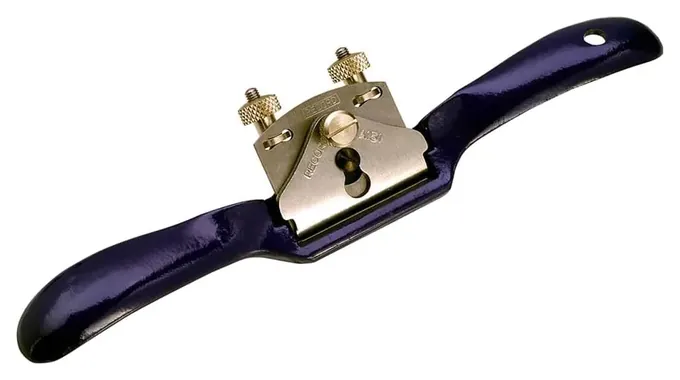
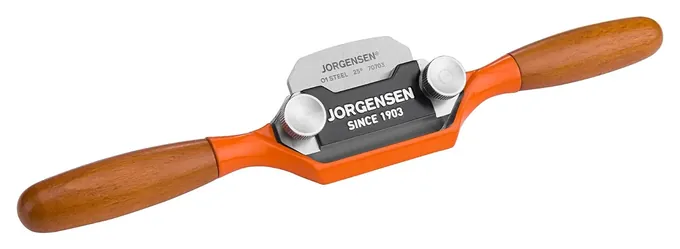
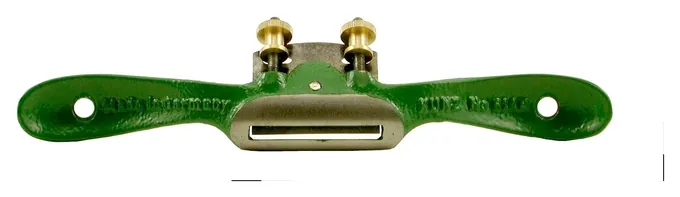
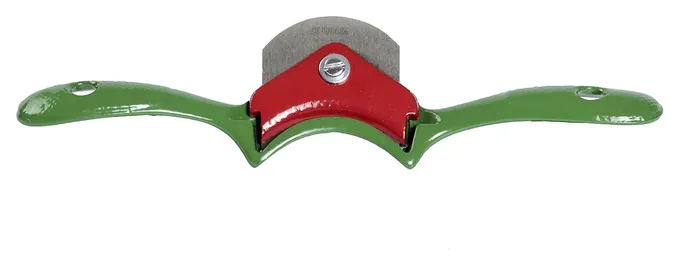
Editor's Notes
October 26, 2026, by Ezvid Wiki Admin:
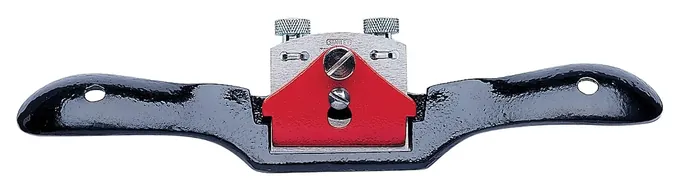
The Stanley 12-951 stays on top. It's the cheapest way into the classic flat-bottom pattern, it carries a lifetime warranty, and it works well once it's tuned. That last part shaped the whole list. Fine Woodworking's tool tests of this pattern found chatter and rough castings until the sole, bed and cap were trued, and woodworking forums tell the same story about most budget shaves. So we favored thick blades, sturdy adjusters and an adjustable mouth, and each pick says plainly where setup work waits.
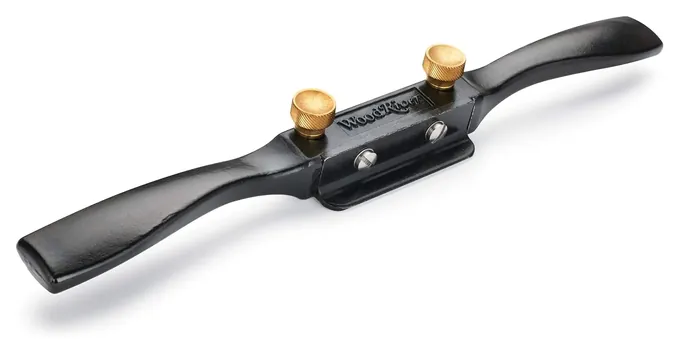
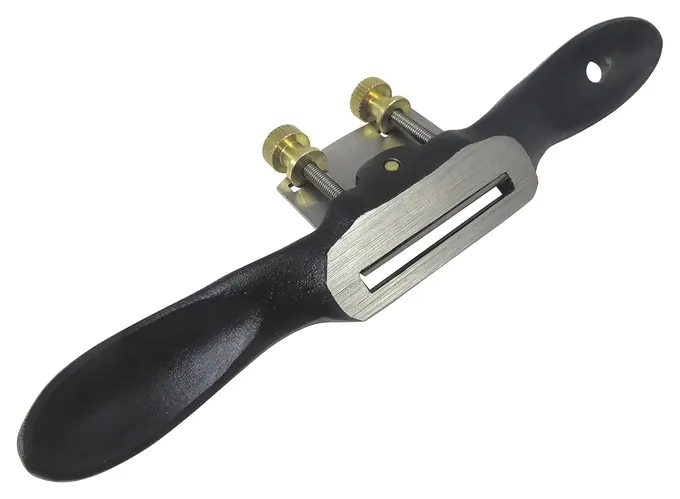
The Kunz No.56 Cooper's is unavailable, the Steelex D3659 is no longer offered, and the Zona 37-320 had no maker documentation behind it. The Robert Larson 580-1000 repeated a pattern three other picks already cover. New to the list are the WoodRiver 150740W, with its adjustable mouth, the Taytools 469560 and the wood-handled Jorgensen No.59F.
The shaves experienced chairmakers reach for, from Veritas and Lie-Nielsen, are sold mainly by their makers and specialty stores, so they appear under Special Honors.
March 11, 2021:
When used correctly a high-quality spokeshave gives greater control and versatility than a regular hand plane, as the angle of the blade, and thus the thickness of the wood shaving, are constantly being adjusted by tilting the wrists during use. They come in a great many styles and sizes, that with enough practice can be used to achieve a wide variety of shapes and finishes, from round lengths for legs or spindles to concave patterns on decorative work, or even for shaping contours on surfboards.
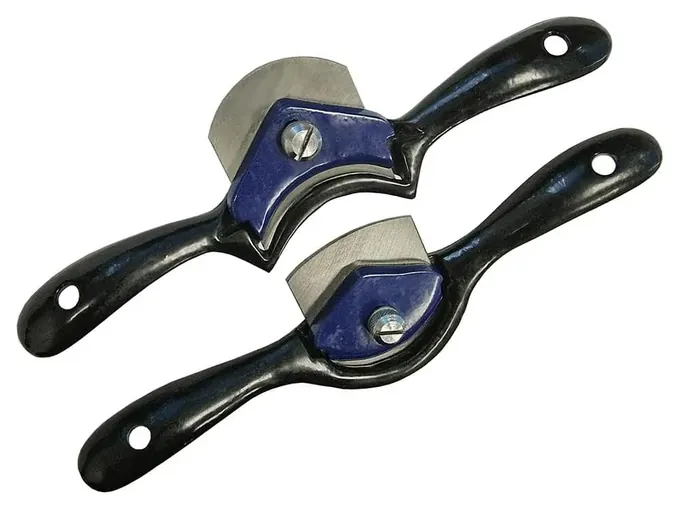
In this latest update, we added several new models to the list with enhanced features and differently shaped soles, suitable for a wide variety of shaving and shaping. The Kunz No.56 Cooper's was added to the ranking as it is one of the longest spokeshaves available at 17 3/4 inches in length. Its long handles provide plenty of purchase, making it ideal for hard materials and large workpieces. The Steelex D3659, similar to the Irwin Record A151, features twin brass adjustment knobs that allow for minute depth changes in the blade, making them a good choice for detailed finishing work. The Kunz Half Round features a concave sole that is designed for shaping round stock such as table or chair legs, while the Faithfull Twin Pack has one convex and one concave tool for a whole range of contoured surfaces. Finally, we added the Zona 37-320, which, at under six inches in length, is perfect for use in confined spaces, and is a popular choice amongst surfers.
August 28, 2019:
Spokeshaves are simple tools with only a few parts, which means that there are many good options for all level of woodworker. The Woodriver 150740W is the best compromise between high quality and price. It is more expensive than the Stanley 12-951 but less expensive than the Pinnacle 151. I prefer the heavier spokeshave for stability but that is a personal preference. The Pinnacle is an excellent tool with a stainless steel body, and a stout blade stop but its price leaves it out of the buying range of most entry-level woodworkers. The Stanley is a solidly built spokeshave for the price but it needs a bit of work out of the box before becoming useful. The blade comes with a coating which will need to be removed on the first sharpening. After the initial prep, it is a reliable workhorse in the shop.
Working with wood releases particles that are harmful if inhaled in large quantities. Avoid this danger by always wearing breathing protection while working.
Special Honors
Lee Valley Veritas Spokeshaves Lee Valley makes the Veritas spokeshaves in Canada, in flat, round and low-angle versions with screw adjusters that set the blade. Christopher Schwarz names the Veritas flat shave as the one he reaches for, and forum woodworkers rate it close to shaves that cost twice as much. leevalley.com
Lie-Nielsen Toolworks Lie-Nielsen has made hand tools in Maine since 1981. Its Boggs spokeshaves, designed with chairmaker Brian Boggs, use a thick A2 steel blade and come in flat and curved versions. They have no adjuster screws, which purists like, and they cost more than most shaves. lie-nielsen.com
Flat, Round Or Half-Round: Picking The Sole
Add a round sole when inside curves start to frustrate you.
The sole decides what a spokeshave can reach. A flat sole is the all-rounder: it smooths straight edges and outside curves, like the outer face of a chair leg or a paddle shaft, and it's the right first shave for most people. A round sole, curved from front to back, can dip into inside curves, such as the hollow of a chair arm or the inner edge of a bow. A half-round or concave shave has a hollow sole and blade, and it's made for one job: rounding rods, spindles and tool handles.
Wood and Shop's buying guide for curved work suggests a flat shave for removing stock and a slightly rounded one for fine finishing, and notes that a flat sole can be rounded on a belt sander if you later need one (Wood and Shop). If you only buy one, buy flat. Add a round sole when inside curves start to frustrate you. The Highland Woodworking spokeshave collection shows the main sole shapes side by side.
Blade angle matters too. Most metal shaves hold the blade bevel down, like the classic 151. Bevel-up and low-angle shaves work well on green wood and end grain, but Christopher Schwarz finds them more prone to tear-out on dry hardwood (Never Sponsored).
Tuning A Budget Spokeshave
Expect to tune any affordable spokeshave. When Fine Woodworking tested the Stanley 151 pattern, it chattered and left a rough finish until the tester trued the casting (Fine Woodworking, No. 151). In the same series, the Kunz 51A needed about half an hour of work, then cut well and earned a best-value nod (Fine Woodworking, Kunz 51A).
The usual steps are short. Flatten the sole on sandpaper stuck to a flat surface, such as glass or a granite tile, until the scratch pattern is even. Check that the blade sits on its bed without rocking, and file any high spots. Make sure the lever cap presses the blade near its edge, since a cap that touches only at the back lets the blade vibrate. Then flatten and polish the back of the blade and hone the bevel to a burr-free edge.
If a shave still chatters, a thicker aftermarket blade is the most common fix. Wood and Shop points readers to chairmaker Brian Boggs's Fine Woodworking article on souping up a spokeshave, and adds that a well-tuned vintage Stanley or Record 151 often beats a new reproduction (Wood and Shop).
Using, Sharpening And Storing It Safely
Hold a spokeshave with both thumbs behind the blade and push it in short strokes, tilting your wrists to change the depth of cut as you go. Cut downhill on the grain. Where the grain reverses, turn the work or pull the shave toward you instead, which Highland Woodworking describes as normal practice (Highland Woodworking). Clamp the work in a vise or on a shaving horse so both hands stay on the tool.
The blade is small, so it's hard to hold for sharpening. Clamp it in a holder or a slotted wood block, hone the bevel at its existing angle, then remove the burr on the back. Some woodworkers on WoodCentral keep two blades, one set for heavy shaping and one honed fine for finishing (WoodCentral).
The edge is exposed on the sole, so set a shave on its side, not on its face, and store it in a pouch or drawer. Wear a mask when you sand the parts you shaped, since fine wood dust is the real health risk in this work. A light coat of paste wax keeps iron soles from rusting and helps them glide.
How we researched this
We compared 17 spokeshaves, from budget flat shaves to cooper's and half-round models, and read the makers' and sellers' specifications for each finalist. We used the two independent tool tests we found (Fine Woodworking, on the 151 pattern and the Kunz 51A), guides from Wood and Shop and Christopher Schwarz, Highland Woodworking's catalog and woodworking forum threads, and we checked every brand against the U.S. Consumer Product Safety Commission's recall database.
Sources (7)
Frequently asked questions
What is a spokeshave used for?
A spokeshave is a small plane with two handles and a short sole, made for shaping curves. Woodworkers use it on chair legs and spindles, wheel spokes, paddles, bows and tool handles.
What's the difference between a flat and a round spokeshave?
A flat sole smooths straight edges and outside curves. A round sole, curved from front to back, can reach into inside curves. A half-round, or concave, shave is for rounding rods and handles.
Who makes the best spokeshave?
Veritas, from Lee Valley, and Lie-Nielsen's Boggs shaves are the ones experienced woodworkers name most. Among affordable shaves, a tuned Stanley or Record 151 pattern works well.
Is the Stanley 151 spokeshave any good?
Yes, once it's tuned. Fine Woodworking found it chattered until the sole and lever cap were trued. After that work, it's a capable shave for its price.
Should you push or pull a spokeshave?
Push it in most cases, with your thumbs behind the blade. Pull it toward you when the grain reverses or when pulling gives you better control on a tight curve.
How do you sharpen a spokeshave blade?
Clamp the short blade in a holder, hone the bevel at its existing angle and remove the burr on the back. A curved blade needs a slip stone or sandpaper wrapped around a dowel.