The 10 Best Sulfate-free Shampoos
Updated by · How we research

Dry, curly, color-treated hair or a touchy scalp? We compare 10 sulfate-free shampoos by formula, size and price, and Pureology Hydrate comes first. When users buy our independently chosen editorial selections, we may earn commissions to help fund the Wiki.
People with dry, curly or color-treated hair and sensitive scalps reach for sulfate-free shampoos most. They swap sodium lauryl and laureth sulfate, the cheap cleansers behind a thick lather, for milder detergents. A dermatologist speaking for the American Academy of Dermatology has said there's no scientific evidence that skipping sulfates makes a shampoo gentler, except for people allergic to them.


Editor's Notes
October 19, 2026, by Ezvid Wiki Admin:
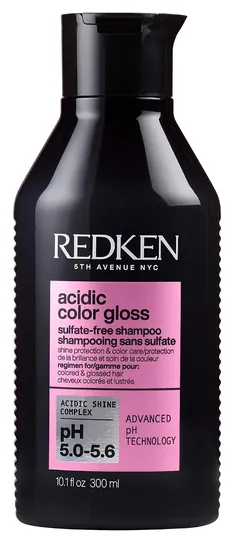
Hair-growth claims and vanished stock cost several old picks their spots. The Kerastase Discipline listing is gone, and the Design Essentials Super Moisturizing has been replaced by a new line with no steady stock. We dropped the Pura D'Or Advanced and Maple Holistics Biotin because their hair-growth claims rest on thin evidence. The Redken Magnetics gave way to Redken's newer Redken Acidic Color Gloss, and the Maui Moisture Thicken & Restore lost its spot because other curl picks cover the same ground.
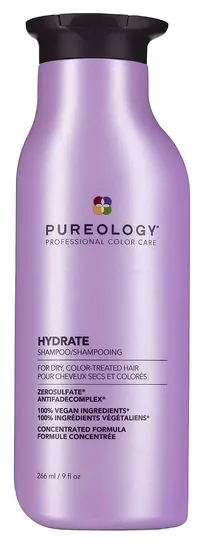
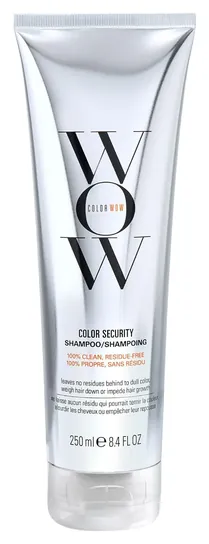
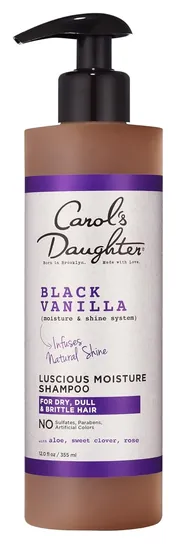
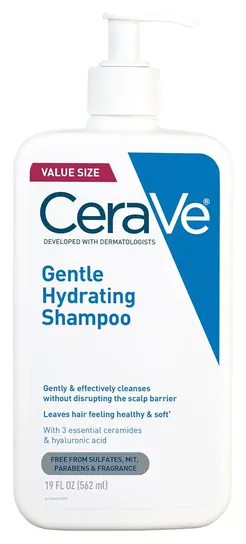
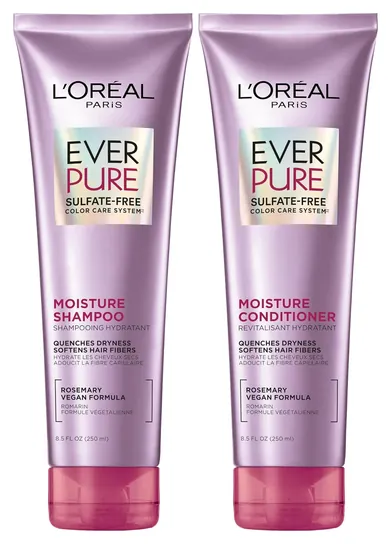
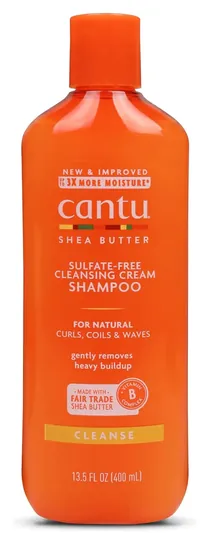
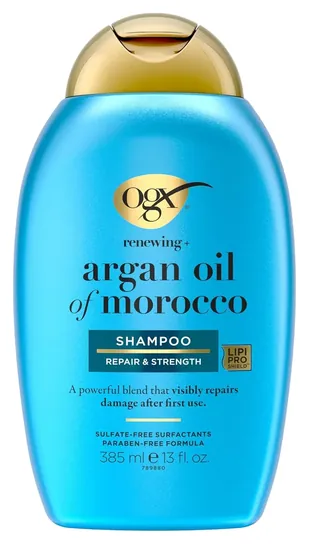
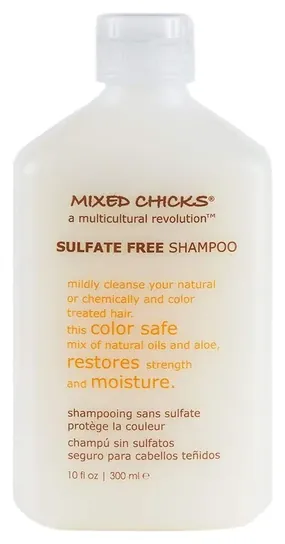
Verb Ghost, Carol's Daughter Black Vanilla, OGX Renewing Argan and Mixed Chicks stay. New picks cover what readers search for most: Pureology Hydrate for dry hair, Color Wow Color Security for dyed hair that hates buildup, CeraVe Gentle Hydrating for touchy scalps, Cantu Cleansing Cream for a tight budget, and an L'Oreal set with a matching conditioner.
One honest caveat. A dermatologist speaking for the American Academy of Dermatology has said there's no scientific evidence that leaving out sulfates makes a shampoo gentler, except for people allergic to them. So we ranked each formula on what it's built for and how owners say it behaves, not on the label alone.
February 13, 2021:
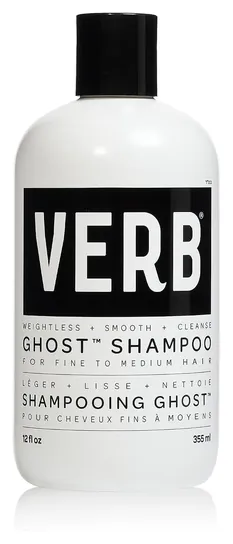
We made a few changes during this update not so much because there was any real issues with some of our previous recommendations, but rather we found one that we feel will appeal to a wider range of people, and one that fills a demand that wasn't covered well enough yet. For example, we removed Living Proof Full Shampoo because it is overly pricey, and in truth, while good, it simply isn't so amazing that it warrants the cost. We also eliminated L'Oreal Paris EverPure because its scent is very strong, and that can be a turn off for some. The new additions taking the place of the removed formulas are Verb Ghost and Design Essentials Super Moisturizing. The former is great because it works well on pretty much every type of hair, so everyone in a household can share it, and it is very gentle too, so you shouldn't have any issue if you use it on a daily basis. The latter works best for those with very tight curls and we felt we didn't yet have enough options represented here for those with this kind of mane.
September 27, 2019:
Everyone's hair and scalp are different, which is why you'll find such a wide range of formulas and ingredient types on this list, although you'll notice that we prioritized natural and sustainable ones. Consumers also have myriad goals when it comes to their tresses, so we included everything from thickening shampoos (Maple Holistics Biotin, Pura D'or Advanced) and color-protecting ones (Redken Magnetics, Mixed Chicks) to solutions that can help restore hair that's been damaged from styling tools like curling wands and flat irons (OGX Renewing). Some shampoos affect people differently, so you might have to try a few before you find something you love.
Every selection on this list is free of sulfates, with many also free of parabens, silicone, salt, petroleum, and synthetic colors and fragrances. Additionally, we sought out products that come from cruelty-free companies that are environmentally responsible.
We removed our previous #10 Aveeno Pure Renewal in favor of Living Proof Full, and due to recent complaints of a changed, watered-down formula with the Baebody Volumizing, we took the opportunity to replace it with Pura D'or Advanced.
Special Honors
National Eczema Association Product Directory The National Eczema Association, a patient nonprofit, runs a Seal of Acceptance program and a searchable directory of products that earned it, with a hair care category. Products in it are reviewed for ingredients known to irritate eczema-prone skin. It's a useful shortlist if fragrance or common shampoo additives make your scalp itch, and it's free to browse. nationaleczema.org
What Sulfates Do, And Who Should Skip Them
People with eczema, rosacea or a known sulfate allergy have the clearest reason to avoid them.
Sulfates such as sodium lauryl sulfate (SLS) and sodium laureth sulfate (SLES) are cheap, strong detergents. They lift oil and dirt and make the thick foam many people expect from a shampoo (Healthline). That strength is also the complaint: they can strip natural oils, which leaves dry, curly or frizzy hair rougher, and they can irritate sensitive skin (Medical News Today). People with eczema, rosacea or a known sulfate allergy have the clearest reason to avoid them.
Sulfates aren't a health danger in shampoo. An expert panel found sodium lauryl sulfate safe in products that rinse off quickly, though it irritates skin with long contact (Wikipedia summary of the Cosmetic Ingredient Review). And the benefits are often oversold. In a release from the American Academy of Dermatology, dermatologist Nicole Rogers said there's no scientific evidence that sulfate-free shampoos are gentler, or that they make color or keratin treatments last longer, apart from helping people allergic to sulfates (Newswise). If your hair is very oily, you use heavy styling products or you're fighting dandruff, a regular shampoo may simply clean better.
Match The Formula To Your Hair And Scalp
Start with your hair, not the label. Dry, curly and coily hair usually does best with creamy formulas that carry butters or oils, like shea butter or aloe blends. Fine hair that goes flat wants a light, clear formula that rinses off without leaving film. Dyed hair can go either way: a color-safe shampoo matters more than the sulfate-free claim itself, which is the advice the dermatologist above gave (Newswise).
For a sensitive or itchy scalp, fragrance is often the bigger problem than the detergent, so look for fragrance-free formulas and products listed by the National Eczema Association. Then read the ingredient list. "Sulfate-free" isn't a defined legal term, and some shampoos swap in close relatives such as sodium C14-16 olefin sulfonate, which is technically not a sulfate but still a strong cleanser. If you react to sulfates, scan for any ingredient ending in "sulfate" or "sulfonate." Crowdsourced databases such as Open Beauty Facts list ingredients for many shampoos, though entries can be out of date. Shampoo is a cosmetic, so the FDA, not a safety agency, oversees it, and since a 2022 law makers must report serious reactions (FDA).
Getting Clean Hair With Less Lather
Expect less foam. Milder detergents don't bubble the way sulfates do, but that doesn't mean they aren't working; sulfate-free shampoos generally clean well (Medical News Today). Wet your hair thoroughly, use a little more product than you're used to, and work it into the scalp with your fingertips, where oil collects. Rinse longer than you think you need to, then put conditioner on the lengths and ends rather than the scalp.
Gentle formulas can let silicones, oils and styling products build up over weeks, which leaves hair limp or coated. A clarifying wash every week or two, or whenever hair feels heavy, clears it. Swimmers and people who use a lot of hairspray may need it more often. If a new shampoo leaves redness, itching, a rash or swelling, stop using it, since those are signs of an allergic reaction (Healthline). If you get it in your eyes, rinse with plenty of water. Testing a small amount behind the ear or on the inner arm first can save a bad week.
How we researched this
We compared 23 sulfate-free shampoos, read the makers' published claims and label details for the finalists, checked crowdsourced ingredient lists on Open Beauty Facts where they existed, read guidance from the American Academy of Dermatology, Healthline and Medical News Today, analyzed owner feedback patterns, and checked FDA cosmetics rules and the CPSC recall database. We found no independent lab tests of these shampoos.
Sources (19)
- Healthline: Sulfates in shampoo
- Medical News Today: Sulfate-free shampoo
- Newswise / American Academy of Dermatology: Dermatologist untangles hair care misconceptions
- American Academy of Dermatology: Hair loss
- Wikipedia: Sodium dodecyl sulfate (Cosmetic Ingredient Review summary)
- FDA: Modernization of Cosmetics Regulation Act of 2022
- National Eczema Association: Eczema-friendly product directory
- Open Beauty Facts
- CPSC SaferProducts.gov
- Pureology
- Color Wow
- Verb
- Carol's Daughter
- CeraVe
- L'Oreal Paris
- Cantu
- OGX
- Redken
- Mixed Chicks
Frequently asked questions
What is a sulfate-free shampoo?
It's a shampoo made without sulfate detergents such as sodium lauryl sulfate and sodium laureth sulfate. It cleans with milder surfactants, so it usually foams less.
Are sulfate-free shampoos better for your hair?
For dry, curly or frizzy hair and for sensitive or allergic scalps, they can be. For everyone else the evidence is thin: a dermatologist speaking for the American Academy of Dermatology said there's no proof they're gentler in general.
Do sulfate-free shampoos make hair color last longer?
Possibly, but it isn't proven. A shampoo made for color-treated hair, cooler water and fewer washes probably matter as much as the sulfate-free label.
Do sulfate-free shampoos clean as well?
Generally yes, with less lather. If you use heavy styling products or have very oily hair, add a clarifying wash now and then, or stick with a regular shampoo.
Is there a shampoo that's both sulfate-free and alcohol-free?
Yes. Cantu Cleansing Cream states it has no sulfates and no alcohol. Note that fatty alcohols such as cetyl alcohol are conditioners, not the drying kind, so check which one a label lists.
Can a sulfate-free shampoo help thinning hair?
No shampoo here claims to regrow hair, and we left out biotin growth shampoos because the evidence is thin. A gentle shampoo may reduce breakage, but for real thinning or shedding, see a dermatologist (American Academy of Dermatology).