The 9 Best Timberjacks
Updated by · How we research

Nine timberjacks and log lifters compared by handle material, log size, weight and warranty. The light aluminum Woodchuck Timberjack is our top pick. When users buy our independently chosen editorial picks, we may earn commissions to help fund the Wiki.
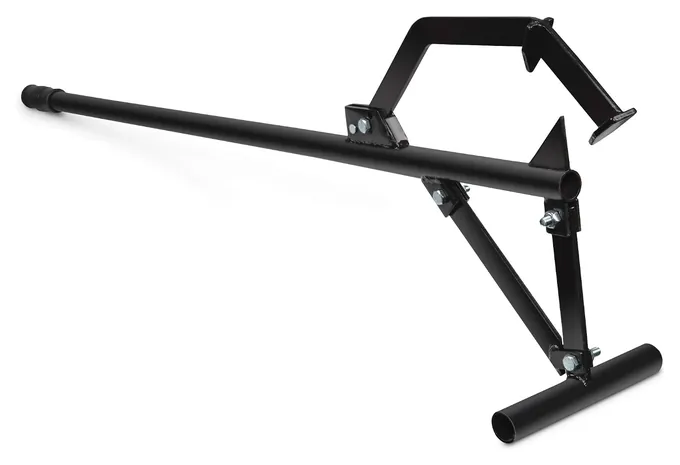
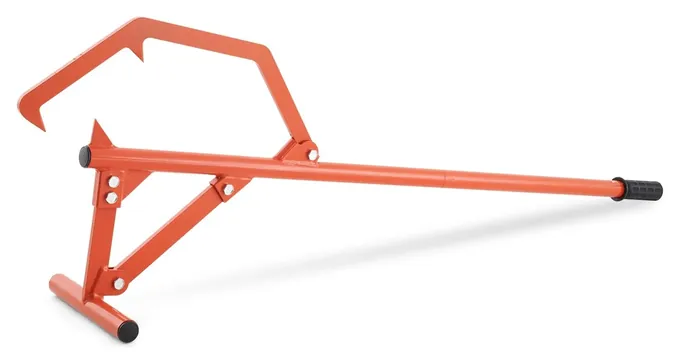
A timberjack keeps your chainsaw out of the dirt. Hook a log, lever the handle down, and the log rises several inches, so the chain finishes the cut without hitting soil or getting pinched. It works on logs from about wrist-thick to roughly 20 inches across. This list is for homeowners cutting firewood and cleaning up after storms.


Editor's Notes
October 27, 2026, by Ezvid Wiki Editors:
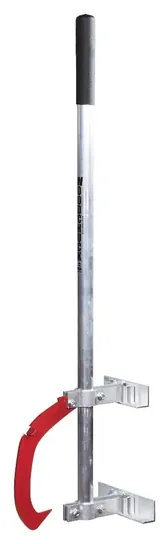
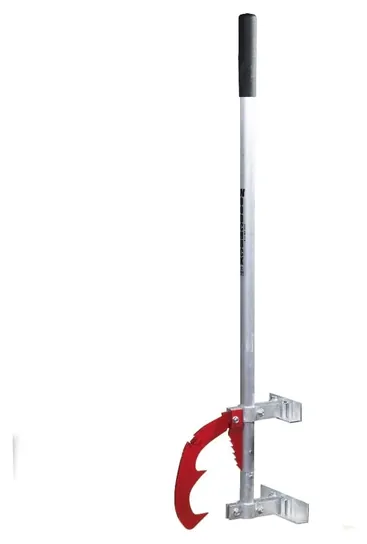
The aluminum Woodchuck Timberjack keeps the top spot. It's light enough to carry all afternoon, grips logs up to roughly 20 inches, and it's backed for life, which is rare in this category. The biggest change is everything around it.
The 1940 Earth Worth and the Arksen Deluxe can't be bought anymore, and the old Woodchuck Dual listing now sells a different kit. We cut the Timber Tuff Fiberglass after a steady run of reports about bent hooks, and the Timber Tuff Wood because it's nearly sold out and close to the Ironton Wooden Handle. The Roughneck Double went too, since the single-hook Roughneck Steel Core does the job for less.
New here: the Woodchuck DualPro for big trunks, the Woodchuck TimberPro, the Right Hand Timberjack and the VEVOR BY-026 for tighter budgets, and the wheeled Timber Tuff TMB-75ATJ. The evidence was makers' specs, a firewood blogger's long-term notes on the LogOX and on a steel handle that bent, and woodcutters' forum threads about which lifters survive real bucking.
Earlier notes
November 11, 2020, by Alexander Rennie:
We removed the Timber Tuff Steel due to reports of its tubular steel handle bending under load. It appears to be reasonably effective on smaller timber, but lacks the strength we’re looking for in this category. We replaced it with the 1940 Earth Worth, a budget-friendly model that boasts a thick, heavy-duty wooden handle.
Chances are good that if you’re looking for a timberjack, you’ve already got yourself a chainsaw. But, if you’re still using a gas-powered model, you might want to consider this selection of electric chainsaws. They eliminate the need for messy oil and gas mixtures, and most feature push-button starts, as opposed to frustrating pull-starts. If you're looking for an exclusively battery-powered tool, these cordless chainsaws don't limit you with extension cords, though they do have a limited runtime.
Regardless of what type of chainsaw you have, you’ll need to ensure it’s properly maintained. This collection of chainsaw sharpeners offers a good variety of handheld and bench-mounted models.
October 27, 2018, by Taber Koeghan:
Included several convertible options for individuals who are involved in more than one aspect of log processing. Excluded models that were reported to be unsteady or otherwise unreliable during sawing.
Special Honors
Garrett Wade Timberjack Log Lifter Garrett Wade, the catalog tool seller, offers a wood-handled timberjack with steel fittings. The seller says it raises logs about 14 inches off the ground and takes logs up to about 14 1/2 inches across, a fair match for someone who prefers a traditional tool and buys from specialty shops. garrettwade.com
Timberjack, Cant Hook Or Peavey
Logs thinner than about 4 inches are quicker to cut on a sawbuck, and big trunks past 20 inches are a job for a cant hook and wedges.
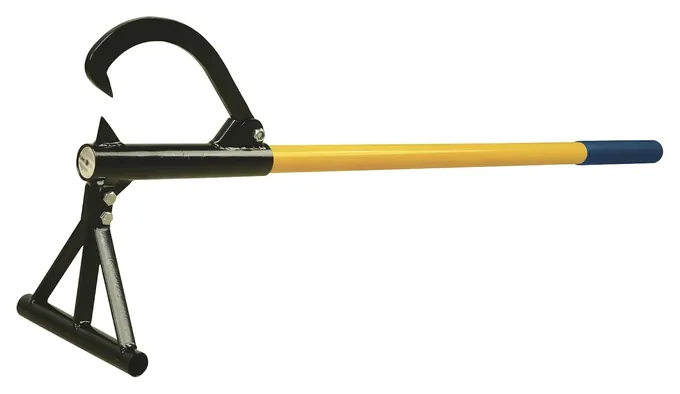
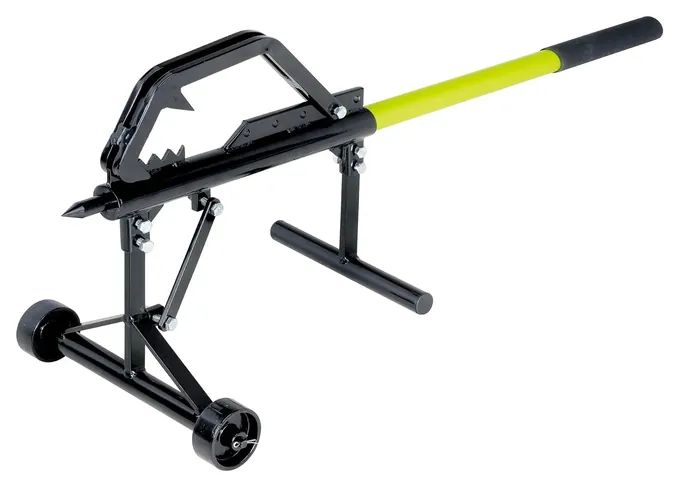
All three are levers with a swinging hook, and the names get mixed up. A cant hook has a blunt tip and is for rolling logs. A peavey is the same tool with a spike on the end, which helps it bite into bark and pry logs apart (Wood-Mizer). A timberjack adds a foot or stand under the hook, so when you lever the handle down, the log rises off the ground instead of rolling.
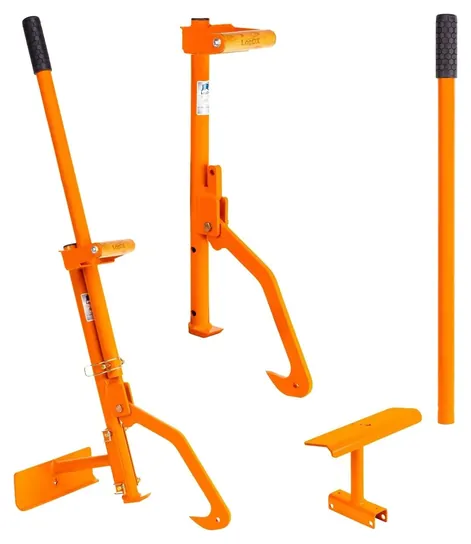
Most timberjacks on this list do both jobs: take the stand off and you have a cant hook. Some go further. The Woodchuck DualPro lifts logs up to about 20 inches across and rolls trunks up to 30 inches with the jack removed. The LogOX kit adds a short hauler for dragging rounds.
A timberjack only lifts a log 6 to 14 inches, which is enough to keep the chain out of the dirt but not a sawbuck. Logs thinner than about 4 inches are quicker to cut on a sawbuck, and big trunks past 20 inches are a job for a cant hook and wedges.
Aluminum, Steel, Fiberglass Or Wood
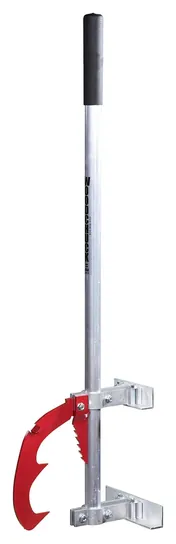
Handle material decides weight and how the tool fails. Aluminum lifters like the Woodchuck models weigh about 10 pounds, which matters when you carry one into the woods all afternoon. An owner on r/firewood who usually cuts alone singled out its sturdy aluminum build.
Steel and fiberglass lifters weigh 15 to 23 pounds. Cheap steel handles can bend: Firewood for Life bent a steel-handled Timber Tuff on a red pine log that was inside its rated size. A steel rod inside a fiberglass handle, as on the Roughneck Steel Core, is one fix; thick-walled steel tube is another.
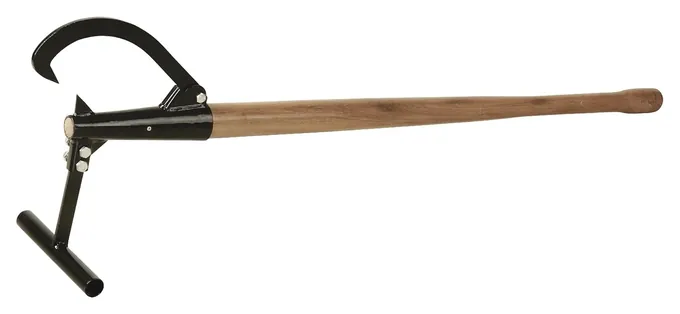
Wood handles feel warm in cold hands, but they need dry storage and can split. Check the rated log size too. Quality makers rate their hooks for 12 to 20 inches; import listings that promise 25 inches are best read as marketing. Warranty is a real tell: Woodchuck and LogOX offer lifetime coverage, while most others give one year or say nothing.
Using A Timberjack Safely
A timberjack keeps the bar nose off the ground and stops the cut from closing on the chain, but it does not prevent kickback. Kickback happens when the upper tip of the bar touches wood or the chain gets pinched, and the saw snaps back toward you (CCOHS). Texas A&M AgriLife recommends a working chain brake, a low-kickback chain and full protective gear (Texas A&M chainsaw safety).
Set the hook on the uphill side of the log and stand uphill yourself, so a log that slips rolls away from you. Keep your feet out of the hook's swing, cut one log at a time, and don't stand on the handle to hold a heavy log up. Wear chaps, boots, eye and hearing protection.
After the cut, use the toe lift or tip the handle back to free the hook. Wipe the tool dry, touch up chipped paint on steel parts, and don't use the handle as a cheater bar for prying stumps.
How we researched this
We compared 17 timberjacks and log lifters, read makers' and retailers' specifications for the 9 finalists, read long-term reviews on a firewood blog and threads on Reddit and ArboristSite from people who cut their own wood, and checked every brand against the U.S. Consumer Product Safety Commission recall database. We found no lab or magazine test of timberjacks.
Sources (8)
- Wood-Mizer: how to choose a cant hook vs. peavey
- Firewood for Life: LogOX review
- Firewood for Life: Timber Tuff timberjack review
- CCOHS: chainsaw kickback
- Texas A&M AgriLife: chainsaw safety
- r/firewood: Timber jack / log lifter
- ArboristSite: favorite timber jack log lifter
- CPSC SaferProducts.gov recall search
Frequently asked questions
What is a timberjack?
It's a long lever with a hook and a short stand. You hook a log lying on the ground, push the handle down, and the log rises several inches so a chainsaw can cut through without hitting dirt. Without the stand, most work as a cant hook for rolling logs.
How big a log can a timberjack lift?
The better ones are rated for logs about 5 to 20 inches across and raise them 6 to 14 inches. Logs under about 4 inches are easier to cut on a sawbuck, and bigger trunks are better rolled with a cant hook.
What's the difference between a timberjack, a cant hook and a peavey?
A cant hook rolls logs with a blunt tip. A peavey has a spike tip that bites into bark. A timberjack adds a stand so the same lever lifts the log instead of rolling it.
Will a cheap timberjack bend?
It can. Thin steel handles and soft hooks are the usual failure, even on logs inside the rated size. A steel-core fiberglass handle, thick steel tube or aluminum built by a maker that offers a lifetime warranty is safer.
Does a timberjack make chainsawing safer?
It keeps the bar out of the dirt and stops the log from pinching the chain, but kickback can still happen. Keep using a chain brake, a low-kickback chain, chaps, boots and eye and hearing protection.
Is a timberjack worth it, or is it a gimmick?
For bucking more than a few logs, it saves chains and a lot of stooping. For a single small tree, a spare log slipped under the trunk can do the same job.