The 8 Best Tree Wraps
Updated by · How we research

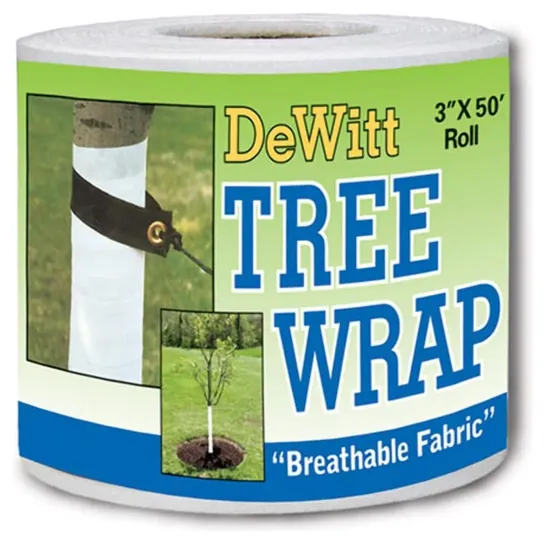
Paper, fabric, spiral and mesh tree wraps compared for sunscald, mowers, rabbits and deer rub. The DeWitt TW3W, a white breathable roll, leads eight picks. When users buy our independently chosen editorial choices, we may earn commissions to help fund the Wiki.
Winter sunscald, not cold alone, is what splits young bark: low afternoon sun thaws the south side of the trunk, then a hard freeze kills the thawed tissue. A pale wrap or guard from late fall to spring is the standard defense. This page is for anyone who planted a maple, fruit tree or other thin-barked sapling in recent years.


Editor's Notes
November 1, 2026, by Ezvid Wiki Admin:
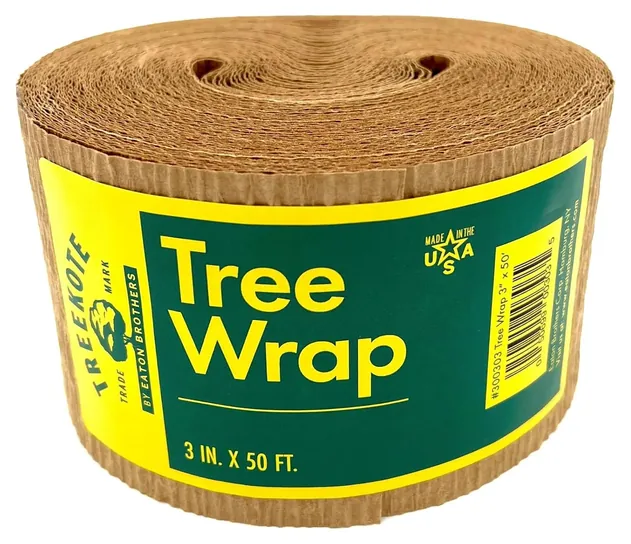
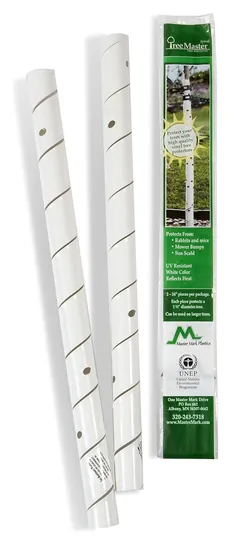
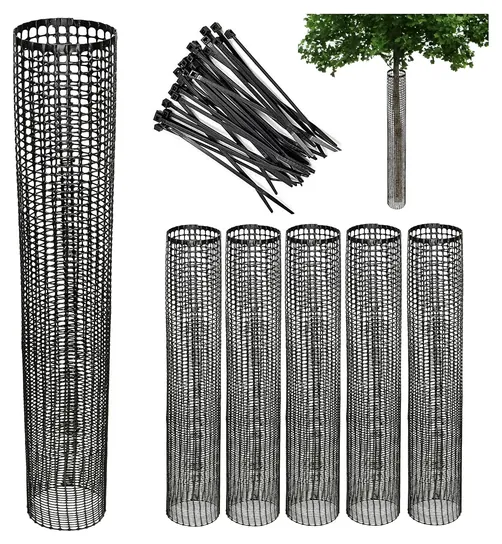
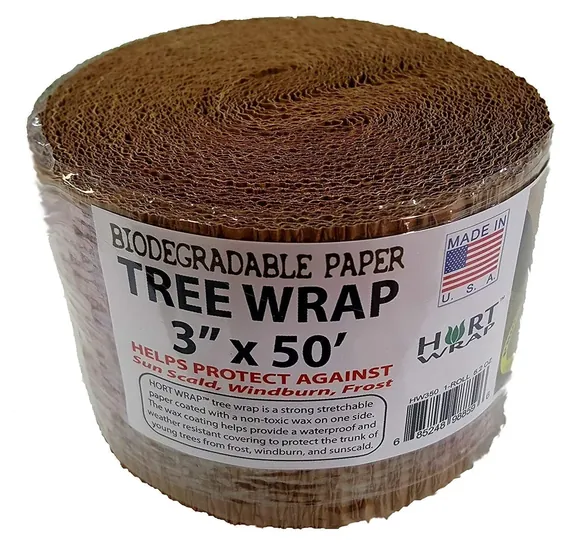
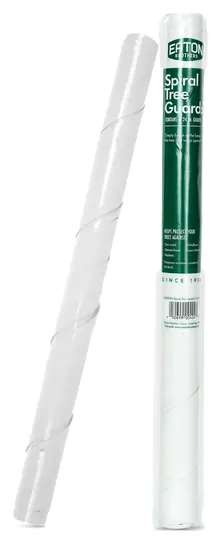
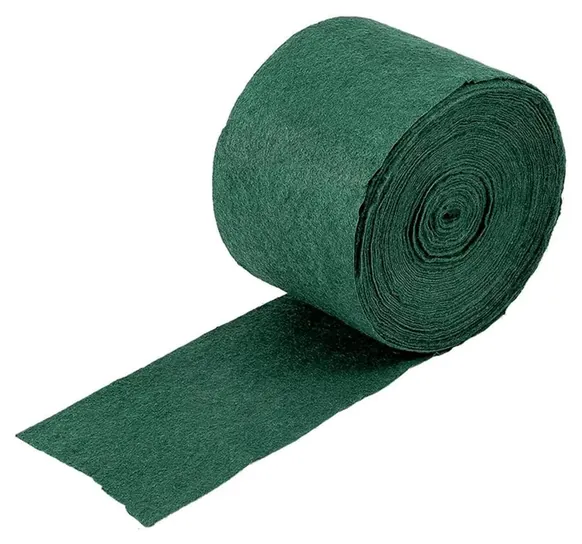
The DeWitt TW3W moves to the top. It's white, it breathes and it costs little, and university extension services now favor white wraps over brown paper for sunscald. The Treekote Crepe Paper, the roll that used to carry the Walter E. Clark name, stays, along with the Hort HW350 and the Eaton Brothers 424 spirals. New picks cover the other ways bark gets hurt: the Dimex EasyFlex 1131-6C for trimmers, the Master Mark 62524-5 for rabbits and voles, the Voglund Mesh Guard for deer rub and the Anphsin Non-Woven Roll for wider trunks.
We dropped the Dalen Gardeneer because its wrap tends to fall apart within weeks, and the A.M. Leonard 04BW, which is now a burlap roll. Burlap works as a windbreak, not a trunk wrap. The A.M. Leonard Vinyl Spiral, Rovello Protector and Gardener's Blue Ribbon are no longer available.
We couldn't find a single lab comparison of tree wraps, so this list leans on extension advice from four land-grant universities, makers' instructions on fit and removal, and what owners report after a winter or two.
July 02, 2020:
Removed the Fulstarshop Bandage and Jobe’s Professional because of availability issues. Added A.M. Leonard 04BW and the Rovello Protector.
The primary reason for tree wraps is protection from sun scald. Sun scald is when bark on a tree is damaged by its freezing after being reactivated from dormancy. This often happens during winter when temperatures decrease, causing the tree's cells to become dormant. On a sunny winter day, the heat may reanimate some of the cells. Then once the temperatures drop again at night, the animated cells freeze and die. This can be severe enough to kill the tree. Saplings and thin-barked trees like aspens, soft maples, poplars, sycamores, and many fruit trees are most susceptible to sun scald and therefore require protection.
Tree wraps like the Walter E Clark 50-Foot can protect your trees by reflecting light away. They keep them dormant and therefore reduce the likelihood that they'll be killed by the cold. To wrap, simply start at the base of the tree, and wrap the paper around the trunk in a spiral while overlapping about half of the width of the paper. This overlapping also helps by making water and snow roll off. Then, once you reach the bottom of the main bundle of branches, you can tape up the wrap securely (don't use tape on the bark itself). Dewitt TW3W serves the same purpose but its white color is even better at reflecting light. It is also flexible enough to be tied off, so no tape is required.
Wrap Or Guard: Match It To The Damage
Two different problems hurt young trunks, and they need different fixes.
Two different problems hurt young trunks, and they need different fixes. Sunscald and frost cracks hit thin-barked trees such as maple, linden, honey locust and fruit trees on the south and southwest side, where winter sun warms the bark before a freezing night (Colorado State University PlantTalk). A paper or fabric wrap shades that bark. University of Minnesota Extension advises white wraps or guards, since brown paper and black plastic absorb heat.
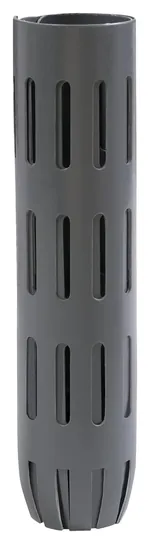
Mowers, string trimmers, rabbits and voles are a physical threat, so a rigid coil, spiral or mesh guard works better than a soft wrap. For rabbits and mice, the same Minnesota guidance prefers a cylinder of quarter-inch hardware cloth set a few inches off the trunk, buried 2 to 3 inches, and reaching 18 to 24 inches above the usual snow line. Deer are harder: a guard stops antler rubbing on the trunk, but keeping deer from browsing takes a fence about 8 feet tall.
How To Put A Wrap On
Start at the base of the trunk and wind upward, overlapping each turn by about a third, and stop just below the lowest branch, per Colorado State University and Bob Vila. Pull paper or fabric snug but not tight, and finish by taping the end to the wrap itself or tying it with twine. Never staple or nail into the bark, because every hole is a way in for insects and disease.
Spiral guards go on the same way, from the ground up, and they should sit a little loose so the trunk can grow. Mesh tubes and coils open, wrap around the trunk and close with ties or tabs. Clear mulch and grass from the bottom so voles can't tunnel under the guard. Wound paint and sealers don't keep animals off, so skip them.
When To Wrap, And When To Take It Off
Put wraps on in late October or November, after the leaves drop, and take them off in April (University of Illinois Extension). A wrap left on all year holds moisture against the bark, gives boring insects a place to hide, and can cut into a growing trunk (Iowa State University Extension). Minnesota's guidance is to protect new trees for at least two winters, and thin-barked species for five or more, until the bark thickens and roughens.
Plastic spirals and coils can stay on longer, but they still need a look each spring and fall. Master Mark and Eaton Brothers both tell buyers to remove or loosen their spirals as the trunk grows, to avoid girdling. Paper wraps are single-season: plan on a fresh roll each fall. Mature trees with thick, rough bark don't need wrapping at all.
How we researched this
We compared 15 tree wraps and trunk guards, read the makers' instructions and spec labels for the eight finalists, studied winter tree-care guidance from the University of Minnesota, University of Illinois, Iowa State University and Colorado State University, analyzed owner feedback across several winters, and checked every brand for recalls with the U.S. Consumer Product Safety Commission.
Sources (6)
- University of Minnesota Extension: protecting trees and shrubs in winter
- Colorado State University PlantTalk: sunscald of trees
- University of Illinois Extension: protect trees from winter's wrath
- Iowa State University Extension: should I wrap the trunks of newly planted trees
- Bob Vila: how to wrap a tree
- CPSC recalls
Frequently asked questions
When should I take a tree wrap off?
In April, once the threat of hard freezes has passed. A wrap left on through summer traps moisture, shelters insects and can cut into the trunk as it grows. Put a new one on the next fall.
Does burlap work as a tree wrap?
Not well. Burlap is a good windbreak or screen around shrubs and evergreens, but as a trunk wrap it holds moisture and doesn't reflect sun. Use white fabric, crepe paper or a plastic guard on the trunk.
Do tree wraps stop deer?
Only partly. A tall mesh guard keeps bucks from rubbing their antlers on the trunk, but it won't stop deer from eating branches. That takes a fence about 8 feet tall.
Is paper or plastic better?
Paper and fabric wraps shade bark against winter sunscald and come off each spring. Plastic spirals, coils and mesh stop mowers, trimmers and rodents and can be reused. Many people use a fabric wrap above a short plastic guard at the base.
Do mature trees need wrapping?
No. Wraps are for young trees and thin-barked species, usually for the first two to five winters. Once the bark is thick and rough, it protects itself.
How do I attach a tree wrap?
Wind it from the bottom up, overlapping each turn by about a third, and stop below the lowest branch. Tape the end to the wrap itself or tie it with twine. Don't staple or nail into the bark.