The 9 Best Wire Stretchers
Updated by · How we research

Stretcher-splicers, fence fixers, a woven-wire bar and a Gripple tensioner compared for barbed, high-tensile and field fence. The Dutton-Lainson 400 leads. When users buy our independently chosen editorial selections, we may earn commissions to help fund the Wiki.
Barbed wire and woven field fence call for different tools. A ratchet stretcher-splicer or a bar-and-chain fixer pulls one strand, while woven mesh needs a bar that grips its full height plus a come-along. Pull too hard and wire snaps or a brace post tips, so aim for firm, not drum-tight. This guide is for farmers, ranchers and rural homeowners.


Editor's Notes
October 23, 2026, by Ezvid Wiki Editors:
The Dutton-Lainson 400 keeps the top spot. It's still made in the U.S., spare springs are easy to get, and nothing newer splices a broken strand any better. Most of the old list had to go: the Maasdam Pow'r Pull, RanchEx 102573 and Wire Tight Crimping Tool are no longer sold, and the Ranchmate PWS and AgKNX Fence come with almost no information from their sellers.
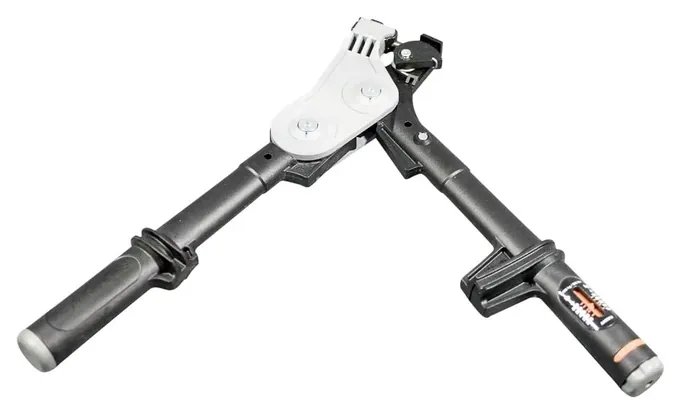
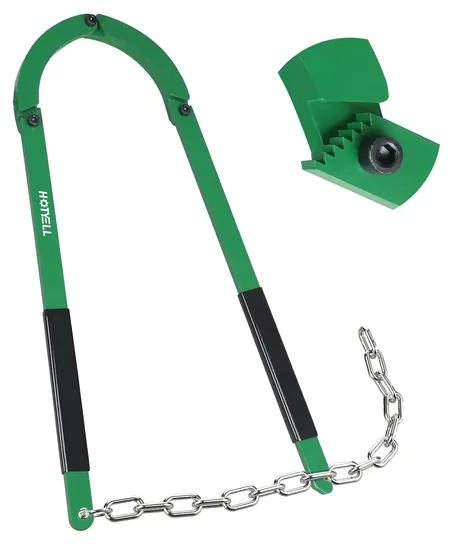
The Texas Fence Fixer, Gripple Torq, Dutton-Lainson 415 Hired Hand and Fi-Shock A-53 stay. New picks fill the gaps readers ask about: the Dutton-Lainson 405 for high-tensile wire, the AOPEC Stretcher Bar for woven field fence, the HOTYELL Fence Wire Fixer as a cheaper fixer, and the American Power Pull PP7008 grip for come-along work.
The evidence here is Dutton-Lainson's model and parts chart, Gripple's Torq specifications, fence guides from Red Brand and Bekaert, and a recall search. That search turned up a 2016 SpeeCo stretcher recall for wire that could slip loose and whip back, which is why we favor tools that hold wire positively and release it under control.
Earlier notes
November 18, 2020, by Willis Kuelthau:
We've updated and expanded our list to include a range of wire stretchers for different styles and needs. We removed older models that are no longer available, as well as clamps and hooks that don't include a stretching mechanism. Some workers prefer to make splices on a loose wire and add tension afterward, which is easy to do with models like the Wire Tight Crimping Tool. For splicing in the middle of a line, look for a model with multiple clamps, like the reliable Dutton-Lainson 400 or The Original Texas Fence Fixer. Most of these tools are built specifically for stretching wire, but the Maasdam Pow'R Pull and RanchEx 102573 can work for a variety of pulling and winching tasks. Of course, these tools only work if you have a post to secure the wire to — if you're starting from scratch, you'll need a post hole digger as well.
December 10, 2018, by Melissa Harr:
Selected the Dutton-Lainson model as a top choice, even though it has occasional issues with paint; for the cost, it's hard to beat its overall durability and usefulness. Also investigated top choices from popular manufacturers Maasdam and RanchEx, adding the Pow'R Pull for heavy-duty scenarios and the Standard Duty for lighter use.
Special Honors
Bekaert Fencing Bekaert, a large fence wire maker, sells woven-wire stretcher bar kits through farm dealers, with come-along chains, wedges and a hammer, and posts free videos on setting up and removing the bars. It's a good place to start before tensioning a long run of field fence. fencing.bekaert.com
Which Kind Of Wire Stretcher Fits Your Fence
If your fence or trellis uses Gripple joiners, the tensioner made for them is the better fit.
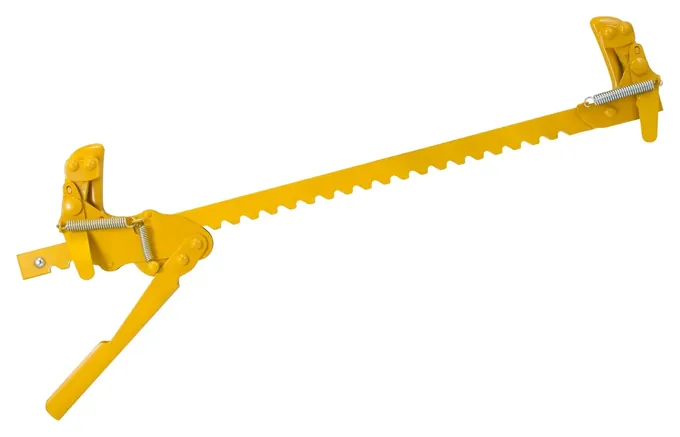
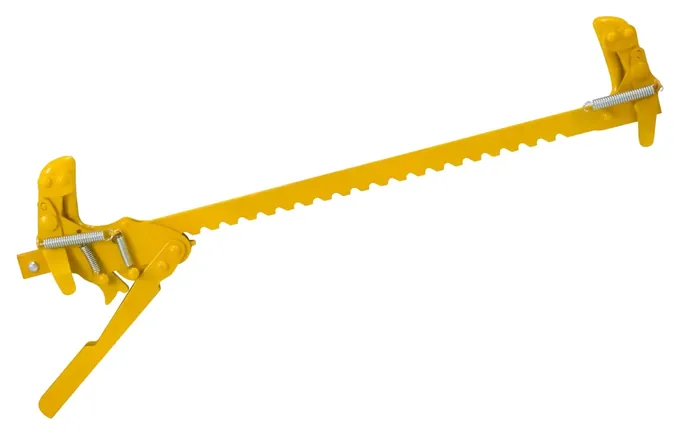
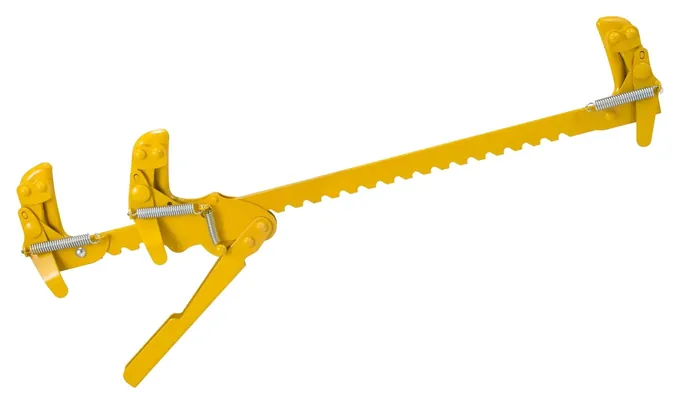
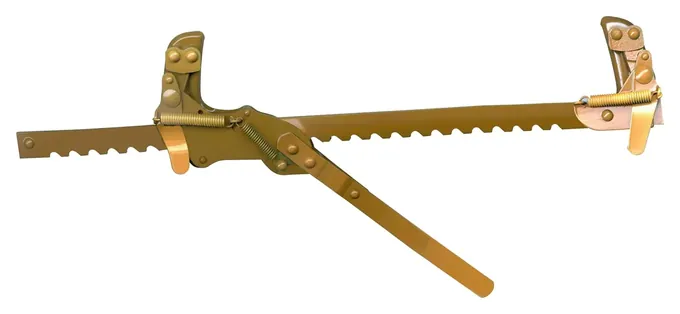
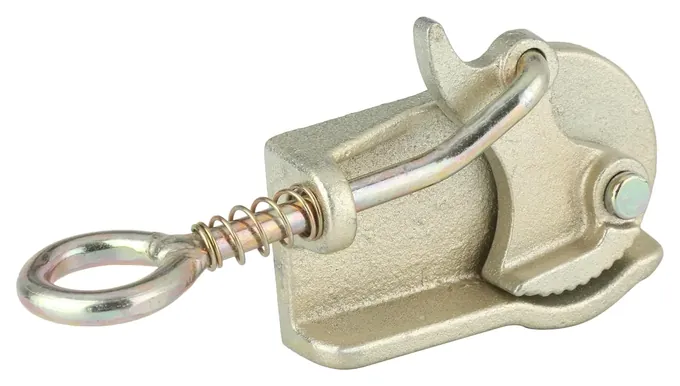
Start with the fence, not the tool. Most repairs on barbed, smooth or high-tensile strands call for a ratchet stretcher-splicer. One hook grabs the broken end, a second rides a toothed bar and ratchets the other end in, and the tool holds both while you tie the splice. Dutton-Lainson sells three versions: a standard model, one with a controlled-release ratchet that lets wire back off slowly, and one with a third hook for longer pulls without resetting (Dutton-Lainson). Zareba rates its Fi-Shock version for smooth, barbed and high-tensile wire (Zareba).
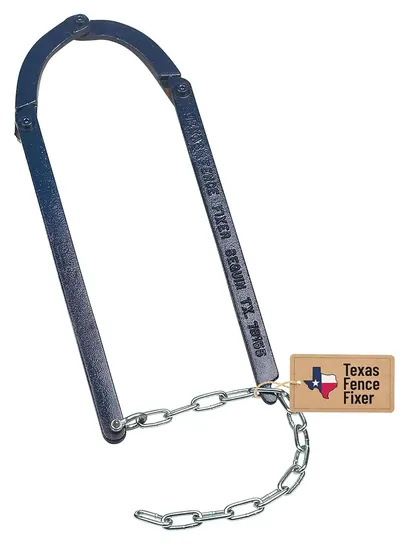
A bar-and-chain fence fixer is a different idea. It tightens a sagging strand in place by bending a loop into it, so there's no cutting and no pulling staples (Texas Fence Fixer). It's quick for one person but fixes one short stretch at a time.
If your fence or trellis uses Gripple joiners, the tensioner made for them is the better fit. Gripple's Torq has a 6:1 gear drive and a gauge that reads from 220 to 660 pounds, and it works on joiners for wire up to 6 millimeters (Gripple). For long new runs, most builders tension from the end brace with a come-along and a wire grip, and use a stretcher-splicer for repairs.
Stretching Woven Field Fence
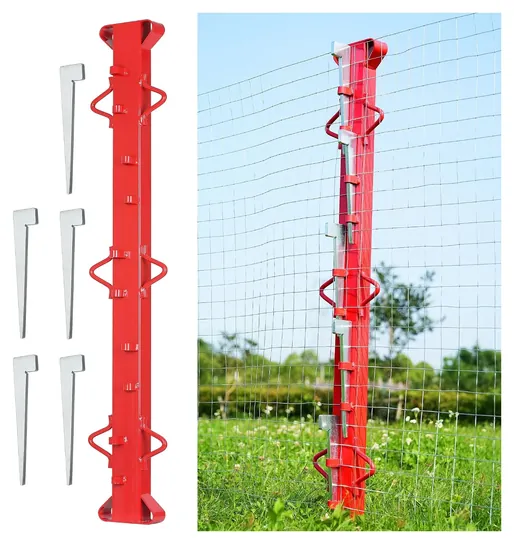
A single-strand tool won't tighten woven wire, because the mesh has to come up evenly across its full height. The usual kit is a stretcher bar clamped to every horizontal wire, a come-along or other puller, wire cutters and a solid anchor. Red Brand, a fence wire maker, suggests setting a temporary brace post at the end of the line to pull against, and warns that tensioning with a tractor almost always overstretches the fence (Red Brand).
Wedge-style bars hold the line wires with steel wedges driven in by hammer; Bekaert shows how to attach and remove them (Bekaert). Match the bar to your fence height: a bar a little taller than the mesh grips every wire, while a short bar leaves the top or bottom loose. Once the fence is tight, fasten it to the line posts, then wrap and tie the end around the end post before releasing the puller.
Safety: Wire Under Tension Bites Back
Stretched wire stores energy. If a grip slips or a splice lets go, the loose end can whip back toward you. In 2016 the Consumer Product Safety Commission announced a recall of about 60,000 SpeeCo fence wire stretchers because wire could release from the tool and recoil, causing cuts to users (CPSC). None of the brands on this list has a recall on record.
Wear leather gloves and eye protection, and keep your face and body out of line with the wire while you pull. Clamp both sides before cutting a tight strand. Turn off the charger before touching an electric fence. Don't pull against a cracked post or a loose brace, since the brace takes the load and can tip or snap. Firm is enough: a strand pulled bar-tight is more likely to break in cold weather or when livestock lean on it. A tensioner with a gauge, such as Gripple's, takes the guesswork out on high-tensile lines.
How we researched this
We compared 20 wire stretchers, wire grips and stretcher bars. We read Dutton-Lainson's model and parts chart, Gripple's Torq specifications and the makers' pages for Texas Fence Fixer and Zareba, used Red Brand's and Bekaert's field-fence guides, weighed owner feedback patterns, and checked every brand against Consumer Product Safety Commission recalls. We found no independent lab tests of wire stretchers.
Sources (8)
Frequently asked questions
What are the types of barbed wire stretchers?
There are four common kinds: ratchet stretcher-splicers that hold both ends of a broken strand, bar-and-chain fence fixers that tighten a sagging strand in place, gear-driven tensioners for Gripple joiners, and simple wire grips used with a come-along. Woven fence needs a separate full-height stretcher bar.
How do you splice barbed wire with a stretcher?
Hook the tool to one broken end, hook the second hook to the other end, and ratchet them together until they overlap. Tie the splice by wrapping each end around the other wire, then release the tool slowly and staple the strand back to the posts.
Can I use a barbed wire stretcher on woven wire?
Only for a single broken line wire. To tighten a whole woven fence you need a stretcher bar that grips every horizontal wire, pulled by a come-along from a braced post.
How tight should barbed wire be?
Firm, with no visible sag between posts, but not bar-tight. Wire pulled too hard can snap in cold weather or pull the corner brace over. High-tensile systems often use a gauge or tension indicator to hit the maker's figure.
Is a chain link fence stretcher the same thing?
No. Chain link stretcher bars are made to fit chain link fabric and its terminal posts. Some woven-wire bars claim to fit both, but check the fence type and height before buying.