The 10 Best Wireless Doorbells
Updated by · How we research

No new wiring needed: ten wireless video doorbells and chime kits compared on battery life, storage, fees and indoor chimes. The eufy Video Doorbell E340 leads. When users buy our independently chosen editorial selections, we may earn commissions to help fund the Wiki.
Not every battery video doorbell rings inside the house: many need a separate chime, a hub or a smart speaker. Basic kits pair a battery button with a plug-in chime over radio, while video doorbells add a camera, microphone and speaker and alert your phone over Wi-Fi. People use them to greet visitors and watch for packages.


Editor's Notes
October 19, 2026, by Ezvid Wiki Admin:
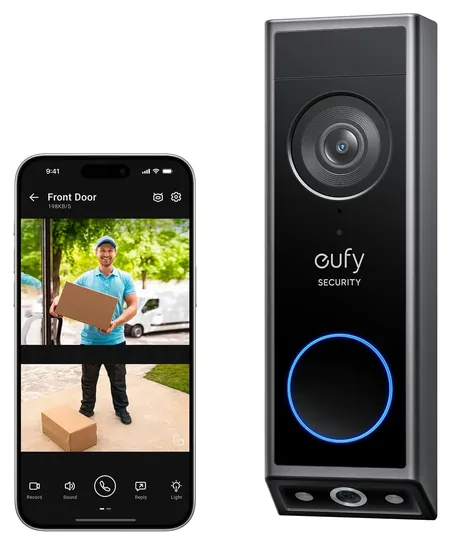
With package watching and no monthly fee to keep video, the eufy Video Doorbell E340 earns first place. Video doorbells now lead the list, since most readers arrive looking for one with a camera, and the doorbell market had moved on since the 2020 version. The Zumimall, the Qniglo Solar, the Remo+ RemoBell S, the Coolqiya kit and the SadoTech CXR are gone or unavailable. The Honeywell Series 9 no longer has a listed price, and the Ring 3 Plus has been replaced by newer Ring models. The SkyBell is gone too. We also dropped the EufyCam 2C, which was a security camera kit, not a doorbell.
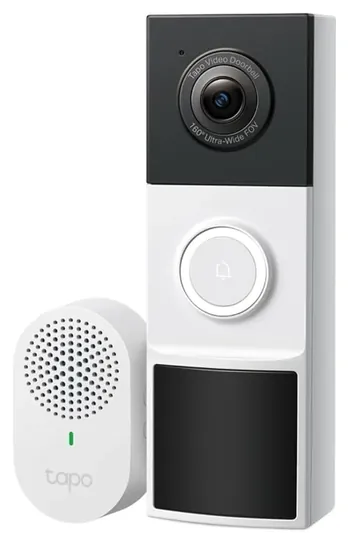
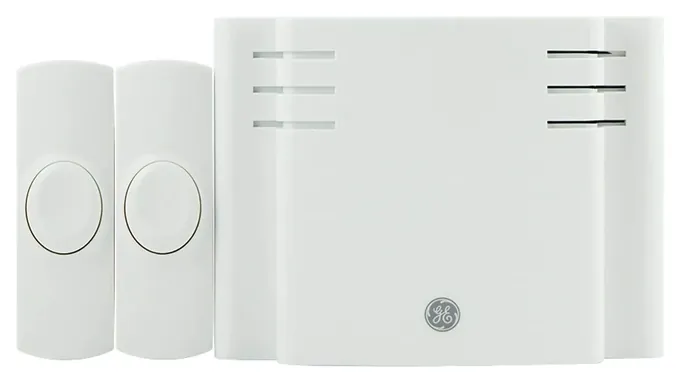
The Tapo D210 is the value pick, and it's one of the few that ring indoors out of the box. For anyone who just wants a bell, the Avantek LD-CB-12-A stays, and the GE 19297 joins it for rooms without an outlet.
We didn't install these doorbells ourselves. We leaned on Expert Reviews' front-door tests, Linkdhome's battery test, ratings from Security.org and SafeHome, makers' specs and owner feedback, and we checked every brand for recalls.
November 10, 2020:
Since our last update, advances in audiovisual technology have improved these wireless doorbells, making them smaller, cheaper, and better equipped, with features such as night vision, smart device integration, and lithium-ion batteries. We have kept a few door-chime-only models for those who don't want or need video capabilities.
Previously we recommended two options by Ring, one with and one without video. We have now replaced them with the latest version, the Ring 3 Plus, which has 1080p HD Video, Live View, Night Vision, a wide 160-degree field of view, and their latest invention, a preview mode that allows the user to check back over the previous four seconds of footage before the motion detector started recording, a handy feature that could provide certain security benefits. The Qniglo Portable was replaced with the Qniglo Solar Powered, which now self-charges during the day and has an even longer range than the previous model. The Avantek Mini is also a new model with improved audio tones, and it now comes with two receivers, meaning more coverage within the home.
Several options were removed completely, as better technology has become available. The Zumimall Home Security boasts real-time audio and full HD video with night vision, and comes equipped with built-in memory. It can also be set up to send alerts to you and your family or friends whenever activity is detected; a handy feature for when going on holiday. The Honeywell SkyBell is used in conjunction with their proprietary remote services app to communicate with visitors and record HD video. However, this one doesn't come with a chime, so if you require one you will need to purchase it separately. The EufyCam 2C Wireless is a home security kit that also includes two wireless HD cameras and a smart base. Up to 14 extra cameras can be installed on the system and they won't need recharging for up to 6 months.
July 01, 2019:
Digital doorbells come in two main varieties: completely wireless models, and video-enabled devices. There is some overlap between the two categories; the Ring, Ring 2, and Lifemement can all run on battery power while also giving you a look at who's at the door. Ultimately, performance might not be as great when you're running on batteries; for example, the Ring 2 doesn't work well in live view mode without wired power. Nonetheless, if you're unable or unwilling to run any wires for power, they will provide you with plenty of functionality, though it may or may not be worth the price to you.
As far as fully wireless options go, the GE and Honeywell are two of the few made by well-known manufacturers, and the Honeywell is one of the most versatile overall. It lets you program your own sound effect and it's compatible with a range of additional buttons and sensors, so you can customize your doorbell and add a little smart functionality to your home without messing around with complicated hubs. The Avantek, SadoTech, and Qniglo are fully battery-powered and very straightforward, and though they lack the advanced functions of the Honeywell, they're all quite affordable.
If you have wires already in place from your previous doorbell and you just want to upgrade to 21st-century technology, there are a number of great ways to do so. As mentioned above, the Ring 2 is a very powerful device, especially when it's connected to AC power. Incidentally, the AC connection actually provides a trickle charge to the internal battery, rather than directly powering the unit, so make sure you've fully charged the battery before installing and setting up the device, because a full battery can make initial setup easier. The Nest and Remo+ also provide a lot of helpful functions like remote viewing and cloud storage, though they absolutely require hardwired power.
How Wireless Doorbells Work, And Which Kind You Need
Some kits include a plug-in chime, others need a separate chime, a smart speaker or the old wired chime.
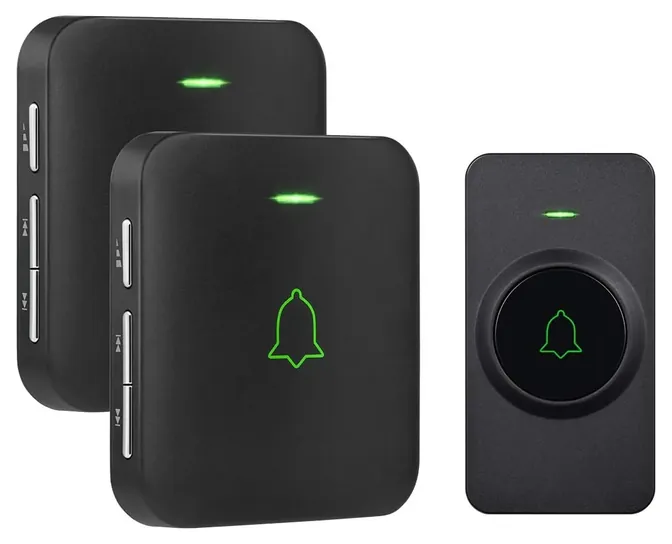
"Wireless doorbell" covers two different products. A basic kit is a push button with a small radio transmitter and a chime that plugs into an outlet or runs on batteries. Pressing the button sends a coded signal on a set channel, so a neighbor's bell won't set yours off (Wikipedia). There's no Wi-Fi, no app and no camera, and kits cost little.
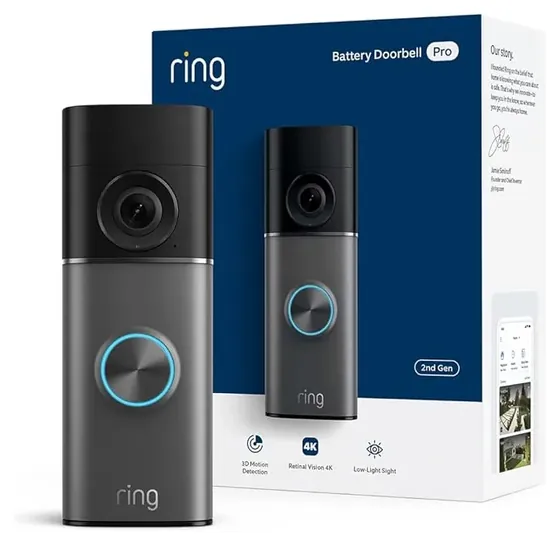
A video doorbell puts a camera, microphone, speaker and button in one body. It joins your Wi-Fi, almost always on the 2.4 GHz band, and sends phone alerts and live video. "Wireless" here means it runs on a battery, either a rechargeable pack or AA cells. Most can also connect to the low-voltage wiring an old doorbell used; a wired bell's transformer usually supplies about 6 to 24 volts (Wikipedia). Wiring keeps the battery topped up.
One surprise catches many buyers: most battery video doorbells don't ring inside the house on their own. Some kits include a plug-in chime, others need a separate chime, a smart speaker or the old wired chime. And for plain kits, range claims are measured in open air. In Expert Reviews' chime tests, an Avantek kit rated for about 300 meters worked reliably at nearly 100, and a kinetic button that needs no battery was patchy about 10 meters from the door (Expert Reviews). Walls, brick and metal doors cut range further.
Subscriptions, Storage And Privacy
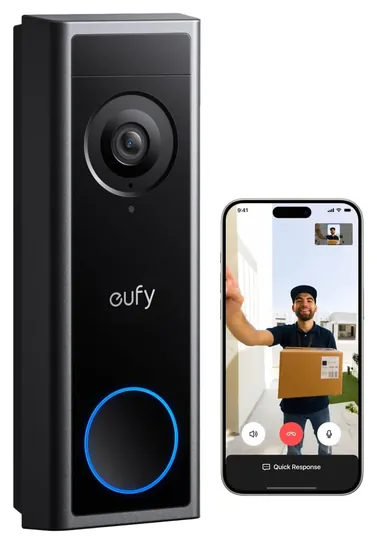
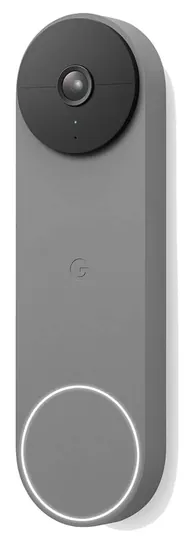
Every video doorbell here shows live video and lets you talk to visitors for free. The differences come with saved video and smart alerts. Ring, Blink and Arlo keep clips in the cloud, and saving them, along with person and package alerts, takes a paid plan. Arlo's smart alerts, for example, depend on its Arlo Secure subscription (Security.org). Google's Nest doorbell keeps 3 hours of event history free and charges for more. Eufy and Tapo record to storage in the doorbell or on a microSD card, with no required fee (Expert Reviews).
Local storage also limits who can see your footage. Ring paid a 2023 settlement to the Federal Trade Commission over employees' access to customer videos, and it ended its police video-request features in early 2024 (Wikipedia).
Recording laws vary by state. Audio is often stricter than video, and some states require everyone's consent to record a conversation, so tell regular visitors or turn off audio recording if you're unsure. Renters should get written permission before mounting a camera, and the lens should cover your own door, not a neighbor's windows (SafeHome).
Battery Life, Wi-Fi And Installation
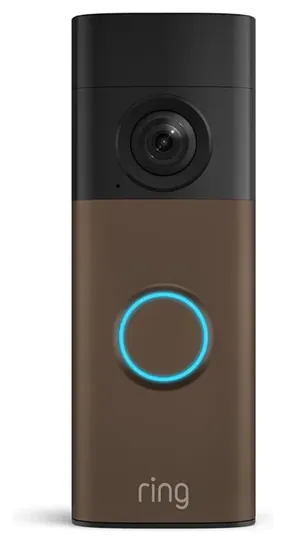
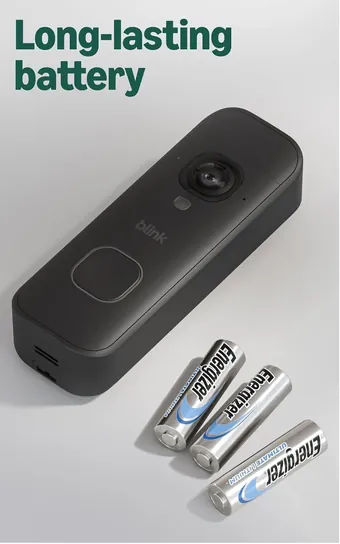
Makers often promise four to six months per charge. Independent tests come in lower. Linkdhome ran each doorbell for 30 days at maximum motion settings and projected 102 days for the Ring Battery Doorbell Plus, 98 for the Tapo D210, 78 for the eufy E340 and 74 for the Nest doorbell (Linkdhome). SafeHome found Ring batteries needed a charge every 45 to 60 days (SafeHome). Busy streets, cold weather and long live-view sessions drain batteries faster. A removable pack lets you charge indoors while a spare stays on the wall. Doorbells with a built-in battery must come down to charge, and lithium cells shouldn't be charged below freezing.
Check your Wi-Fi at the front door before you buy. Stand there with a phone on the 2.4 GHz network, since a weak signal is the most common cause of slow or missed alerts. A mesh node or extender near the door often fixes it.
A battery install takes about 15 to 30 minutes with a drill and the included mount, while wiring to an old doorbell takes about an hour (SafeHome). Turn off the breaker before touching doorbell wiring or the transformer. On recalls, the U.S. Consumer Product Safety Commission's only video doorbell recall we found was the Ring Video Doorbell (2nd Generation) in 2020, for a fire hazard, and no doorbell on this page is affected (CPSC).
How we researched this
We compared 21 wireless doorbells and chime kits and read makers' specs for the 10 picks. We used Expert Reviews' tests of video doorbells and chime kits mounted at a real front door, Linkdhome's 30-day battery test, ratings from Security.org and SafeHome, and a published summary of Consumer Reports' results. We also analyzed owner feedback patterns and checked every brand for recalls with the U.S. Consumer Product Safety Commission.
Sources (16)
- Expert Reviews: best video doorbell
- Expert Reviews: best wireless doorbell
- Linkdhome: best battery video doorbell
- SafeHome: best doorbell cameras
- Security.org: best doorbell cameras
- Consumer Reports 2026 ratings summary (AOL)
- smarthomecompared: eufy E340
- smarthomecompared: Tapo D210
- smarthomecompared: Ring Battery Doorbell
- smarthomecompared: Arlo Video Doorbell 2K
- smarthomecompared: Google Nest Doorbell (Battery)
- smarthomecompared: Blink Battery Doorbell 2K+
- smarthomecompared: Ring Battery Doorbell 4K Pro
- Wikipedia: Doorbell
- Wikipedia: Ring (company)
- U.S. Consumer Product Safety Commission: recalls
Frequently asked questions
How do wireless doorbells work?
A basic kit's button sends a radio signal to a plug-in or battery chime, so no wires run between them. A video doorbell connects to Wi-Fi instead, sends an alert and live video to your phone, and runs on a battery or the old doorbell wiring.
Do video doorbells ring inside the house?
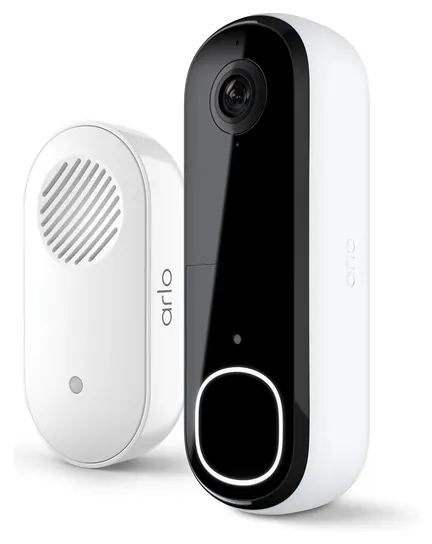
Not always. Many battery models need a separate chime, a smart speaker or the home's existing wired chime. The Tapo D210 and the Arlo Video Doorbell 2K kit include a plug-in chime.
Do I need a subscription for a video doorbell?
Live view and two-way talk are free on all of them. Saving clips and smart alerts usually need a plan on Ring, Blink and Arlo. Eufy and Tapo models save video locally with no required fee.
How long do video doorbell batteries last?
In independent tests, roughly two to three months between charges, less than many makers claim. Heavy foot traffic, cold weather and long live-view sessions shorten it. Wiring the doorbell keeps the battery charged.
How far can a wireless doorbell button be from the chime?
Kits often claim 1,000 feet or more in open air. In real homes, walls cut that sharply, and Expert Reviews found its best kit reliable at nearly 100 meters, about 330 feet.
Is it legal to have a doorbell camera?
Generally yes for your own door, but rules on recording audio vary by state, and renters may need the landlord's permission. Aim the camera at your own entry, not a neighbor's property.