The 7 Best Air Horns
Updated by · How we research

Pocket safety horns, boat cans, a bike horn, a pump horn and a truck kit compared on real loudness and blast supply; the SeaSense Jumbo Air Horn leads. When users buy our independently chosen editorial picks, we may earn commissions to help fund the Wiki.
The loudness printed on an air horn is a sales figure taken at a distance nobody states. In an independent marine test, the best canned horns measured about 124 decibels at arm's length, short of the 130 to 150 on many labels. This guide is for boaters, dog walkers, cyclists, truck owners and anyone who wants a loud alarm close at hand.


Editor's Notes
October 23, 2026, by Ezvid Wiki Admin:
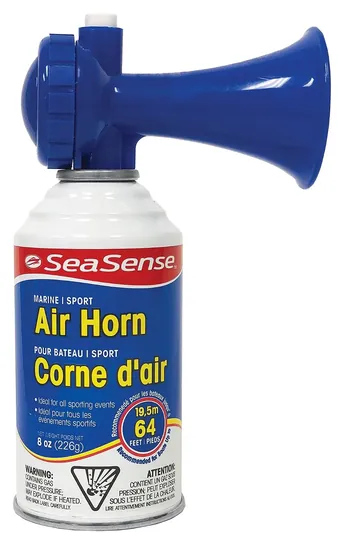
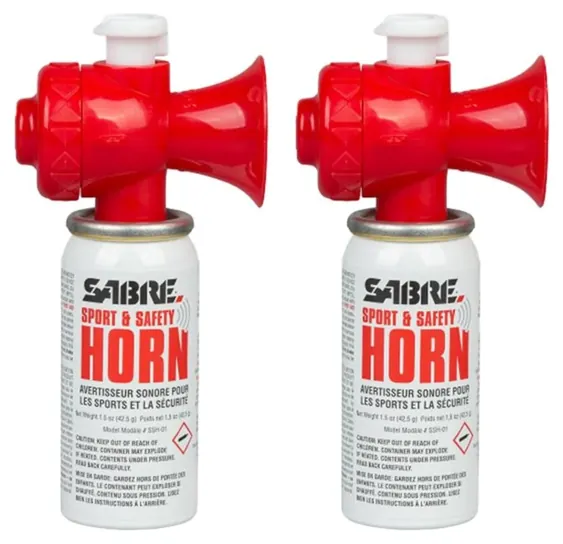
The SeaSense Jumbo Air Horn is the new top pick. It holds enough gas for a string of long signals, and it costs less than many pocket horns. The SABRE Sport and Safety Horn joins for the most common reason readers come here, a horn kept close for personal safety.
The Safety-Sport Dog Horn XL, the Delta Airzound and the GAMPRO Single Trumpet stay. The Aceshin Train Kit, Falcon Safety Sonic Blast, SeaSense Ecoblast and QYPM Party are gone or have no current offer. The Kleinn Air Horns need a separate air supply, the Shoreline Marine can is the same format as the SeaSense, and the Wolo 496 left over units that quit early.
The most useful evidence was Practical Sailor's meter readings of a dozen handheld horns, which put the best cans near 124 decibels, well below what labels promise. We also leaned on a cycling site's long look at the Airzound and the federal boat and truck horn rules.
July 01, 2020:
While many of our previous selections still proved relevant through this round of updates, we did decide on removing the K3 Brands Premium Signal Horn, Safety-Sport Personal 911 and SeaSense 8oz, all due to availability issues. Some of our new picks this time around include the QYPM Party — a disposable model that’s affordable enough for you to get one for everybody on the guest list, the Aceshin Train Kit — which uses a combination of four trumpets to replicate a train’s whistle, and the Wolo 496 — which isn’t truly an air horn, but rather a battery-powered alternative that might save you money in the long run.
A few things to think about for this category:
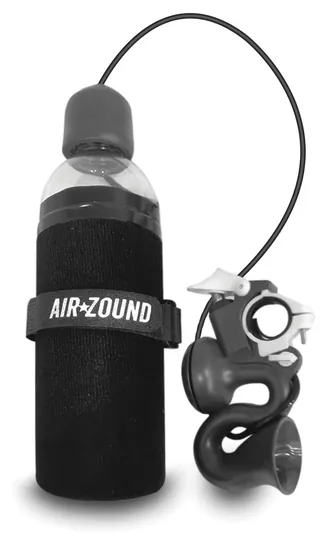
Purpose: What’s this air horn for? Our selections for this category are unified by their common cause, to generate loud noises with the push of a button, but to what end that noise is intended to be used can vary considerably. Air horns for trucks – like the Aceshin Train Kit and Kleinn Air Horns – can make a great replacement for or supplement to your factory horn, but if you prefer to manoeuver through traffic on an electric bike or mountain bike then their size will make them a prohibitive choice for you, and you should instead consider a bike horn like the Delta Cycle Airzound Bike.
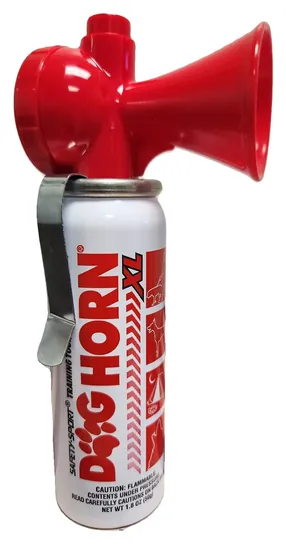
Canister models offer a bit more flexibility, even if they’re marketed as purpose-specific selections. So, while the SeaSense Ecoblast is intended for boat safety and the Safety-Sport Dog Horn XL is intended as a security tool for hikers and pedestrians, in practice they can be used interchangeably.
Reusable vs. Disposable: The pros and cons line up for this consideration similarly to the way they do in most categories: Reusable options – like the Delta Cycle Airzound Bike and SeaSense Ecoblast – can save you money in the long run and reduce your environmental footprint, while disposable options – like the Safety-Sport Dog Horn XL and QYPM Party – can save you money in the short term and tend to be more convenient. As a tireless advocate for long-term savings and the environment, my tendency is to recommend reusable options where appropriate, but it’ll be up to you to decide, based on your personal circumstances, what the best choice is for you.
Size: While this consideration does bear some relevance in the case of canister models – small models like the QYPM Party and Falcon Safety Sonic Blast won’t last as long as some large alternatives – but for the most part I mention size here in reference to the air horns for trucks that we've listed, which can vary considerably in size, so you’ll want to make sure you’ve got enough space handy to install the model you’re considering.
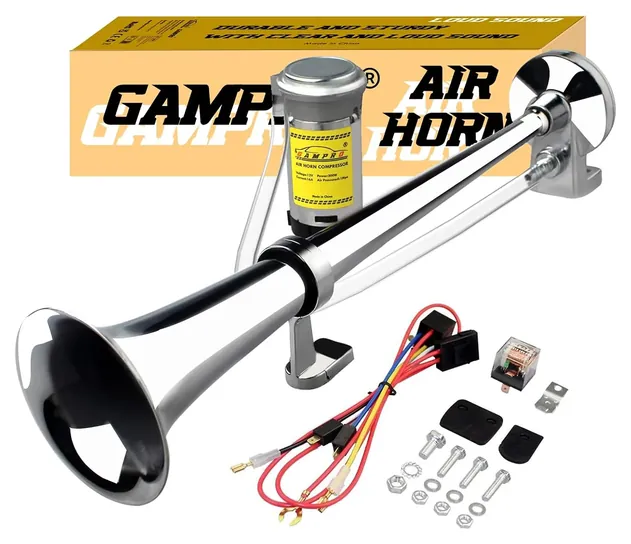
While options like the Aceshin Train Kit, which are powered by a bulky compressor, might be difficult for some vehicles to accommodate, other options like the Gampro Single Trumpet use a small air pump, and therefore might be easier to find space for. Other times, as in the case of the Kleinn Air Horns, no onboard air system is included with the horn, and therefore will need to be purchased separately, so watch out for that extra cost.
Special Honors
HornBlasters Train Horn Kits HornBlasters, based in Tampa, Fla., sells complete train horn kits, onboard air systems, tanks and mounting brackets for trucks and boats. Its kits cost many times what a starter horn does and the installs are bigger jobs, so they suit owners who want a lasting, serious setup and are ready to plan the wiring and air lines. Check your state's horn laws before you sound one on the road. hornblasters.com
Loudness Claims Versus Measured Decibels
Treat any figure as a rough class, not a promise, and compare blast supply and build instead.
Most horn labels promise 120 to 150 decibels, but few say how far from the horn that was measured. The one independent test we found, Practical Sailor's handheld horn test, measured a dozen horns and whistles at 1 meter. The best gas cans, the Signaltone Big Horn and the Falcon PBSHN, read 124 decibels. A pump-up Ecoblast and several Tempo cans read 119, and lung-powered horns ranged from 97 to 112. That test is old and didn't cover today's exact cans, but it shows what a can horn can really do.
The same horn can carry different numbers, too. SABRE's own box says 130 decibels, while some retail pages list it at 115. Treat any figure as a rough class, not a promise, and compare blast supply and build instead.
All of these are loud enough to hurt. The CDC's NIOSH noise page sets a safe workday limit of 85 decibels and halves the safe time for every 3 decibels above that, so a horn at 120 decibels next to your head can damage hearing in moments. Point it away from people and pets, and use earplugs when you install or test a vehicle horn.
Cans, Pumps And Batteries: How Long A Horn Lasts
A gas can horn is the simplest choice: press and it sounds. The catch is supply. SABRE rates its pocket can for about 60 quarter-second bursts, and small cans run dry fast if you hold the button. Larger 8-ounce boat cans last longer. Practical Sailor notes that no can could repeat a fog signal for hours without a pile of spares.
Cans have two weather limits. Cold liquid gas loses pressure, so a can left in a freezing car or boat can sound weak. Heat is the bigger danger: a can left in a hot car can burst. Some propellants are flammable, and the label will say so. Keep cans out of direct sun and away from flames.
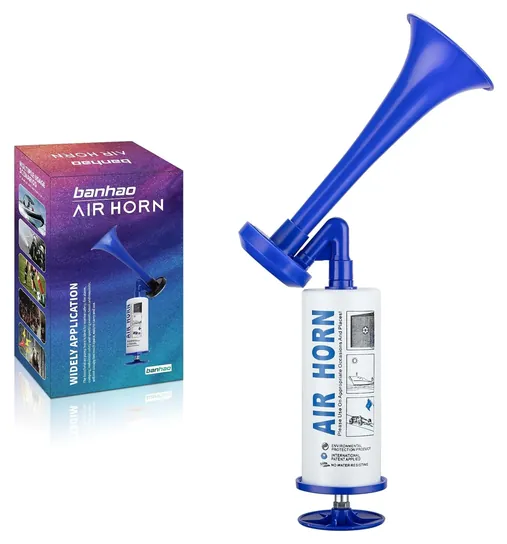
Reusable horns trade convenience for endless supply. Hand-pump horns take many strokes to refill (Practical Sailor counted about 80 for the Ecoblast) and weaken on a long blast. A bike horn like the Airzound refills from a tire pump. Electronic horns run on batteries and never need gas, but the cheap ones tend to sound thin.
For small boats, the rule is simple. Under 33 CFR 83.33, a vessel under 12 meters doesn't need a fixed whistle or bell but must have some other way to make an efficient sound signal. A handheld can horn qualifies for most day boaters, though state rules can add more.
Dogs, Bears And Trucks: What A Horn Can And Can't Do
A horn is a startle, not a shield. With dogs, a short blast often stops a charge or breaks up a fight, but a frightened dog can also run into traffic or turn on the nearest person. If you walk your own dog, sound the horn at a distance at home first so the noise doesn't panic it when you need it.
In bear country, a horn helps announce you on the trail so you don't surprise a bear. It won't stop a charge, and SABRE says as much on its own bear horn. Parks Canada advises carrying bear spray, which has the far stronger track record. Carry both if you hike where bears live, with the spray on your hip.
Vehicle air horns are a separate world. Federal rules for trucks in 49 CFR 393.81 only require a horn that gives an adequate and reliable warning, with no loudness floor or cap. States are stricter: many bar horns that are unreasonably loud or harsh, and a train horn can be legal to install but illegal to sound on the road. Use the supplied relay, fuse the power lead close to the battery and size the wire for the compressor.
How we researched this
We compared 22 air horns, from pocket gas cans and boat cans to pump, bike, electronic and truck horns. We read makers' claims and can labels, Practical Sailor's measured test of handheld horns and Road Bike Rider's review of the Airzound, studied owner feedback patterns, read the federal boat and truck horn rules, and checked every brand against the U.S. Consumer Product Safety Commission's recall database.
Frequently asked questions
How many decibels is an air horn?
Labels claim 115 to 150 decibels, usually without a distance. In Practical Sailor's measurements at 1 meter, the best gas can horns read about 124 decibels and pump horns about 119.
What is the best air horn for protection?
A pocket can with a lock switch, such as the SABRE Sport and Safety Horn, is easy to carry and won't go off in a bag. It draws attention and startles; it is not a weapon.
Do air horns scare off dogs?
Often, yes. A short blast can stop a charging dog or break up a fight, but a scared dog may run or bite. The Safety-Sport Dog Horn XL clips to a belt for walks.
Are air horns reusable?
Gas cans are used up, though many boat horns take a replacement can. Pump horns like the BANHAO Pump Air Horn and bike horns like the Delta Airzound refill with air.
Do I need an air horn on a small boat?
Boats under 12 meters must carry some means of making an efficient sound signal. A handheld horn or a whistle meets that for most small boats; check your state's rules too.
Where can I buy an air horn?
Marine stores, sporting goods and outdoor stores, auto parts stores and online shops sell them. Check the propellant and safety notes on the can before you buy.