The 9 Best Dishwashing Tablets
Updated by · How we research

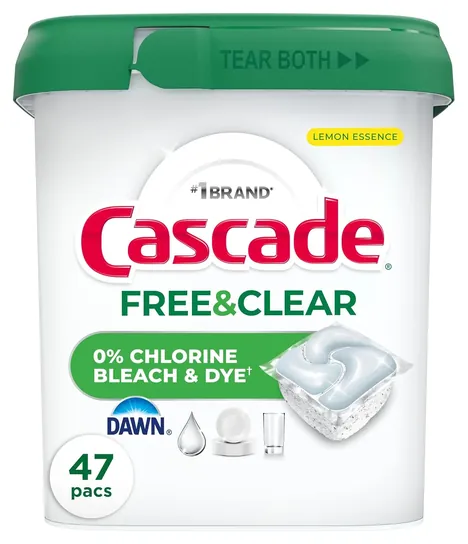
Pods and plastic-free tablets compared on grease, hard-water film and cost per load. Cascade Free & Clear is our pick for most kitchens. When users buy our independently chosen editorial selections, we may earn commissions to help fund the Wiki.
Most white film and spotty glasses come from hard water or a clogged filter, not a weak pod. Phosphates once handled hard water, but U.S. detergents dropped them, so softeners and rinse aid now do that job. This guide is for anyone weighing big-brand pacs, budget tabs and plastic-free tablets who just wants plates to come out clean.


Editor's Notes
October 26, 2026, by Ezvid Wiki Admin:
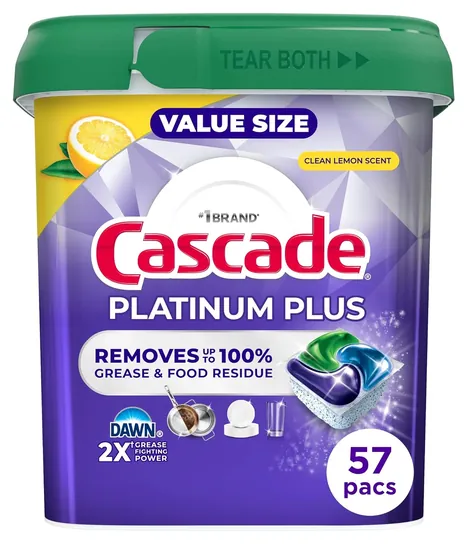
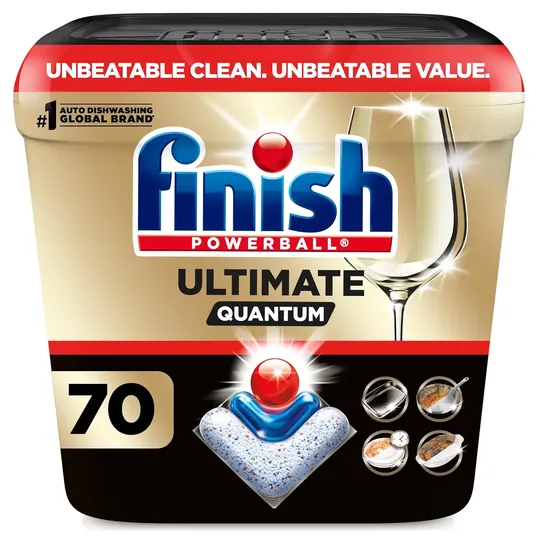
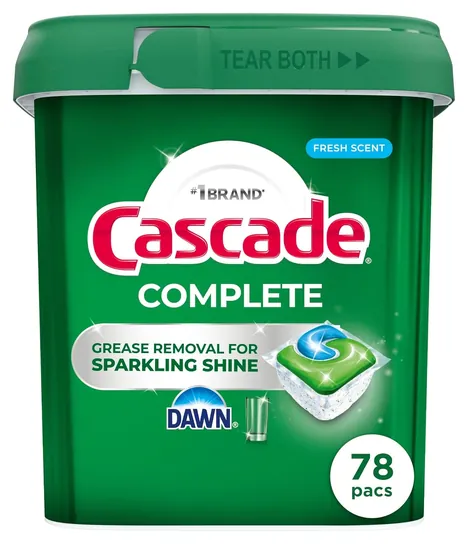
Cascade Free & Clear takes the top spot. It skips dyes and bleach, cuts grease well, and it was the top pick in Wirecutter's comparison of dishwasher detergents. Cascade Platinum Plus and Cascade Complete stay, now in their current tubs, and Finish Ultimate Quantum replaces the Finish Quantum Powerball.
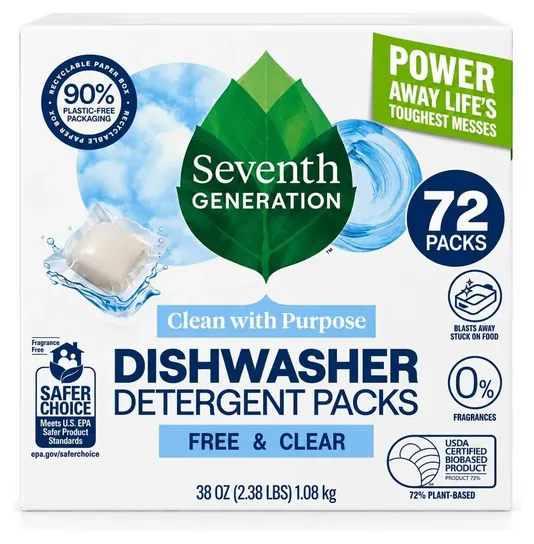
The store brands are gone: Member's Mark, Kirkland Signature and Solimo, along with Puracy Platinum, Ecover Automatic and Mrs. Meyer's Clean Day, because we couldn't find a current listing for them. The Seventh Generation pick is now its Free & Clear packs.
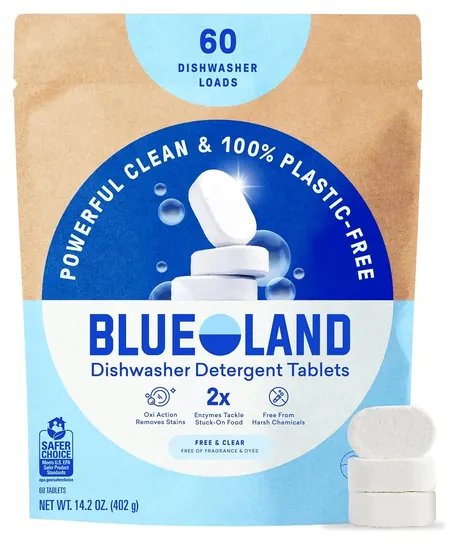
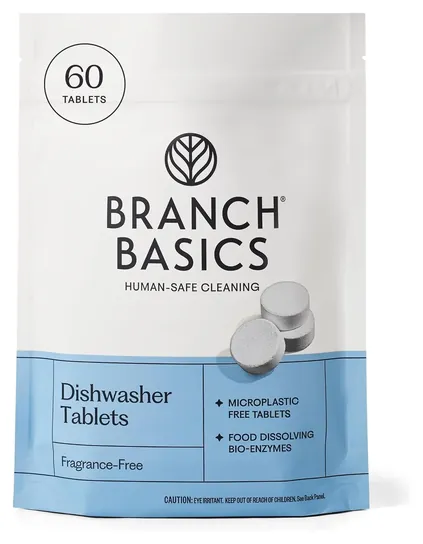
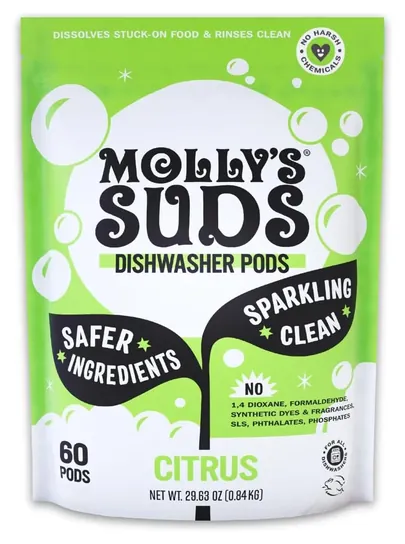
For this list we set Consumer Reports, Wirecutter and Epicurious picks against EPA Safer Choice and EWG listings, and against what owners say about white film and pods that won't dissolve. We also added three plastic-free tablets, Blueland, Branch Basics and Molly's Suds, for readers who asked about them.
September 01, 2020:
Dish pods are ubiquitous these days, but they're a relatively recent addition to the detergent industry. First popularized by the infamous Tide Pods, tablets have become a household staple thanks to their convenience and cleaning power.
A quieter revolution took place alongside the invention of pods. In 2010, 17 states banned phosphates for environmental reasons, and the ingredient disappeared from labels. Cleaning power suffered at first, but the industry adapted. Modern detergents use natural enzymes that break down food and stains without the environmental consequences of phosphates.
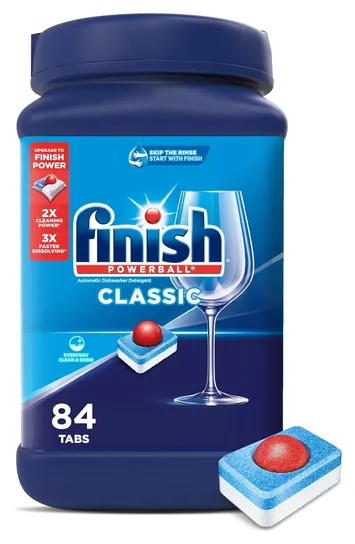
Cascade has been a household name for decades, and they make two reliable options: Cascade Platinum Plus and Cascade Complete. Their stiffest competition comes from the Finish Quantum Powerball, although generic-brand competitors like Member's Mark Ultimate Clean and Kirkland Signature Premium have started to catch up.
For consumers who like to buy sustainably, many companies take the eco-friendly mission further than just enzymes. Seventh Generation Ultra Power Plus and Puracy Platinum packs are just as effective as those from larger companies.
No matter how effective the detergent, results will never be completely predictable in every dishwasher. Older machines generally use more water, and working temperature may vary by model. Modern machines should work with a variety of detergents, but it may take some trial and error to find the best pod for your dishwasher, so you can avoid spots, residue, or oversudsing. Households with hard water should look into a rinse-aid, which helps eliminate water spots and residue.
Ingestion of dishwasher packs is never a good idea, and the formulas are often alkaline enough to cause severe damage. Households with young children should take precautions — store pods out of reach of children, preferably in a locked cabinet.
Hard Water Causes Most Spots And Film
A dirty filter and a cool wash cause a lot of the film people blame on detergent.
When glasses come out cloudy, the pod usually isn't the problem. Calcium and magnesium in hard water dry on the dishes as spots and a white film. Detergents used to fight this with phosphates, which bind those minerals, but U.S. household dishwasher detergents dropped them, so today's pods lean on softeners and rinse aid instead (Wikipedia: Dishwasher detergent). Rinse aid helps water sheet off instead of beading and drying in place.
If you have hard water, pick a pod built for it, such as Cascade Platinum Plus or Finish Ultimate Quantum, and keep the rinse aid dispenser full. Plant-based pods and bare tablets leave white film more often in hard water, so they need rinse aid even more. Clean the filter at the bottom of the tub every month or so and run an empty hot cycle with a dishwasher cleaner now and then. A dirty filter and a cool wash cause a lot of the film people blame on detergent.
Store brands can do well here. Consumer Reports has recommended store packs from Target and Walmart alongside Finish and Seventh Generation, so a warehouse or grocery brand you already like may be worth keeping.
Pods, Tablets And Plastic-Free Choices
Most big-brand options are pods: powder and liquid or gel sealed in a film made of polyvinyl alcohol that dissolves in the wash. The liquid layer carries grease cutters, which is why pods tend to beat plain powder on oily pans. Wirecutter and Epicurious both favored Cascade Free & Clear pacs.
Bare tablets, like Blueland and Branch Basics, are pressed powder with no film at all. They appeal to people who don't want any plastic film going down the drain. The trade-off is that they leave powder spots or fail to dissolve more often in owner reports. Independent views conflict: one long-term home user found Blueland matched a name-brand pod, while an older home test at Kitchen Stewardship was unimpressed with Seventh Generation tablets.
Labels help sort the eco claims. The EPA's Safer Choice program certifies ingredients, and EWG's cleaner guide rates dishwasher detergents by ingredient concerns. Neither label measures how clean your plates get.
Using Pods Safely And Getting Them To Dissolve
Put one pod in the main detergent cup and close the lid, not loose on the rack or the floor of the tub unless the maker says so. Handle pods with dry hands, since the film starts to melt as soon as it gets wet, and keep them in their closed tub. Scrape food off plates, but most makers say you can skip the rinse.
Pods and tablets need a full cycle with hot water. Quick or eco cycles may not run long or hot enough, and that's when owners find half-dissolved pods stuck in the cup. Run the kitchen tap until it's hot before starting the machine, and check that the dispenser door isn't blocked by a tall pan.
Dishwasher detergent is strongly alkaline and corrosive, and brightly colored pods can look like candy to a small child. Store them up high or locked away. If someone swallows one or gets it in their eyes, call Poison Control at 1-800-222-1222 right away. Never use hand dish soap in a dishwasher; it foams over and can leak onto the floor.
How we researched this
We compared 16 current pods and tablets from eight brands, read each maker's ingredient, certification and use claims, set them against published picks from Consumer Reports, Wirecutter and Epicurious and two long-term home reviews, analyzed owner feedback on film, scent and dissolving, and checked every brand against U.S. Consumer Product Safety Commission recall records.
Sources (16)
- Wirecutter: The best dishwasher detergents
- Epicurious: The best dishwashing detergent
- Consumer Reports: Best dishwasher detergents
- Planet Friendly Choices: Eco dishwasher detergent that works
- Kitchen Stewardship: Natural dishwasher detergent
- EWG: Dishwasher detergent ratings
- EPA: Safer Choice products
- Wikipedia: Dishwasher detergent
- CPSC: Recalls
- Poison Control
- Cascade
- Finish
- Seventh Generation
- Blueland
- Branch Basics
- Molly's Suds
Frequently asked questions
Are dishwasher pods better than powder or gel?
For most people, yes. Pods combine a powder with a liquid or gel, which helps on grease, and you can't overdose. Powder and gel still work and cost less per load.
Do I still need rinse aid with a pod?
In hard water, usually yes. Pods with built-in softeners help, but a separate rinse aid does the most to stop spots and film on glasses.
Why do my dishes have a white film?
The usual causes are hard water, a dirty filter, a cool or short cycle, or a pod that didn't fully dissolve. Clean the filter, use a full hot cycle and add rinse aid.
Can I use a pod on a quick cycle?
It's risky. Short cycles may not get hot enough or run long enough to melt the film, so pods can stay stuck in the cup. Use a normal or heavy cycle with a pod.
Are plastic-free dishwasher tablets as good as pods?
Some clean about as well on everyday loads, but they leave powder spots or fail to dissolve more often. They work best with hot water, a clean filter and rinse aid.
Where do I put a dishwasher pod?
In the main detergent cup with the lid closed, using dry hands. Keep the tub closed and out of children's reach.