The 9 Best Juicers
Updated by · How we research

Slow, fast and citrus juicers compared on juice from greens, prep time, cleanup and warranty. The Omega VSJ843QS leads for smooth juice and quick cleanup. When users buy our independently chosen editorial choices, we may earn commissions to help fund the Wiki.
A fast spinning juicer can match a slow one on carrots, yet in one kitchen trial the slow machines wrung about twice as much juice from a pound of kale. Start with what you plan to drink, then weigh how much chopping and scrubbing you'll accept each morning. People who only want orange juice need a far simpler machine.


Editor's Notes
October 26, 2026, by Ezvid Wiki Editors:
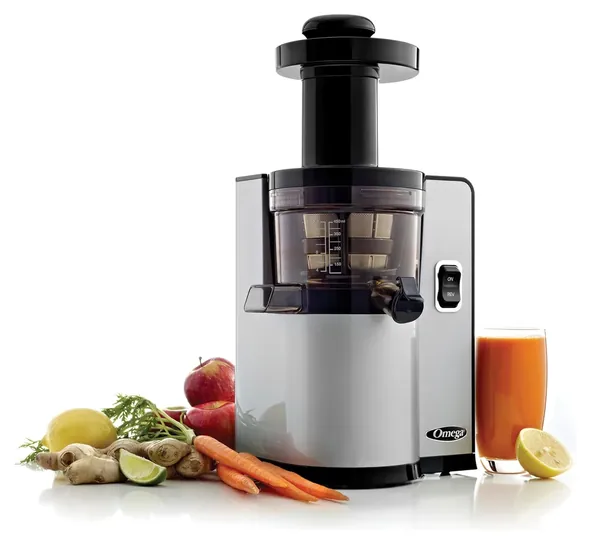
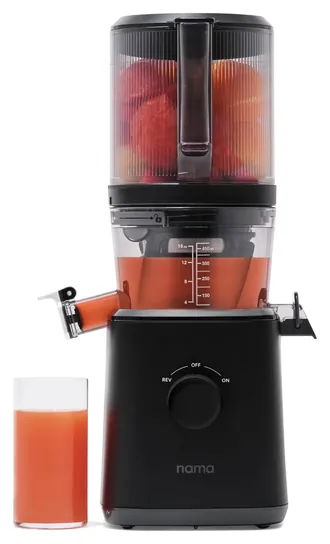
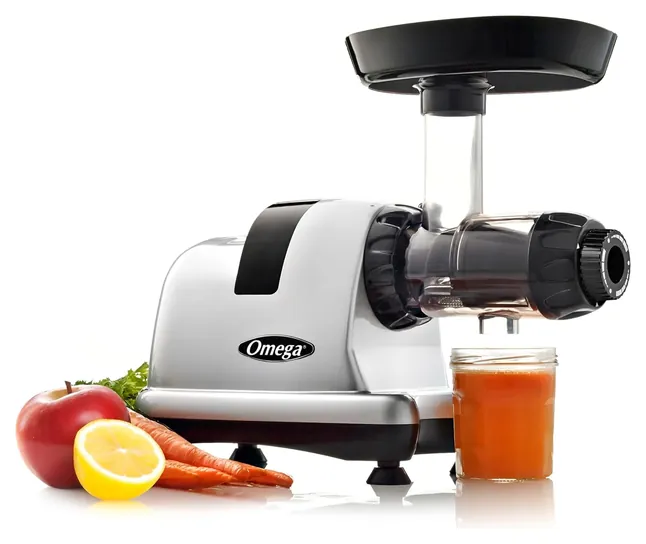
The Omega VSJ843QS moves to the top. America's Test Kitchen ran 95 pounds of carrots, kale and grapes through nine juicers, and this vertical slow juicer was the quickest of the slow models, simple to clean and smooth in the glass, at roughly half the cost of the self-feeding Nama J2. The Nama J2 is the pick if you would rather not chop at all.
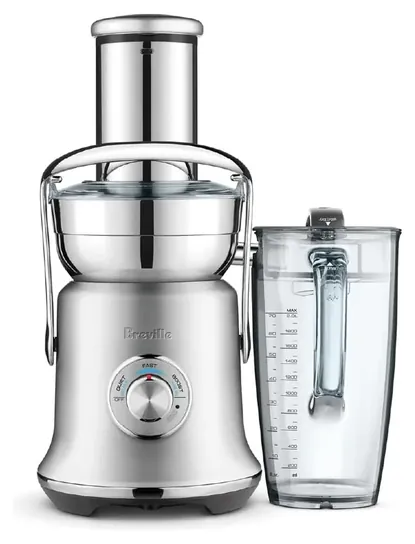
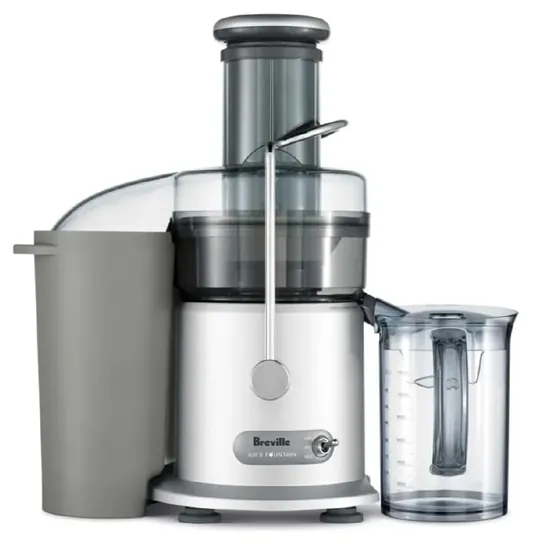
Seven of the ten earlier picks are gone. The Pure DB1 Two-Stage, Tribest Greenstar Pro GS-P502, Tec Slow Masticating and Hurom HH Elite are out of stock with no restock date, and the Kuvings EVO820GM, Kuvings Elite C7000S and Champion G5-PG710 no longer turn up for sale. The Omega J8006HDS stays for wheatgrass and nut butter, and the Breville Juice Fountain Cold XL stays in a brushed stainless version.
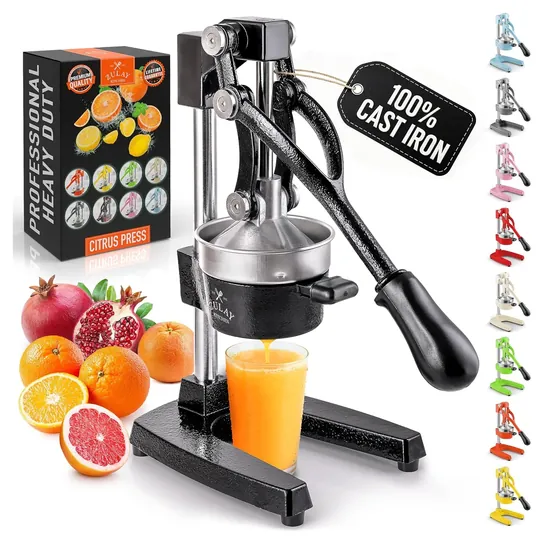
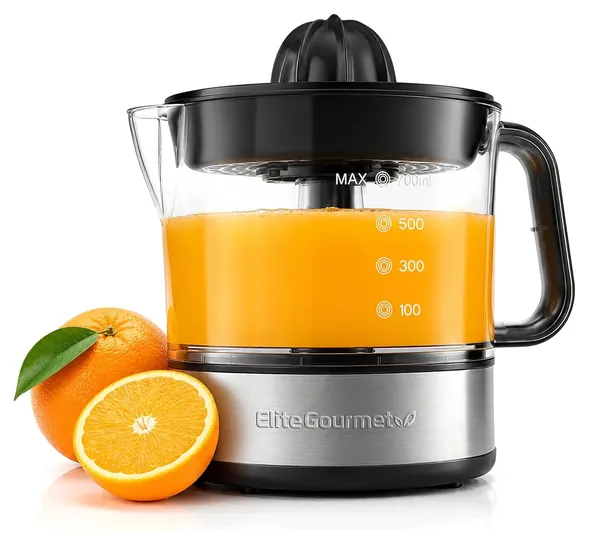
Two new picks are for citrus alone, because a lever press or a reamer beats a big machine for a glass of orange juice: the Zulay Cast Iron Juicer and the Elite Gourmet ETS623. We passed on the Hurom H330: it works much like the Nama J2 but has little track record yet.
Earlier notes
March 30, 2021, by Will Rhoda:
We noticed that the Kuvings CS700 wasn’t available at the time of this update, so we went ahead and replaced it with the Kuvings EVO820GM — a well-reviewed alternative from the company that, at 50 rotations per minute, wound up being the slowest turning option we ranked (which, for the uninitiated, is generally considered to be a good thing).
The Omega J8007S was still available, but we noticed its manufacturer recently discontinued it, and so we thought it best to get ahead of its inevitable disappearance and replace it with the Omega J8006HDS — which has a design quite similar to our previous pick, but features a BPA-free construction that translates to some formerly plastic hardware being upgraded to stainless steel. Compared side by side, this new model should purportedly produce more juice than its predecessor, when used properly.
The Super Angel Deluxe was also missing in action, but we didn’t mind terribly, as it made room for our rankings to accommodate the Pure DB1 Two-Stage, which quickly snagged a spot at the top of our list. It’s a pricey option, to be sure, but the company claims the difference in cost comes back quickly with all the extra juice the unit will extract, thanks to its hydraulic press that exerts 5,400 pounds of force onto your pulverized produce. Considering that its priced at more than triple the cost of our next closest option, we’re skeptical about just how easy it will be – for even the most avid juicer – to recover that kind of difference. But, the machine is backed by a 12-year transferable warranty, so I suppose you don’t have to get your money back overnight.
We like to maintain this page as a starting point, for our users who are just starting to research the purchase, but if you’ve already done a bit of learning and have got a clue regarding what specific sort of juicer you want, then feel free to jump over to one our specialized lists for centrifugal juicers, masticating juicers or citrus juicers.
January 20, 2020, by Daniel Imperiale:
Given the superior nutrient and enzyme content that comes out of masticating juicers, it's no surprise that they dominate our ranking. This is one category in which faster motors are actually a bad thing, as you want more torque at slower speeds with these devices to effectively remove juice without generating heat from friction that can kill and oxidize valuable components. That said, many centrifugal models are faster and easier to clean than masticators, so they aren't completely gone from our list.
The traditional masticator, embodied in models like the Tribest Greenstar Pro GS-P502 and the Champion G5-PG710, create a horizontal pathway for ingredients to travel. Some of the more modern machines have vertical chutes and augers that look like centrifugal juicers at first glance, but are designed to function the same way as these other masticators, but with gravity on their side for the movement of ingredients. For some reason, however, it seems that vertical models like the Kuvings NSF Whole Slow CS700, that are on par with the pro-grade horizontal masticators, come with pretty high price tags. There are cheaper options out there, but they often sacrifice things that the horizontal models in their class still offer.
Special Honors
Goodnature Hummingbird Goodnature builds bag presses for juice bars, and its Hummingbird is the smallest, sold for home or business use. Produce is ground and then pressed inside single-use compostable filter bags, so there is no mesh screen to scrub. It is built for batches of 30 to 60 bottles an hour and costs several times more than any home juicer, so it suits a small juice business or a household that juices by the case. goodnature.com
Slow Or Fast: Match The Juicer To What You Drink
So if you mostly drink carrot, apple or beet juice, a centrifugal juicer is quicker and costs less.
There are two main kinds of juicer for fruit and vegetables. A centrifugal juicer spins a toothed disc at high speed and flings grated produce against a mesh basket. A masticating juicer, often sold as a "cold press" or slow juicer, turns a screw at roughly 40 to 80 RPM and squeezes produce against a strainer. "Cold press" is a marketing name for that slow screw, not a hydraulic press.
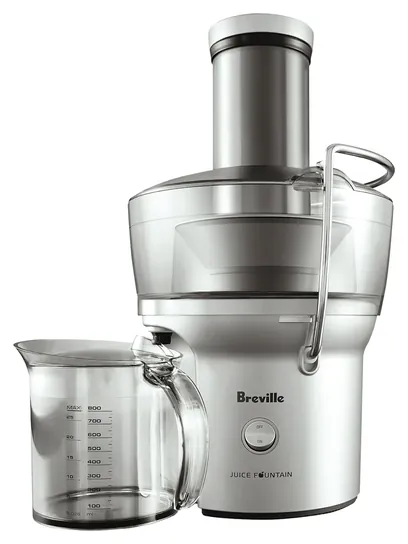
The two kinds trade wins. In America's Test Kitchen's trial of nine juicers, the centrifugal models averaged about 7.9 ounces of juice per pound of carrots against 6.5 ounces for the slow ones. Kale flipped it: about 2.8 ounces from the centrifugals and 5.6 ounces from the slow juicers. Slow models also got more from grapes, about 11 ounces against 9.2. Speed runs the other way. The Breville JE98XL juiced a pound of carrots in 36 seconds, while the Omega VSJ843QS, the quickest slow model, took about a minute and a half.
So if you mostly drink carrot, apple or beet juice, a centrifugal juicer is quicker and costs less. If green juice is the point, get a slow juicer. For wheatgrass, a horizontal slow juicer like the Omega J8006HDS or a dedicated machine works best; see our wheatgrass juicer list. Makers often say slow juicing keeps more vitamins and enzymes, but we found no independent lab work that settles it.
Prep And Cleanup Decide Whether You Keep Juicing
Every machine in the Test Kitchen trial took real effort to clean, and the testers called cleanup the biggest chore of juicing. The feed chute sets how much chopping you do first. The Omega VSJ843QS has a 1.5-inch tube, so apples and carrots go in as strips. Breville's Juice Fountain Cold XL has a 3.5-inch chute that takes whole apples. Self-feeding slow juicers like the Nama J2 go further: you fill a tall hopper with a whole recipe and the screw pulls produce down on its own.
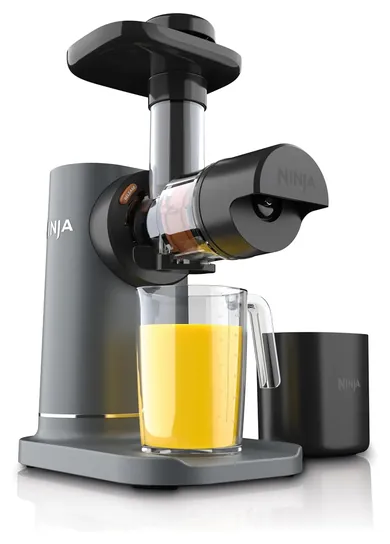
Cleanup comes down to the strainer or mesh basket. Fine mesh traps pulp, so rinse it as soon as you finish, before pulp dries and sets; health writer Kris Carr also notes that dried pulp can stain plastic parts. Use the brush that comes in the box. Check the manual before using a dishwasher: the Ninja NeverClog JC151's juice parts are dishwasher safe, while the Omega J8006HDS is hand-wash only.
Noise matters in a shared home. Centrifugal juicers run loud for a short time, while slow juicers hum quietly for longer. Breville's XL adds a quieter setting, but it is still the loudest kind of juicer here.
Citrus, Safety And Storing Fresh Juice
For orange, lemon and lime juice, skip the big machine. A reamer such as the Elite Gourmet ETS623 spins a ridged cone under a halved fruit, and a lever press such as the Zulay Cast Iron Juicer squeezes it in one pull with no power at all. Both take seconds to rinse. A slow or centrifugal juicer can handle peeled oranges, but it is far more work to clean for a glass of orange juice.
Fresh juice is not pasteurized, and the FDA's juice safety guidance says untreated juice carries the most risk for children, older adults, pregnant women and people with weakened immune systems. Wash your hands and the produce under running water, scrub firm produce with a clean brush, and cut away bruised or damaged spots before juicing. Drink juice soon or keep it cold in a sealed container; Breville says juice in its sealed XL jug keeps in the fridge for up to three days.
Every electric juicer here has a lid or arm interlock that stops the motor when the machine is open. Never defeat it, because centrifugal discs spin very fast and are sharp. Unplug the base before you take parts off to clean. We checked each brand against the U.S. Consumer Product Safety Commission's recall database and found no juicer recalls.
How we researched this
We compared 22 juicers, including slow, fast and citrus models, read makers' spec sheets and warranty terms, used America's Test Kitchen's nine-juicer trial for measured yields and speeds, studied owner feedback patterns and FDA juice-safety guidance, and checked every brand for recalls with the U.S. Consumer Product Safety Commission.
Frequently asked questions
Is a cold press juicer better than a centrifugal juicer?
It depends on what you juice. Slow, or cold press, juicers got about twice as much juice from kale in America's Test Kitchen's trial and run quieter. Centrifugal juicers were faster and got a little more from carrots.
Does cold-pressed juice keep more nutrients?
Makers say slow juicing keeps more vitamins because it adds less heat and air. We found no independent lab results that settle the question, so treat it as a claim rather than a fact.
Which juicer is best for leafy greens?
A slow juicer. The Omega VSJ843QS and other slow models pressed far more juice from kale than centrifugal machines. For wheatgrass, a horizontal model like the Omega J8006HDS works best.
What is the fastest juicer?
Centrifugal juicers. In the Test Kitchen trial, the Breville JE98XL juiced a pound of carrots in 36 seconds. Slow juicers took a minute and a half or more.
How long does fresh juice keep?
Drink it soon, and refrigerate it in a sealed container. Unpasteurized juice carries a food-safety risk, according to the FDA, especially for children, pregnant women, older adults and people with weak immune systems.
Can a regular juicer make orange juice?
Yes, if you peel the oranges first, but a citrus reamer or lever press is quicker and much easier to clean for orange, lemon and lime juice.