The 8 Best Meat Mixers
Updated by · How we research

Eight hand-crank and tilting meat mixers compared on real capacity, gearing, cleanup and warranty. The LEM MightyBite 654 leads for home sausage makers. When users buy our independently chosen editorial recommendations, we may earn commissions to help fund the Wiki.
The pound rating on a meat mixer is generous: once water, cure and spice go in, most tubs blend well at about two-thirds of it. A crank-driven tub spares your arms and keeps warm hands out of cold meat, so it earns its shelf space for anyone making sausage, jerky or burgers by the batch.


Editor's Notes
October 26, 2026, by Ezvid Wiki Admin:
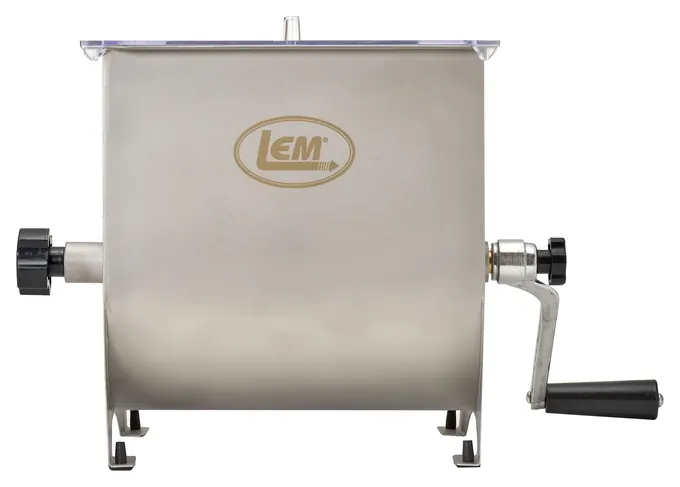
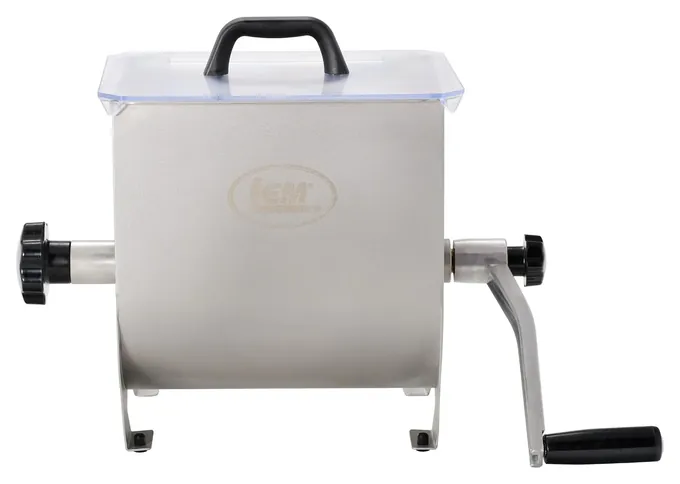
The LEM 654, now sold as the MightyBite, takes the top spot. It isn't the fanciest mixer here, but LEM still sells parts for it and states a two-year warranty, and it has the longest owner track record of any mixer we looked at.
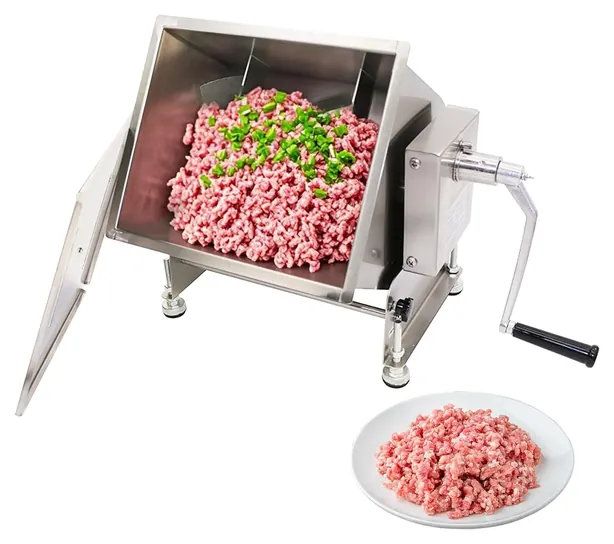
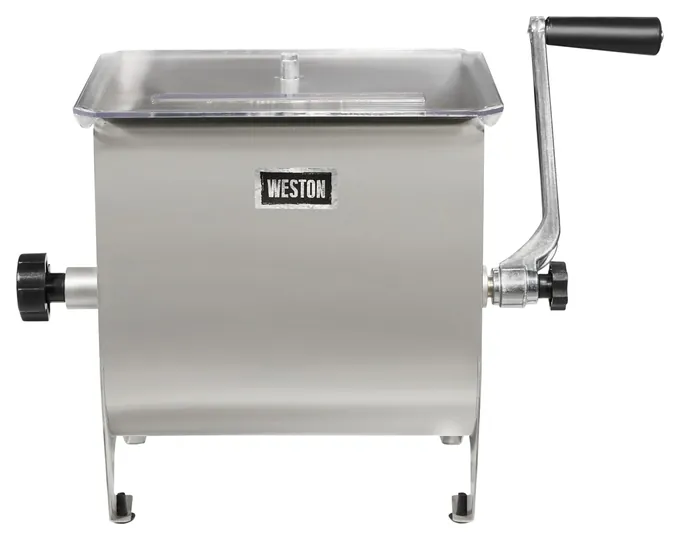
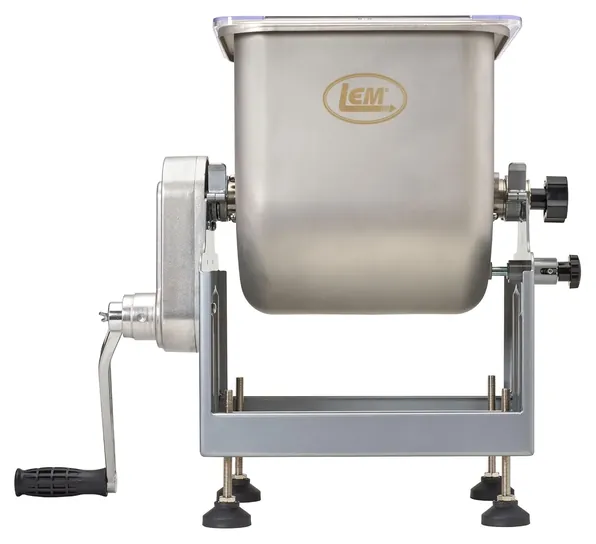
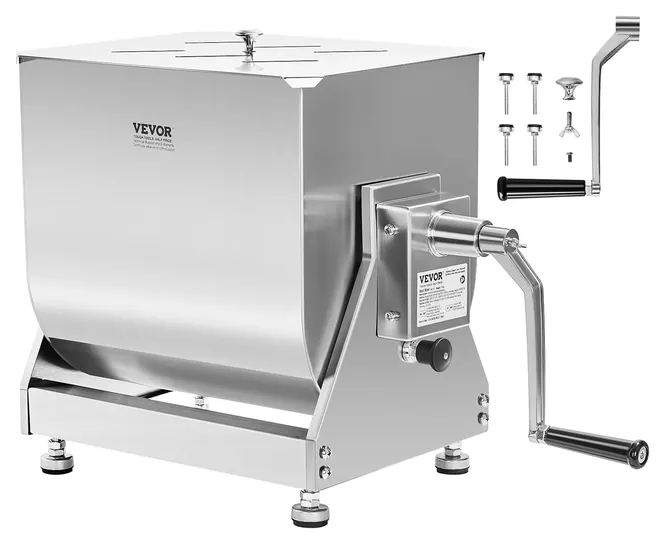
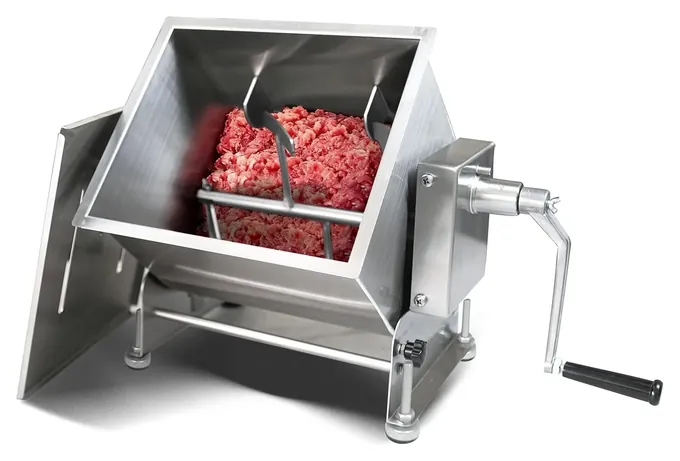
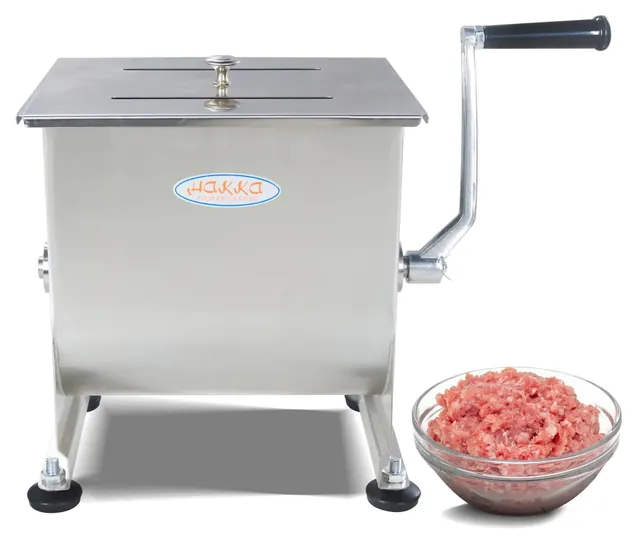
The old top pick, the Guide Gear MM270, has disappeared from sale, and the Hakka Commercial and old Hakka Manual listings are gone too. The LEM Big Bite we listed has been replaced by the BigBite Tilt Mixer, which can run off a LEM grinder. We dropped the Klarstein Lucia Rossa and Cooklee SM-1507BM because they're stand mixers, and our stand mixer list covers those. New picks include the Weston 36-1901-W, two tilting Hakka tubs and the geared VEVOR BX-20T.
Nobody seems to lab-test meat mixers, so we checked each maker's capacity claim against what owners say actually fits, and the gap is wide on almost every tub. If you still need the grinder or stuffer, see our electric meat grinder and sausage stuffer lists.
February 24, 2021:
Many of our previous selections have been discontinued, but there are plenty of worthwhile options left. Two important candidates are the LEM 654 and larger LEM Big Bite, not because they're the most convenient - as neither one can tilt for emptying - but because they're especially well built, and also compatible with the company's similarly high-performing electric meat grinders. In fact, with the right grinder and motor, one of the LEM models could reasonably last for many years without issue.
Our top choice, the Guide Gear MM270, however, brings together a number of excellent features that just about no other model can manage all at once. Its rounded bottom makes for easy cleaning, the welds, walls, and frame all exude strength and quality, and the internal gearbox means you won't hurt yourself trying to use the thing.
We also included a couple stand mixers. The Klarstein Lucia Rossa is the perfect all-in-one choice for small households, and compares surprisingly well to much more expensive name brands. The Cooklee SM-1507BM performs every bit as well, but is larger and more expensive. One feature that we like on both of them is the attached mini blender that makes multitasking a breeze. Neither of these will be of any use if you're preparing a huge batch of sausage, but they will greatly simplify a few fresh links or burgers for the family.
December 28, 2018:
Since we know both heads of restaurants and heads of families might wind up on this list trying to find the best meat mixer, we included both behemoth commercial models like the Hakka Electric, and quainter options such as the Cheftronic 4 In 1. We made sure each selection produces consistent results each time, and works well on any type of meat you add to it.
Special Honors
Hobart Mixer-Grinders For a meat room that runs all day, Hobart builds floor-standing machines that mix and grind in one unit. Its lineup holds 140 to 200 pounds per load and pairs a large grinding motor with a separate mixing motor. These are commercial installations, not something for a home garage. hobartcorp.com
Hakka Brothers Electric Mixers Hakka sells electric versions of its tubs from 15 to 60 pounds, with motors from about a third of a horsepower up to roughly three-quarters. They suit small shops and serious hobbyists who mix every week and want both hands free for seasoning. hakkabros.com
Meat Your Maker 50 Lb. Tilt Mixer This stainless tilting tub has no motor of its own. It bolts to Meat Your Maker's large grinder, so it makes sense mainly for hunters who already own that machine and process several deer a season. meatyourmaker.com
Capacity: Go By Volume, Not Pounds
If you make five pounds of burgers at a time, skip the mixer and use a chilled bowl.
Every mixer here carries a pound rating, and almost none of them mix that much well. The rating assumes the tub is packed with ground meat alone. Add water, cure and spice, leave room for the paddles to fold it, and the useful load drops to about half to two-thirds of the claim. Hakka's own figures show the gap: its 30-pound tilting model has a 20-liter tank and a working limit of 15 liters of meat (Hakka Brothers). A hunter on one processing forum put it simply: judge a mixer by its volume, not its weight label (Archery Talk).
For a sense of scale, home batches usually run 20 to 25 pounds, while small shops work in 50- to 80-pound runs (BBQ Report). If you make five pounds of burgers at a time, skip the mixer and use a chilled bowl. Once batches pass 10 pounds, a crank tub starts to save real time and sore wrists. Buy one size up from your usual batch, and fill it about two-thirds full.
Hand Crank, Gears Or A Motor
The simplest tubs connect the crank straight to the paddle shaft. There's little to break, but a full load of cold meat is stiff, and you feel every turn. A gear case, like the one on the VEVOR BX-20T, trades speed for leverage, so each turn takes less force. LEM's BigBite Tilt Mixer goes further: its step-gear box with roller bearings lets a LEM BigBite grinder, size #8 or larger and built after 2009, spin the paddles for you (Vacuum Sealers Unlimited).
True electric mixers exist, but they're a different budget. Hakka's electric 15-pound model runs about four times the price of its manual twin (Hakka Brothers), and Meat Your Maker's 50-pound tilting tub runs only off that company's own large grinder (Meat Your Maker). Under about 25 pounds a batch, a hand crank does the job. A tilting tub matters more than a motor for most people, because scooping meat out of a fixed box is the slowest part of the day.
Keep It Cold And Mix Just Enough
Warm meat is the enemy. The University of Florida's food science extension advises keeping meat below 40 degrees Fahrenheit through grinding and mixing, since cold fat stays in distinct pieces and the sausage binds better (UF/IFAS). Chill the tub and paddles in the freezer before you start, and work in batches that you can mix quickly.
How long to crank depends on what you're making. Fresh sausage needs only enough turns to spread the seasoning, because extra mixing makes it springy. Smoked, cooked and dried sausage needs more, so the salt can pull out proteins that hold it together. A common check is to press a handful against your palm and turn your hand over: when the meat sticks, it's ready.
Take the paddles out after every batch, wash everything by hand in hot, soapy water and dry it fully. Cheaper stainless grades can spot with rust if they're left wet. Keep fingers out of the tub while anyone is cranking. We found no recalls on any mixer brand here in the Consumer Product Safety Commission's database (SaferProducts.gov).
How we researched this
We compared 17 meat mixers, read the makers' specifications and warranty terms for the 8 finalists, weighed their capacity claims against owner feedback patterns, and checked every brand against the CPSC recall database. We found no independent lab or hands-on tests of meat mixers. Updated October 26, 2026 by Ezvid Wiki Admin.
Frequently asked questions
Do I need an electric meat mixer?
Not for home batches. A hand crank handles about 25 pounds of meat at a time, and electric tubs cost several times as much. A motor makes sense for shops or anyone mixing large batches every week.
How much meat does a meat mixer really hold?
Less than the rating. Once water, cure and seasoning go in, most tubs mix well at about half to two-thirds of the pound figure. Fill the tub about two-thirds full.
Does a meat mixer grind meat?
No. A mixer only blends meat that's already ground with seasoning and liquid. Grind first, then mix, then stuff. Some tilting mixers can borrow a grinder's motor, but they still don't grind.
Can I use a stand mixer instead?
For a few pounds, yes. A stand mixer with a paddle blends small batches, but it warms the meat and strains the motor on heavy loads. Crank tubs are built for 10 pounds and up.
How do I clean a meat mixer?
Remove the paddles, usually with wing screws, then wash the tub, lid and paddles by hand in hot, soapy water. Dry every part fully so stainless steel doesn't spot.