The 8 Best Stand Mixers
Updated by · How we research

Eight stand mixers compared on build, bowl design, kneading power and warranty. The KitchenAid Artisan leads for most bakers; bread and budget picks follow. When users buy our independently chosen editorial recommendations, we may earn commissions to help fund the Wiki.
The numbers on a mixer's box mislead. In lab tests, a five-quart bowl held about three quarts of usable batter, and a 275-watt mixer out-kneaded budget models rated at more than twice the power. This guide weighs build and drive type instead, for home bakers choosing a first mixer, a stronger machine for bread, or a cheap one for holiday cookies.


Editor's Notes
October 23, 2026, by Ezvid Wiki Admin:
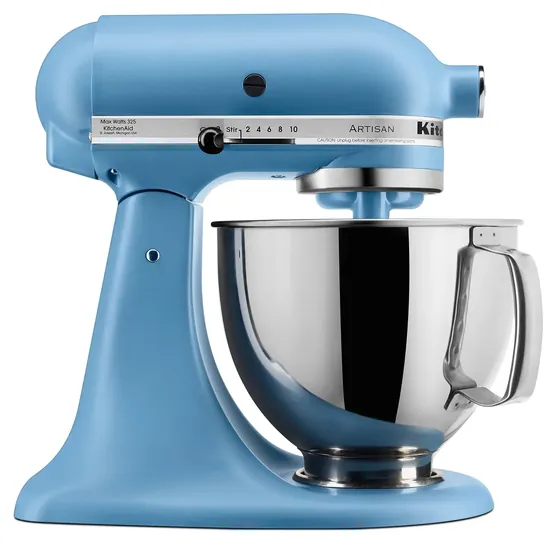
The KitchenAid Artisan keeps the top spot. It scored best in TechGearLab's comparison and did well in America's Test Kitchen's trials, and the old link had gone dead, so it now points to a color that's in stock.
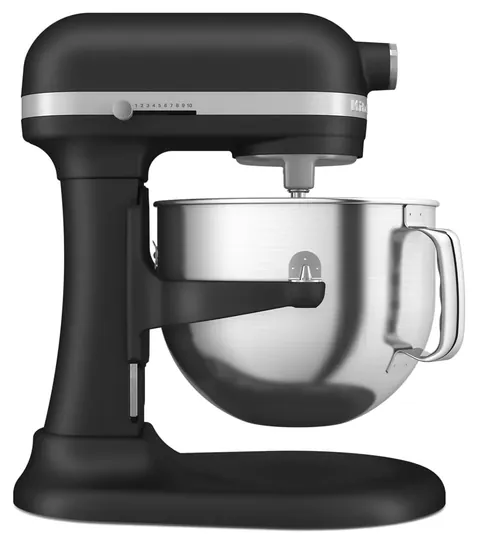
Half of the old list didn't survive. The Nurxiovo Pro 1518-BM, KitchenAid 600 Series and Hamilton Beach 63221 are gone, and the KitchenAid 7-Quart Bowl-Lift takes over as the brand's big-batch machine. We dropped the Dash Go Everyday after it fared poorly in lab tests, and the Sunbeam Mix Master 2594, which costs about as much as the Artisan with no outside testing to back it. The Ankarsrum Original, a lab favorite, moves to special honors because we couldn't find it in stock where we link. Breville has discontinued the Scraper Pro, so its newer Bakery Chef takes that spot.
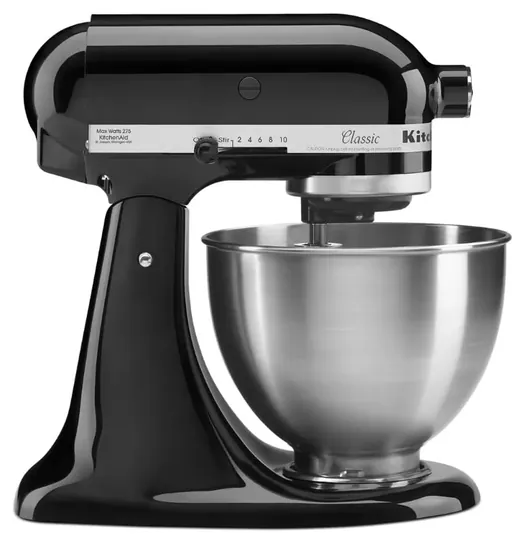
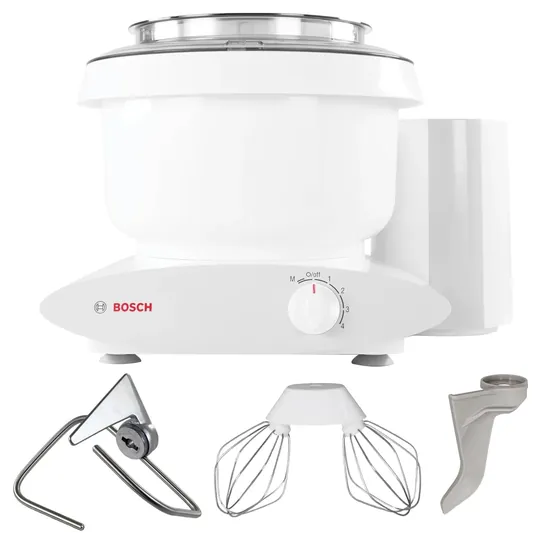
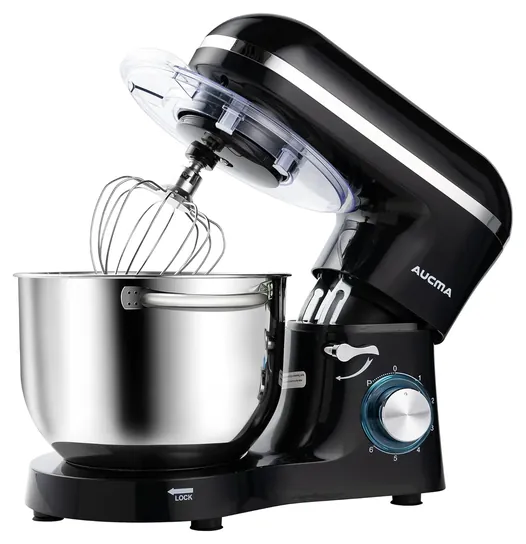
New picks are the KitchenAid Classic for beginners, the Bosch Universal Plus for serious bread bakers and the Aucma 6.5-Quart for tight budgets. The ranking rests on measured bowl capacities and dough-kneading trials from two independent labs, the makers' warranty terms, and owner reports of motors that quit early.
October 22, 2020:
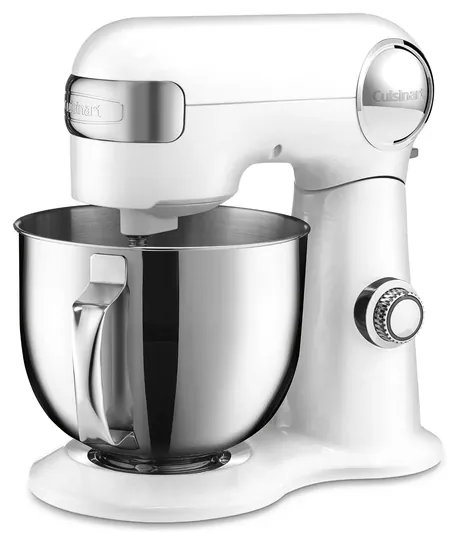
Stand mixers might just be one of the best kitchen gadgets ever invented. They allow you to knead dough, make stiff egg whites for meringues, mix batters, whip cream, and more, all without the manual effort that used to be involved in these tasks. Additionally, many models, like the Kitchen Aid Artisan, Kitchen Aid 600 Series, and Cuisinart SM-50 for example, have an outlet where you can attach pasta rollers and meat grinders, adding to a stand mixer's already high level of versatility. On the note of versatility, we would be remiss if we didn't mention the Nurxiovo Pro 1518-BM, which incorporates both an outlet for a pasta roller or meat grinder and comes with a blender jar and incorporated attachment spot for it.
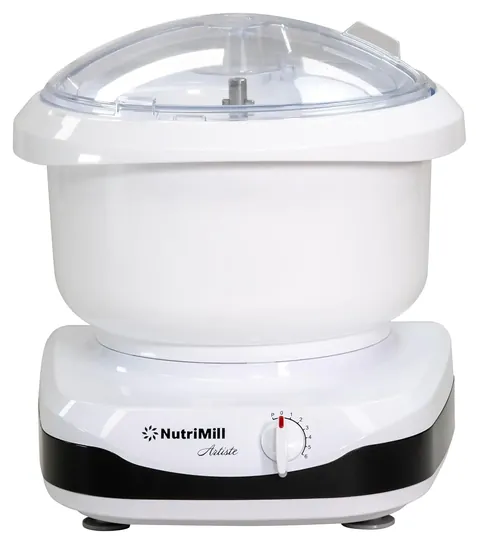
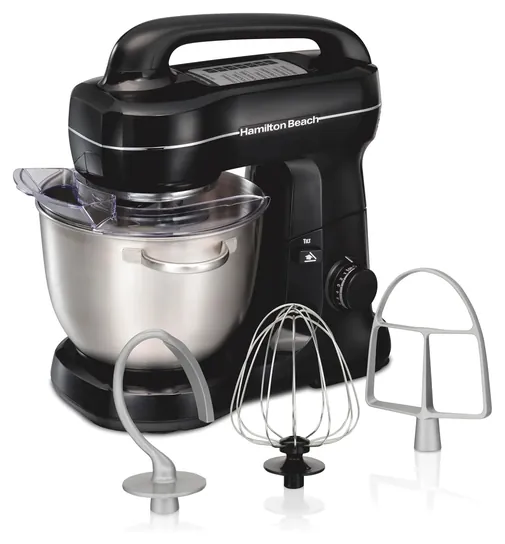
For those with small kitchens or low cabinets, two of the biggest downsides to most stand mixers are the large footprint and tall stance. However, we have found many options that don't require a lot of counter space or a lot of head room. For example, we have included the Ankarsrum Original and NutriMill Artiste, both of which have the motors incorporated into their base. When it comes to a small footprint, the Dash Go Everyday, Sunbeam Mix Master 2594, and Hamilton Beach 63391 immediately stand out. However, to achieve this small form factor, a concession on capacity is made, and none have bowls that can hold more than four quarts.
When it comes to precision work, the more speed settings the better, so if you want full control over the mixing action, you'll want to consider the Kitchen Aid Artisan, Kitchen Aid 600 Series, Cuisinart SM-50, Sunbeam Mix Master 2594, and Hamilton Beach 63221, all of which have 10 or more speed settings. Another good option is the Ankarsrum Original, which offers stepless speed adjustment from 45 to 130 RPM.
December 05, 2019:
High-quality stand mixers are notoriously expensive, but the unit's durability and added functionality is always reflected in the price. So for the beginner-level cook who just wants an easier way to beat a cake mix, or egg whites we rated some entry level models, as well as the best dream machines with all the bells and whistles that budding chefs long for.
We added the lesser-known but incredibly powerful Ankarsrum Original. Best suited to advanced cooks, the rotating bowl, dough roller and integrated scraper are just a few features that help it to stand apart from the other high-end models.
We replaced the Sunbeam Heritage with the Hamilton Beach Tilt-Head as a top low-cost option because the Hamilton Beach offers superior included attachments, and a similarly sized capacity bowl for a significantly better price.
Special Honors
Ankarsrum Original The Ankarsrum Original is a Swedish mixer built around bread. Instead of a beater on a head, it spins the bowl while a roller and scraper knead the dough against the side, and it also takes a pair of whisks for cream and meringue. It has been made in Sweden since 1940, and Ankarsrum backs the motor base with a seven-year warranty. It was out of stock where we link, so buy it from the maker's U.S. store. ankarsrum.com
Breville The Bakery Chef Breville's Bakery Chef is a die-cast metal tilt-head with all-metal gears, a light that shines into the bowl and a timer that stops the motor when the time runs out. A beater with a flexible edge scrapes the sides as it turns, and it comes with two bowls, a large glass one and a smaller steel one for little batches. Breville sells it directly in the U.S. breville.com
Bowl Size: The Box Overstates It
For a household of two to four that bakes a batch of cookies or one loaf at a time, a 4.5- or 5-quart tilt-head is plenty.
The quart number on the box is the bowl's brim-full volume, not what you can mix in it. America's Test Kitchen measured how much batter each bowl could really work with. The KitchenAid Artisan's 5-quart bowl held about 3 quarts, the KitchenAid Classic's 4.5-quart bowl about 3.25, the Cuisinart Precision Master's 5.5-quart bowl about 3.6, and the KitchenAid 7-Quart Bowl-Lift about 5.25. The Bosch Universal Plus came in around 4.6 usable quarts.
For a household of two to four that bakes a batch of cookies or one loaf at a time, a 4.5- or 5-quart tilt-head is plenty. If you double recipes, bake for a crowd or make several loaves at once, look at a bowl-lift or a bottom-drive machine with a 6.5- or 7-quart bowl. Small amounts matter too: a big bowl can struggle to whip a single egg white, which is why Bosch and NutriMill sell whisk and hook setups for small batches, and Breville packs a second, smaller bowl with its Bakery Chef.
Tilt-Head, Bowl-Lift Or Motor In The Base
A tilt-head mixer hinges at the back so you can lift the head to add ingredients or swap tools. It's the most common design and the easiest to live with for cakes, cookies and whipped cream. The trade-off is kneading: KitchenAid tells owners to keep the dough hook at speed 2, and TechGearLab marked down even its top tilt-head because the head crowds the bowl when you add ingredients.
A bowl-lift mixer keeps the head fixed and raises the bowl with a lever. The frame is stiffer, so it rocks less with heavy dough, but it's taller and much heavier. A bottom-drive mixer puts the motor in the base and turns the tools from below. The Bosch Universal Plus is rated for about 14 pounds of dough and weighs much less than a bowl-lift. Its downsides are a plastic bowl and extra paddles for cookies and cakes. The Swedish Ankarsrum Original goes further: the bowl spins and a roller kneads against its wall. It aced every trial at America's Test Kitchen, though it takes time to learn.
Watts, Build And Safety
Wattage on the box says little about kneading power. Gearing, motor design and how close the beater runs to the bowl matter more, and a 275-watt KitchenAid Classic has out-kneaded 660-watt budget machines in lab tests. Instead, look at what the body is made of. Die-cast metal bodies stay put and hold up better than plastic housings, which can flex, walk across the counter and wear out faster. Check the gap between the beater and the bowl bottom too. KitchenAid lets you adjust it with a screw, and a wide gap leaves unmixed butter and egg whites at the bottom.
Warranties range from one year on most KitchenAid and budget models to three years on the Cuisinart and the Bosch motor, and seven years on the Ankarsrum base. Unplug the mixer before you change tools or reach into the bowl, and keep hair, sleeves and spatulas away from moving parts. Don't taste raw dough or batter: the FDA treats flour as a raw food that can carry harmful bacteria. We found no stand-mixer recalls for any brand on this list in the Consumer Product Safety Commission database.
How we researched this
We compared 17 stand mixers, read the makers' specs and warranty terms for the eight picks, used the lab results published by America's Test Kitchen and TechGearLab, analyzed owner feedback for motors and parts that fail early, and checked every brand for recalls with the U.S. Consumer Product Safety Commission.
Frequently asked questions
What size stand mixer do I need?
For one loaf or one batch of cookies at a time, a 4.5- to 5-quart bowl is enough. Expect about two-thirds of the stated size to be usable. Bakers who double recipes or make several loaves at once should look at 6.5- to 7-quart bowl-lift or bottom-drive mixers.
Is a higher-wattage stand mixer more powerful?
Not necessarily. Wattage measures power drawn, not kneading strength. A 275-watt KitchenAid has out-kneaded budget mixers rated at 660 watts in lab tests, because gearing and build matter more.
Can a stand mixer knead bread dough?
Yes, with limits. KitchenAid tilt-heads should knead at speed 2 only, and very stiff or large batches can strain them. Bowl-lift and bottom-drive mixers, such as the Bosch Universal Plus, handle big batches of bread dough more easily.
Why does my stand mixer walk across the counter?
Stiff dough on a high speed makes light mixers rock and creep. Lower the speed, add liquid a little at a time, and wipe flour off the feet and counter so the rubber can grip. Heavier metal mixers and models with suction feet move less.
Which stand mixers compete with KitchenAid?
Bosch and NutriMill bottom-drive mixers are stronger for bread. The Cuisinart Precision Master offers a metal body and a longer warranty, and the Ankarsrum Original and Breville Bakery Chef are pricier alternatives sold by their makers.
How long does a stand mixer last?
There's no lab data on lifespan. KitchenAid metal tilt-heads have a long record of lasting many years with home use, while plastic budget mixers draw more reports of motors that quit soon after the warranty ends. A longer warranty is the best signal you can check before you buy.