The 10 Best Pruning Shears
Updated by · How we research

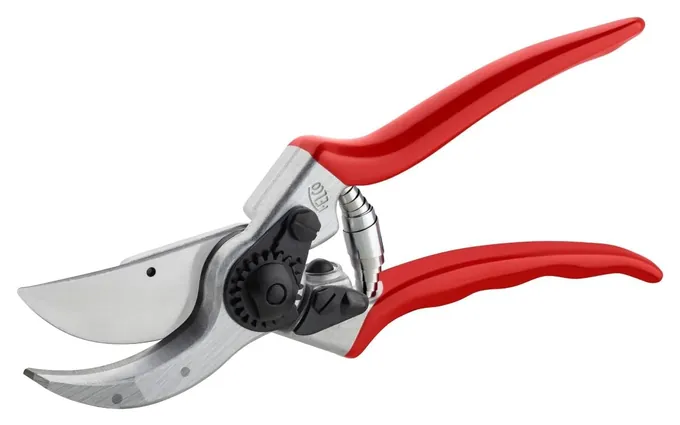
Bypass, anvil and rotating-handle hand pruners compared on cut quality, repairs, comfort and warranty. The Felco F2 leads for clean cuts and swappable parts. When users buy our independently chosen editorial choices, we may earn commissions to help fund the Wiki.
No hand pruner reliably makes a clean cut through a 1-inch branch of hardwood, whatever the box claims; testers found most work best on stems under about three-quarters of an inch. Bypass blades suit live growth, anvil jaws suit dead wood. These picks serve weekend gardeners, rose growers and anyone with tired hands who trims shrubs, vines and fruit trees.


Editor's Notes
November 1, 2026, by Ezvid Wiki Editors:
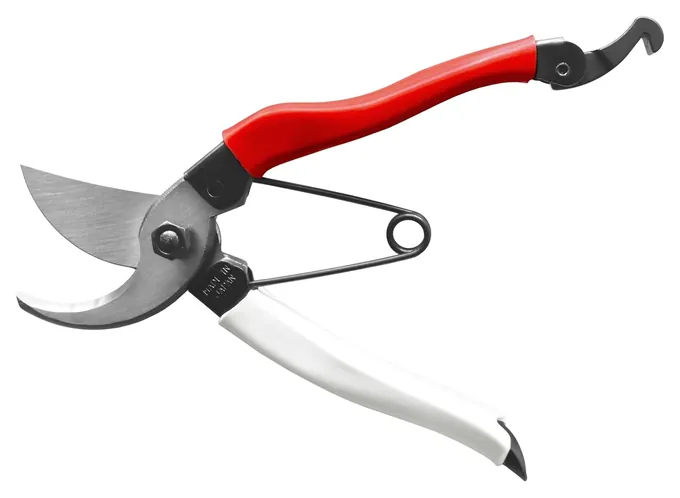
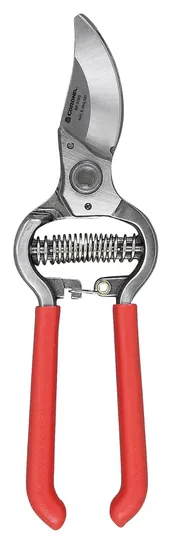
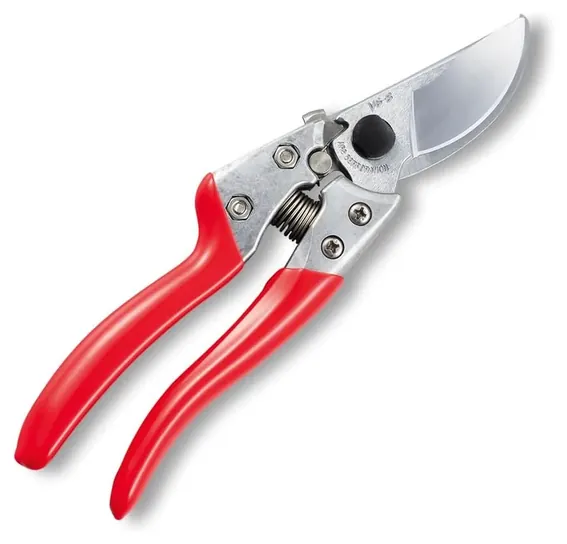
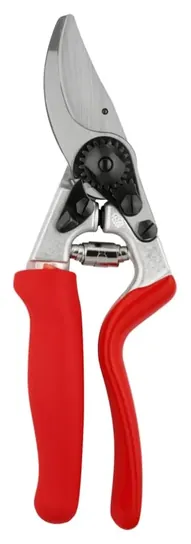
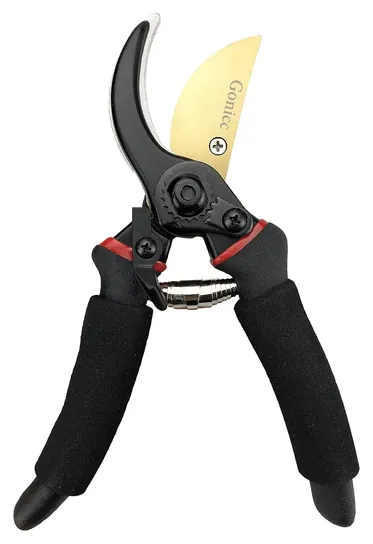
The Felco F2 is the new first choice. Two independent review teams cut branches and dowels with a stack of pruners, and both landed on it, and every part of it can be replaced. The Okatsune 103 takes the place of the smaller Okatsune 101, and the Corona BP 3180D, ARS HP-VS8Z, Felco 7 and Gonicc Titanium Bypass stay on.
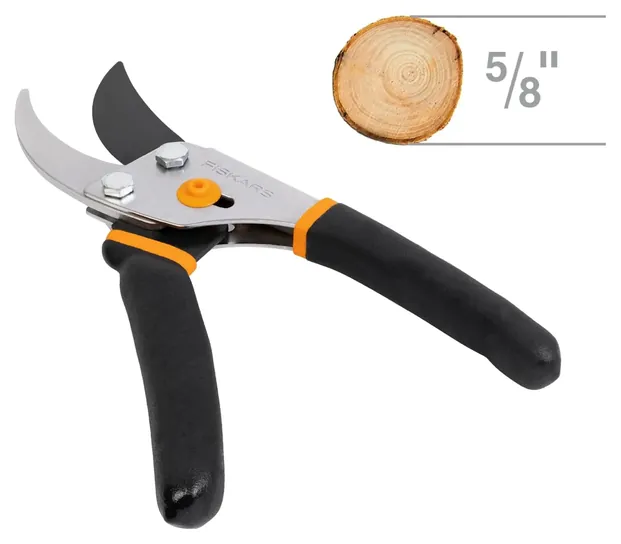
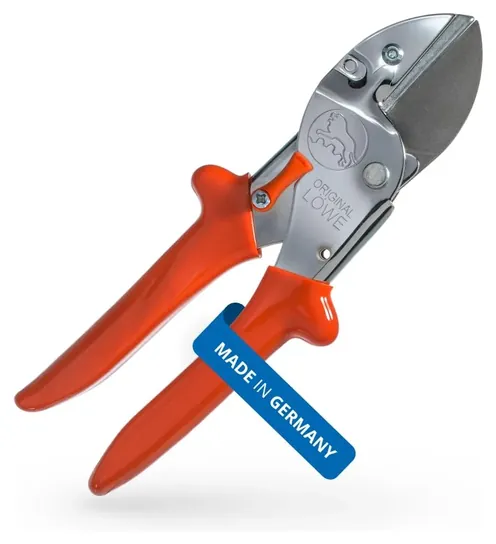
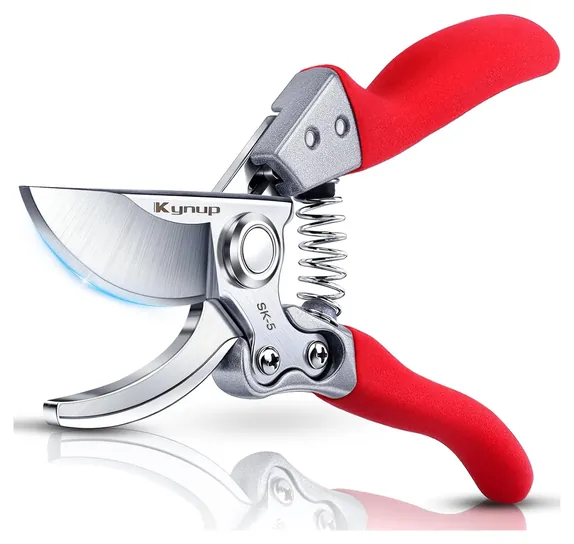
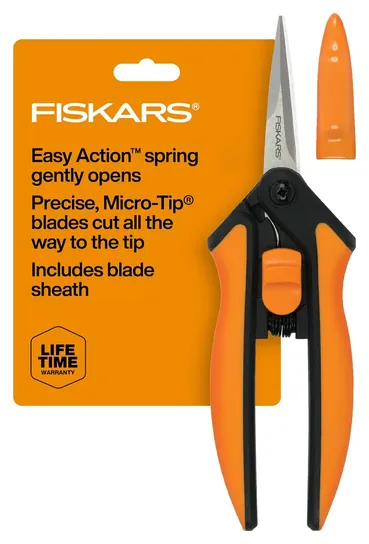
The old top pick, the Fiskars Power-Lever, is no longer sold. We dropped the Gardenite Ultra Snip, Gardenite Power Drive, Hydrofarm Precision and Bibury 5-in-1 because no outside reviews or maker documents back them up. New arrivals cover what readers ask for: the cheap and widely sold Fiskars Bypass Pruner, the Lowe 1.104 for people hunting an anvil pruner for dead wood, the low-cost Kynup Bypass Pruner and the Fiskars Micro-Tip Snips for herbs and flowers.
We skipped a popular ratchet anvil pruner because its ratchet kept failing in owner reports. Extension advice from the University of Florida and Iowa State shaped the buyer's guide on cut types and cleaning.
Earlier notes
March 26, 2021, by Chris Gillespie:
When choosing a suitable pair of pruning shears, comfortable grips and sharp blades are the obvious factors to consider. Beyond that, blades that can be replaced or resharpened will ensure the longevity of the tool, while choosing a pair that are sized correctly for the user will reduce the risk of accidents and minimize hand fatigue.
In this recent update to the ranking, we assessed our current selections and replaced any that are not performing as expected. For cutting through dense foliage or dead branches, curved blades are more effective than straight ones, as they concentrate the force at the point of contact. The Bibury 5-in-1 and the Corona Classic are good general-purpose options with strong curved blades. If you're looking for something a little more durable, then the Okatsune 101 Bypass is made from Izumo Yasuki Japanese steel, which is extremely strong and durable. We replaced the popular ARS Signature with the ARS VS-8XZ, which has been improved with the addition of a tensioning plate on the back of the center bolt to maintain optimal torque. For light pruning or shaping, a smaller pair will make the task easier and more precise. Both the Hydrofarm Precision and the Gardenite Ultra Snip have very sharp straight blades made from stainless steel, and are ideal for fitting into tight crevices. Finally, we replaced the Fiskars Steel with the newer Fiskars Power-Lever. They boast an anvil design that maximizes leverage to provide up to twice the cutting power, making them the best choice for thick branches that otherwise would require cutting with a saw.
January 10, 2020, by Taber Koeghan:
If you tend to a garden on a regular basis, or if you're in the landscaping industry, there's no doubt that you understand the value of a good pair of pruning shears. Shears are essential for controlling small growth on trees, vines, flowers, and shrubs. A plant can flourish only if it's properly cared for, after all.
Pruning is important for several reasons. First, it helps sunlight reach parts of the plant that may be obscured by unwanted growth. Similarly, air contains essential nutrients that can become difficult to absorb as foliage densifies. It's also important to remove dead leaves and branches because they are susceptible to disease. Finally, you'll probably want to shape the plant you're caring for to suit the aesthetic of your home or business. If you're just testing out your gardening skills, a full garden tool set may be a smart investment.
The Gardener's Friend Ratchet and Basilica Botanica BB-002 got the ax due to user reports of premature dulling. The Fiskars 9109 has been removed and replaced with the Fiskars Steel, an updated model. Other new additions to the list include the Gonicc Premium and Bibury 5-in-1, chosen for their ergonomic design and versatility, respectively.
Special Honors
EZ Kut This brand makes a ratchet pruner and a ratcheting lopper that build cutting force in steps, which can help gardeners with arthritis or a weak grip get through branches without straining. ezkutproducts.com
Bypass, Anvil, Or Something Else
If you cut mostly live growth, get bypass; add an anvil pair if you clear a lot of deadwood.
Most gardeners want a bypass pruner. Its curved blade slides past a thicker hook, like scissors, and leaves a clean cut on live stems. Corona, which makes both kinds, says bypass is for green wood and warns that forcing it through hard deadwood can twist or chip the blade (Corona).
An anvil pruner closes one sharp blade onto a flat base. It takes less hand strength on dry, dead branches and forgives a slightly dull edge, but it can crush soft green stems. How much that matters is debated: a University of Florida extension trial found similar tissue damage from both types on small cuts (UF/IFAS Extension). If you cut mostly live growth, get bypass; add an anvil pair if you clear a lot of deadwood.
Three variations solve specific problems. A ratchet pruner cuts in stages for weak hands, a rotating handle like the Felco 7's keeps the wrist straight through long sessions, and micro-tip snips handle herbs, flowers and houseplants. Lawn edges are a different job, better suited to long-handle grass shears.
Cut Capacity, Hand Size And Spare Parts
Box ratings run from five-eighths of an inch to a full inch, but independent cut tests tell a different story. In Reviewed's trials, no pruner made a clean cut through a 1-inch hardwood dowel (Reviewed), and Bob Vila's testers kept their cuts to branches of about three-quarters of an inch (Bob Vila). Anything thicker belongs to loppers or a pruning saw, and twisting a pruner through a big branch is how blades get sprung.
Fit matters as much as power. A standard pruner is about 8 inches long. Smaller hands do better with a compact model such as the Felco 6 or the Okatsune 101, and left-handers can buy a mirrored Felco 9. A pruner that opens wider than your hand can comfortably close will tire you fast.
Then think long term. Felco sells every part of its pruners, from blades to springs (Felco), and Okatsune sells spare blades. Most budget pruners have no spare parts, so when the blade dulls or the spring snaps, the whole tool goes in the trash.
Cleaning, Oiling And Sharpening
Sap and dirt make blades stick, and a dull blade needs more force and slips more often. Wipe the blades after each session, put a drop of light oil on the pivot and the blade, and store the pruner closed with the catch on.
When you cut diseased plants, clean the blades between plants so you don't spread the problem. Iowa State University Extension says to wipe or dip the blades in rubbing alcohol or ethanol, or soak them in 1 part household bleach to 9 parts water for about 10 minutes and then rinse, since bleach can corrode metal (Iowa State Extension).
To sharpen, file only the beveled side of the cutting blade with a fine file or whetstone, following the factory angle, then remove the tiny burr on the flat side (TreePeople). Leave the hook or anvil alone. Carbon steel blades, such as the Okatsune's, take a keen edge but rust quickly if put away wet, while chrome-plated and coated blades shrug off sap and moisture better. Wear gloves for thorny work, and always cut away from your body.
How we researched this
We compared 18 hand pruners and snips, read makers' specifications, warranty terms and spare-parts lists for the 10 picks, drew on independent cut tests from Bob Vila and Reviewed and on university extension guidance, analyzed owner feedback patterns, and checked every brand against U.S. Consumer Product Safety Commission recalls.
Sources (8)
- Bob Vila: The Best Pruning Shears, tested
- Reviewed: The Best Pruning Shears
- Felco: Felco 2
- Corona: The importance of using the right type of hand pruner
- UF/IFAS Extension Hillsborough County: Anvil vs bypass, the conclusion
- Iowa State University Extension: How do I sanitize my pruning shears?
- TreePeople: Keep your tools clean
- U.S. Consumer Product Safety Commission recalls
Frequently asked questions
What is the difference between bypass and anvil pruning shears?
Bypass pruners cut like scissors, with a blade sliding past a hook, which suits live green stems. Anvil pruners press a blade onto a flat base, which takes less force on dry, dead wood but can crush soft stems.
Can pruning shears cut a 1-inch branch?
Some are rated for it, but independent cut tests found few or none that cut 1-inch hardwood cleanly. Stay under about three-quarters of an inch and switch to loppers or a saw for thicker wood.
Is Corona or Fiskars better?
Corona's forged ClassicCUT is sturdier and can be resharpened, but it's heavier. The Fiskars Bypass Pruner is cheaper and lighter in use but smaller in capacity, and it has no spare parts.
Are Felco pruners worth the money?
For frequent pruning, usually yes. Felco pruners topped two independent roundups, and every part can be replaced, so one pair can last decades. For a few cuts a year, a budget pair is enough.
What are long-handled pruning shears called?
They're called loppers. Their long handles add leverage for branches too thick for one-hand pruners.
How do I clean pruning shears?
Wipe off sap and dirt, then oil the pivot and blade. Between diseased plants, wipe or dip the blades in rubbing alcohol, or soak them briefly in diluted bleach and rinse.