The 8 Best Safflower Oils
Updated by · How we research

Refined or cold pressed, jug or bottle: eight safflower oils compared on oleic grade, heat and price for frying and dressings. Oleico High Oleic comes first. When users buy our independently chosen editorial choices, we may earn commissions to help fund the Wiki.
Two different oils are sold as safflower oil. The high-oleic kind, mostly monounsaturated fat, is the stable, neutral one for cooking, and refined versions take heat into the 400s. The high-linoleic kind spoils faster and is mainly sold for skin care and paints. This guide is for cooks after a clean frying oil, an organic bottle or an unrefined one.


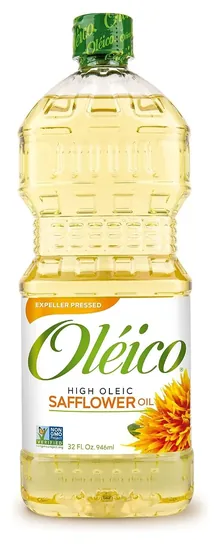
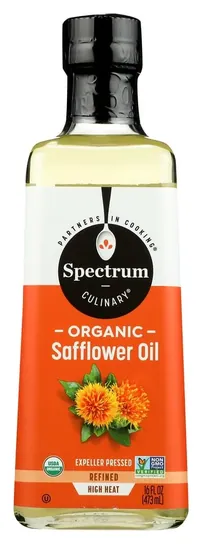
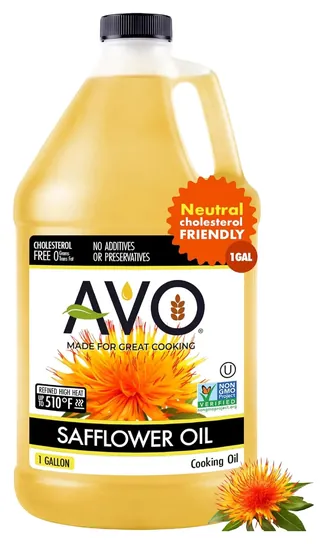
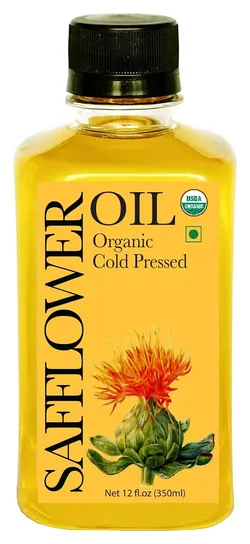
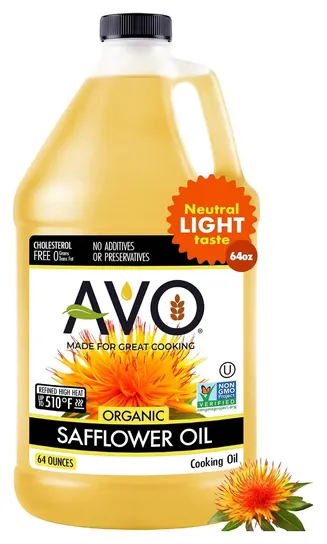
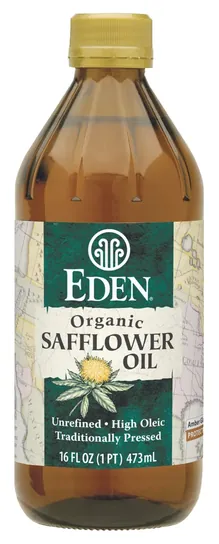
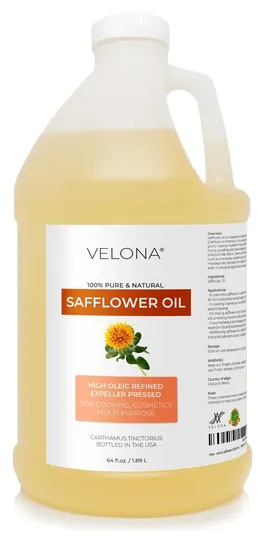
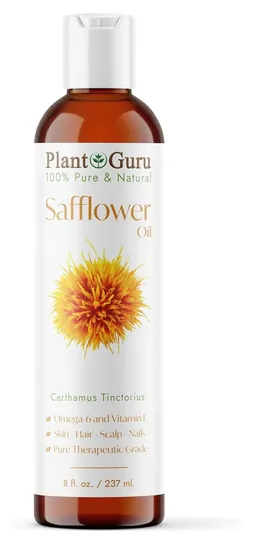
Editor's Notes
October 23, 2026, by Ezvid Wiki Editors:
Plain Oleico High Oleic now leads this list, because it's the clearest case of what most people want from safflower oil: a neutral, high-heat cooking oil with its grade on the label, at a fair price. The old version had drifted toward things nobody should fry with. NatureWise CLA 1250 is a capsule supplement, Renewalize Face Moisturizer and Life-Flo Pure are skin oils, Dr Adorable One Gallon is a cosmetic carrier oil, and Winsor & Newton Mixables is a paint medium, so all of them went. Hollywood 32-Ounce and Chosen Foods Blend can't be bought right now, and the flavored Oleico Gourmet Infused 3-Pack gave way to the plain oil. Spectrum Culinary Organic stays as the organic pick, and Eden Organic Safflower stays for cooks who like a U.S.-grown oil with real flavor. New picks cover bulk frying, cold-pressed oil and a small bottle for trying it.
No lab or taste panel has compared safflower oils, so we leaned on each bottle's label and maker page for the oil grade, pressing method and origin, plus the FDA's recall records, which show no safflower oil recalls.
Earlier notes
July 8, 2020, by Daniel Imperiale:
Given the wide variety of uses for safflower oil, we wanted to make sure that our list represented that spectrum, but that it also leaned a little more heavily on cooking oils than others, as that's the most likely intended use for most people. To that end, we sent off an old cosmetic/massage oil from our previous list and replaced it with the Oléico Gourmet Infused 3-Pack, which offers flavors for three styles of cooking: mediterranean, creole, and provincial. They're great for new cooks, though they are each a bit limited in use, as they're not suitable for sweet treats or most eastern cuisine.
Among plain safflower oil for cooking, Spectrum Culinary still makes one of the best choices out there. It's expeller pressed to preserve its nutritional content, and it's both organic and non-gmo. The only option on our list that can beat it for smoke point is the Chosen Foods Blend, but that might be a no-go for people looking to safflower to avoid other oils. I have a family member for whom coconut in any form is a serious migraine trigger, for example.
Outside the culinary space, we have a number of options for use on the skin, like Life-Flo Pure. Whether you're shopping for your skin, your stomach, or both, however, make sure you're absolutely clear as to what each oil is intended for. Certain offerings are not meant to be ingested, and it's vital that you follow any and all recommendations on the label.
Special Honors
Mountain Rose Herbs This Oregon herb company sells an organic, refined, high-oleic safflower oil grown in Mexico and labeled for both food and external use. It comes in sizes from a small bottle up to a 5-gallon pail, which suits soap makers and big kitchens. It was out of stock when we checked, so it may take a second look. mountainroseherbs.com
Two Oils, One Name: Oleic Versus Linoleic
Safflower seeds come in two main types, and the oil from each behaves differently.
Safflower seeds come in two main types, and the oil from each behaves differently. High-oleic safflower oil is mostly monounsaturated fat, the same kind that dominates olive oil. It stays stable when heated and keeps longer on the shelf, which is why it's the one sold for cooking (Healthline). High-linoleic oil is mostly polyunsaturated fat. It goes rancid sooner and is sold mainly for skin care, soap and oil paints.
Most cooking brands print "high oleic" right on the front, as Oleico, AVO, Spectrum and Eden do. If a bottle doesn't say, and its label talks mostly about skin and hair, treat it as a dressing oil, not a frying oil. Supplement capsules sold as safflower oil are a different thing entirely and aren't meant for the kitchen.
Refined, Unrefined And The Smoke Point
Refined oil has been filtered and treated until it's pale and nearly flavorless. That raises the smoke point, the heat where oil starts to break down and smoke. Refined high-oleic safflower oil is commonly given a smoke point in the 440 to 520 F range, among the highest of common kitchen oils (Tasting Table). Spectrum's organic bottle is rated up to 450 F (Weavers Way), and AVO gives 510 F for its jugs.
Cold-pressed or unrefined oil skips that step. It keeps more color, aroma and some nutrients, but it smokes at a lower heat. Eden describes its oil as pressed and lightly filtered from high-oleic seed grown on the U.S. northern plains (Eden Foods). Use unrefined oil for dressings, mayonnaise, baking and medium-heat cooking, and keep a refined bottle for searing and frying.
Storage, Swaps And Safety
Safflower oil can replace vegetable or canola oil one for one in baking, stir-fries and dressings. A sealed bottle keeps up to about two years in a cool, dark pantry, and an open one lasts longer away from the stove's heat (Tasting Table). Throw it out if it smells like crayons or old paint.
It's almost pure fat, about 120 calories a tablespoon, with a useful dose of vitamin E. There's no good evidence it beats olive oil for heart health, though the high-oleic type is the better choice of the two safflower kinds (Healthline). Check labels if you have a food allergy: Spectrum notes its bottling plant also handles peanut oil. Safflower belongs to the daisy family, so people allergic to plants in that family may want to ask a doctor first. The FDA's food recall records (FDA) showed no safflower oil recalls when we checked.
How we researched this
We compared more than 25 safflower oils sold online, read the labels, maker pages and certifications of the 8 finalists, used Healthline and Tasting Table explainers on oil types and smoke points, analyzed owner feedback patterns, and searched the FDA's food recall records for every brand. Updated October 23, 2026 by Ezvid Wiki Editors.
Frequently asked questions
Is safflower oil healthier than olive oil?
There's no good evidence that it is. Both are mostly monounsaturated fat when you buy high-oleic safflower oil. Olive oil has more research behind it, while safflower oil is more neutral and takes higher heat.
What is the smoke point of safflower oil?
Refined high-oleic safflower oil is usually given 440 to 520 F. Unrefined, cold-pressed oil smokes at a lower heat, so it's better for dressings and medium-heat cooking.
What's the difference between high-oleic and high-linoleic safflower oil?
High-oleic oil is mostly monounsaturated fat and stays stable for cooking. High-linoleic oil is mostly polyunsaturated, spoils faster and is sold mainly for skin care, soap and paints.
Does safflower oil need to be refrigerated?
No. Keep it sealed in a cool, dark cupboard away from the stove, where it lasts up to about two years. Refrigeration can slow spoilage of unrefined oil once it's open.
Can you deep-fry with safflower oil?
Yes, if it's refined and high oleic. Its high smoke point and neutral taste suit deep-frying, and a gallon jug makes refilling a fryer cheaper.
Where can I buy Hollywood safflower oil?
Hollywood high-oleic safflower oil is sold in some grocery and natural-food stores. It was out of stock online when we checked, so this list doesn't include it.