The 9 Best Toothbrush Holders
Updated by · How we research

Open holders that drain keep brushes cleaner than lidded ones. Nine racks, cups, stands and wall units compared; the OXO Good Grips Toothbrush Organizer leads. When users buy our independently chosen editorial recommendations, we may earn commissions to help fund the Wiki.
A toothbrush stays cleanest standing upright in open air, and the American Dental Association warns that a damp brush shut in a closed container grows microbes faster than one left out. So drainage and airflow matter more than any antibacterial claim on the box. This guide is for anyone replacing a grimy cup or sorting out a shared sink.
At a Glance
-
1
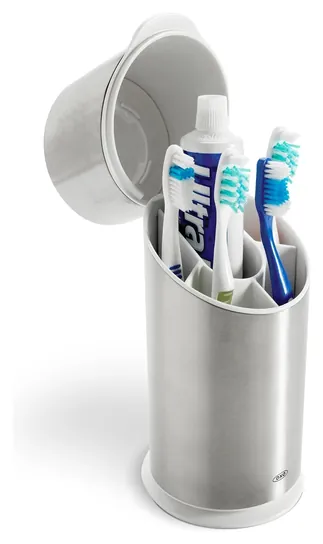
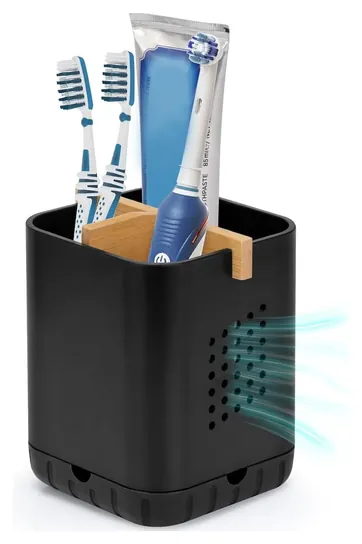
 OXO Good Grips Toothbrush Organizer
$33
-
2
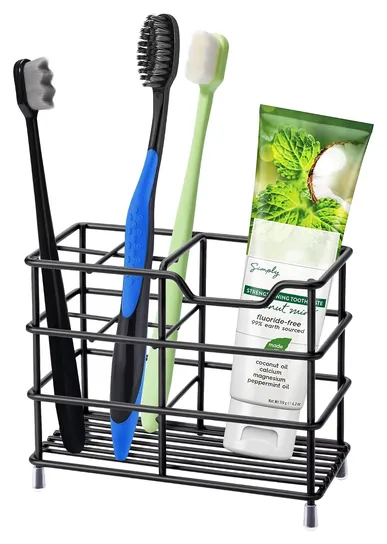
 Urbanstrive Stainless Steel Toothbrush Holder
$7
-
3
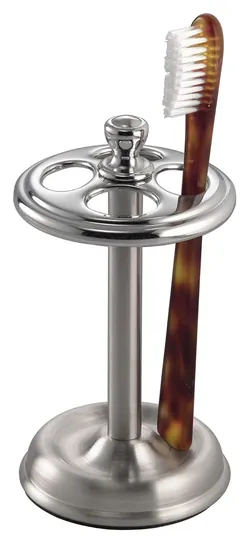
 iDesign Steel Toothbrush Stand
$15
-
4
 Boperzi Toothbrush Holder
$6
-
5
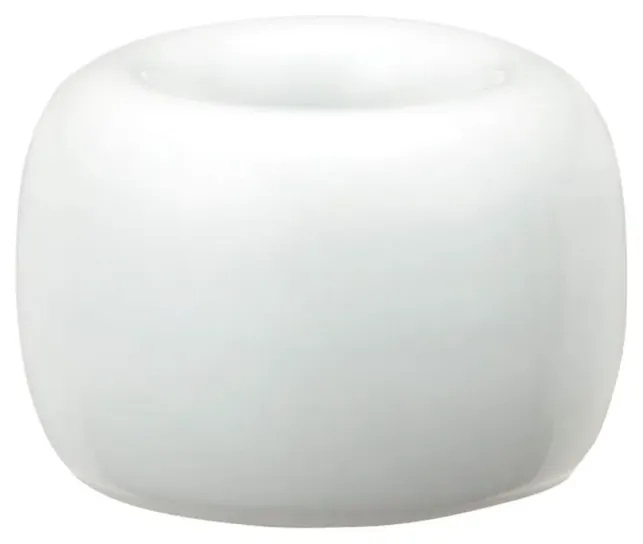
 Muji White Porcelain Toothbrush Stand
$8
-
6
 Wekity Wall-Mounted Toothbrush Holder
$17
-
7
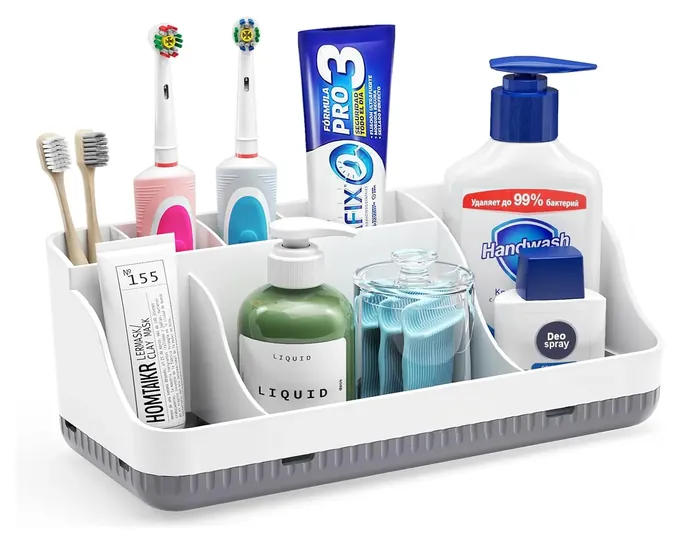
 Homtalker Bathroom Counter Organizer
$9
-
8
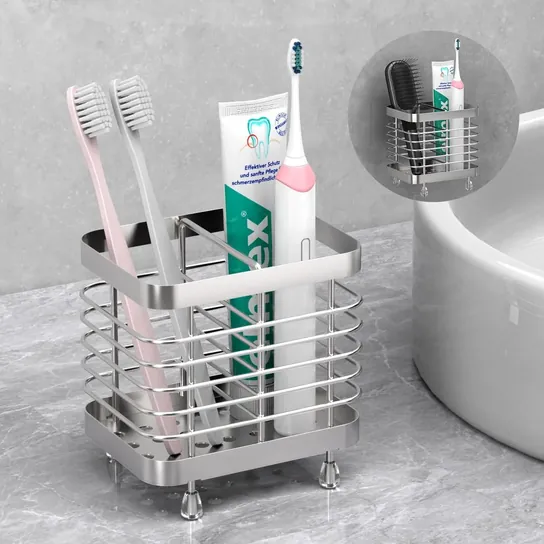
 Luxspire Stainless Steel Toothbrush Holder
$7
-
9
 iDesign Cade Toothbrush Holder
$7

Editor's Notes
October 23, 2026, by Ezvid Wiki Admin:
The OXO Good Grips Toothbrush Organizer moves to the top. Its removable divider keeps heads apart and its vents let bristles dry, which is most of what the American Dental Association asks of toothbrush storage. The Wekity Wall-Mounted Toothbrush Holder stays in its current version.
Eight of the ten older picks dropped out. The Sarmocare Sanitizer, MetroDecor mDesign, Famistar, Luvan, SimpleLife, ISusser and Airmoon holders can't be bought anymore, while the iHave set we listed has become a pricier near copy of the Wekity. We also passed on lidded pods and a UV holder, since a damp brush under a cover is the very thing dentists warn about.
Every pick here was judged on the ADA's advice to store brushes upright and let them air-dry, then on drain holes, parts that come apart for washing, and whether the heads stay apart. No brand turned up in federal recall records.
June 18, 2021:
We removed the Wikor Dispenser because of durability concerns over the long term. In its place, we added the MetroDecor mDesign because of its relative simplicity and low cost. Unlike wireframe and wall-mounted models, the MetroDecor is especially easy to clean and comes in a variety of finishes. We still recommend the Sarmocare Sanitizer as the top choice for those most concerned with cleanliness, while the Oxo Good Grips also does a good job of keeping your oral hygiene tools out of the general bathroom atmosphere.
February 14, 2020:
It took much more thought in making these toothbrush holder selections than you might imagine. The holder is an easy target for bacteria in the air, thanks to the flushing of your toilet. When you flush, tiny particles of water spray into the air, which is why it is always a good idea to put the lid down first. However, you do not always remember to do that, so we chose holders that meet the American Dental Association's recommendations for brush storage, as well as options that completely cover your dental hygiene items.
The OXO Good Grips is a fully-enclosed container for optimum protection from airborne particles. On the other end of the spectrum, the SimpleLife Storage is an open air holder that keeps brushes upright and not touching each other for sanitary and drying purposes. Even the most budget-friendly option, the ISusser Case, keeps your brush completely contained, ventilated, and easy to take with you anywhere. When you make your final decision, look beyond the price tag because your oral health must be handled with care.
Air Beats A Lid
Put the holder near the sink rather than the toilet, and keep it out of the splash zone so it isn't sitting in a puddle.
The American Dental Association gives simple storage advice: rinse the brush after use, stand it upright and let it air-dry. It also warns that keeping a moist brush in a closed container helps microbes grow faster than leaving it in the open. That's why this list favors open racks, ring stands and cups with vents or drain holes, and why lidded pods and snap-on head covers were left off. A cover can make sense for a short trip, as long as the brush comes out to dry when you arrive.
Keep the heads from touching, too. If several brushes share one holder, a divider or separate slots keep one person's bristles off another's, and the ADA says never to share a brush at all. Put the holder near the sink rather than the toilet, and keep it out of the splash zone so it isn't sitting in a puddle.
Some perspective helps. The ADA says there's no evidence that the bacteria found on toothbrushes cause health problems. A clean, dry holder is good housekeeping, not medical protection, so don't pay extra for antibacterial claims.
Racks, Stands, Cups, Tubs And Wall Units
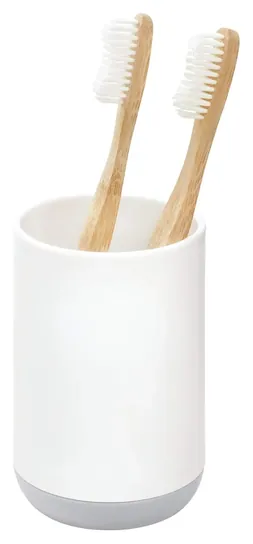
Open wire racks in stainless steel drain best, since water falls straight through, but brushes lean inside them and can touch when every slot is full. Pedestal stands hang manual brushes by the neck with nothing underneath to hold water; most can't take a thick electric handle. Cups are the simplest and cheapest choice, though water collects in the bottom, so look for a removable insert or a shell that comes apart. A designers' roundup at Ideal House leaned toward porcelain and glass with parts that come out, which are the easiest to keep clean.
Electric brushes need wide slots and a stable base. Square tubs with drain holes and a lift-out divider suit them well, and the wider wire baskets fit them too. For a family, a long caddy with several bays and a separate drain tray keeps a whole routine in one place.
Wall units free up the counter, and most stick on with adhesive pads instead of screws. Those pads need a clean, smooth, flat surface such as glazed tile, glass or a mirror, plus the cure time the maker gives before you load anything. On textured paint or rough stone, a full unit with cups and toothpaste can peel off and fall. If your wall is textured, choose a screw-mounted holder or stay on the counter.
Cleaning The Holder, And Whether UV Helps
Even a well-drained holder collects toothpaste drips and slime at the bottom. Wash it often with warm, soapy water, and pick a design whose parts come apart so you can reach the corners. Stainless steel, porcelain and glazed ceramic wipe clean most easily. Plastic with drain holes is fine. Wood and bamboo stay wet longer and can stain or grow mold if water sits on them, so tip them dry.
Clean the brush itself by rinsing it well, and replace it every three to four months, or sooner if the bristles fray, as the ADA recommends. Don't run brushes through the dishwasher or microwave; the heat can damage them.
UV sanitizer holders promise to kill germs on the bristles. The ADA says that if you buy a sanitizer, you should choose one cleared by the U.S. Food and Drug Administration. The UV holders we looked at gave no FDA clearance, no UV dose and no lab results, and we found no independent test of one, so none made this list. A holder that lets the brush dry in open air does the job most dentists ask for.
How we researched this
We compared 17 toothbrush holders and read the makers' specs for the nine picks, weighed each design against the American Dental Association's storage advice, looked at a designers' roundup from Ideal House, and checked every brand for recalls in the U.S. Consumer Product Safety Commission's database. We found no independent lab test of toothbrush holders.
Frequently asked questions
What is the most hygienic way to store a toothbrush?
Upright, in open air, where it can dry between uses, with its head not touching other brushes. The American Dental Association warns that a damp brush kept in a closed container grows microbes faster, so an open or vented holder with drain holes beats a lidded one.
Are toothbrush covers a good idea?
Not for daily use. A cover keeps the head damp, which the ADA says helps microbes grow. Use one only for travel, and take it off so the brush can dry once you arrive.
What kind of holder works for an electric toothbrush?
One with wide slots and a heavy or grippy base: a square tub with a drain base, a wide wire basket or a divided organizer. Ring-style pedestal stands are made for slim manual handles.
Do UV toothbrush sanitizer holders work?
We found no independent test of one. The ADA advises choosing an FDA-cleared sanitizer if you want one, and it also says there's no evidence that bacteria on toothbrushes cause health problems.
How often should I clean the holder and replace my brush?
Wash the holder with warm, soapy water often, and dry it when water collects in the bottom. Replace the brush every three to four months, or sooner if the bristles fray.
Will an adhesive wall-mounted holder stay up?
On a clean, smooth surface such as glazed tile, glass or a mirror, if you let the adhesive set as long as the maker says before loading it. On textured paint or rough stone it can come loose.