The 10 Best Walnut Oils
Updated by · How we research

Roasted, cold-pressed, wood-finish and painters' walnut oils, compared on origin, pressing and packaging. La Tourangelle Roasted is the pick for most kitchens. When users buy our independently chosen editorial picks, we may earn commissions to help fund the Wiki.
Kitchen walnut oil is a finishing oil, not a frying oil. Unrefined bottles start to smoke at about 320 degrees and turn bitter with heat, so cooks add them to dressings, baked goods and finished plates. It also spoils faster than most pantry oils. This list covers kitchen oils first, then refined oils for wooden bowls, oil paint and skin.


Editor's Notes
October 26, 2026, by Ezvid Wiki Editors:
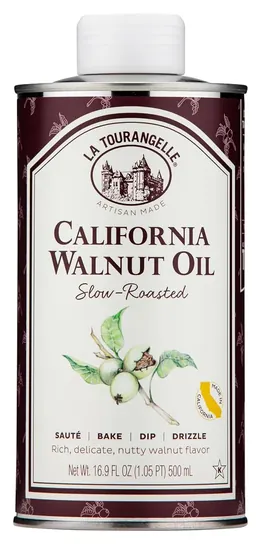
La Tourangelle Roasted stays on top. Its walnuts are roasted and pressed at the maker's own California mill, it comes in a light-blocking tin, and it costs less per ounce than almost anything else here. The bigger change is how the page is organized. The old list mixed salad oil, wood finish and paint medium without saying which was which, and that matters, because a painters' medium is not food.
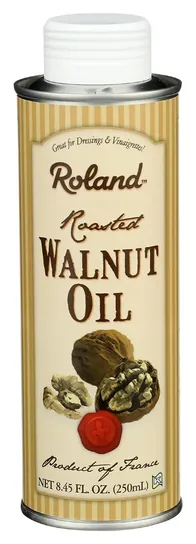
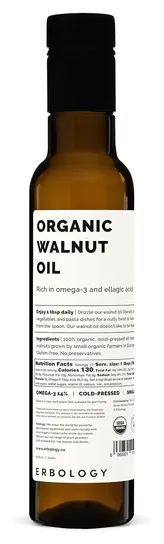
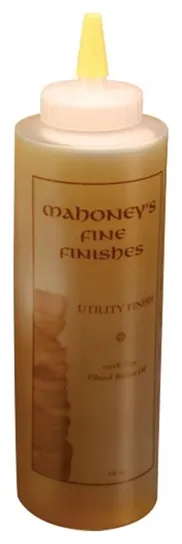
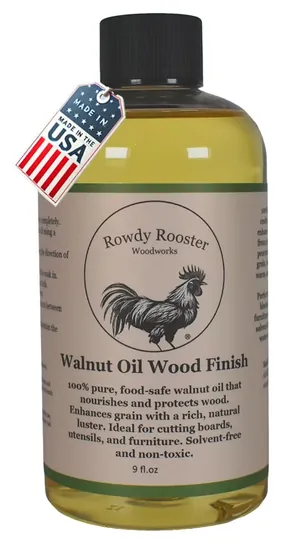
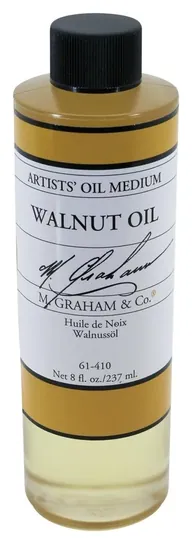
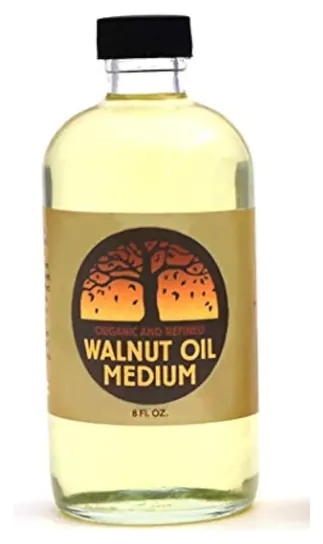
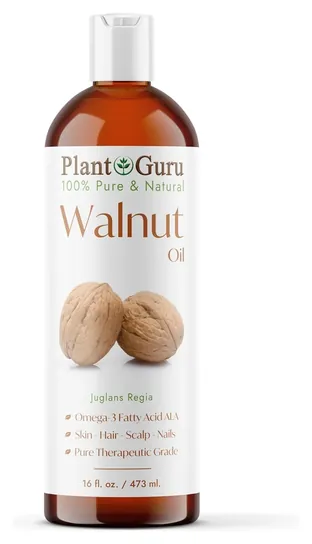
Five kitchen oils now come first, from the cheap Roland Roasted to the organic Erbology Organic. Then come Mahoney's Utility Finish and Rowdy Rooster Refined for wooden bowls and cutting boards, M. Graham Artists' Medium and Natural Earth Paint Medium for painters, and Plant Guru Pure for soap and skin care. Chalk Mountain, Dr. Adorable and Castelmuro are gone, Spectrum Naturals had no price or stock, and Chelsea Classical Studio was down to a few costly bottles.
The most useful evidence came from cooking references on smoke point and storage, the makers' own use and cure instructions, and the FDA's tree nut allergen rules.
Earlier notes
June 18, 2020, by Jeff Newburgh:
Whether you're a gourmet chef, painter, or professional cosmetician, it's pretty difficult to ignore the versatility of these walnut oils. I, myself, am surprised by the range of uses for certain liquids like these. While some products like truffle oils and olive oils are primarily used to enhance the flavors of various foods, other types have a more diverse range of benefits. I'm not saying that olive and truffle oils are inferior in any way (I happen to love them both), but I'm definitely acknowledging the convenience of applying a substance to a variety of objects without being limited to just one function.
On the culinary side, we've included La Tourangelle. This affordable option has undergone manual pressing and slow roasting in cast iron kettles, giving it a subtle, yet sweet flavor for enhancing the taste of many foods. Though not always the rule, many walnut oils tend to yield a bitter taste when they're cooked at extremely high temperatures, so using a lower, more gentle roasting process can help maintain the product's nutritional value without a gnarly taste.
We've added both Mahoney’s Fine Finish and Chalk Mountain Finisher, the former of which offers a rapid drying time and ability to fully absorb into many wood surfaces while the latter is ideal for use as a furniture sealant.
Though it's mainly used to improve the taste of pastas and salad, Erbology Organic can also be rubbed into the hair and skin.
For the budding artist, Chelsea Classical Studio is a formidable choice. Purified by hand and naturally cleaned to filter out impurities, its pale color makes it a good option for painting light colors.
For skincare applications, we've included Dr. Adorable Organic, as its moisturizing properties and viscosity are ideal for massage therapy.
Finally, Spectrum Naturals can withstand high temperatures without losing its nutritional value, so it's definitely a good choice for pan frying. However, it should be mixed with foods that counteract the somewhat bitter flavor it produces when it's heated.
Special Honors
Manzanita Manor Organics Manzanita Manor Organics grows walnuts on California's Central Coast and has farmed organically since 1992, by its own account. It sells walnut oil, raw walnut butter and other walnut goods from its own site, a good source for buyers who want oil from a single farm. mmorganics.com
Roasted, Cold-Pressed Or Refined
Cold-pressed oil skips the roasting, so it's milder and paler.
Walnut oil comes in three broad styles, and the label tells you which job it's for. Roasted oil is pressed from toasted kernels. It's darker and tastes strongly of walnuts, the style French cooks use in dressings. La Tourangelle roasts California walnuts and presses them at its mill in Woodland, California.
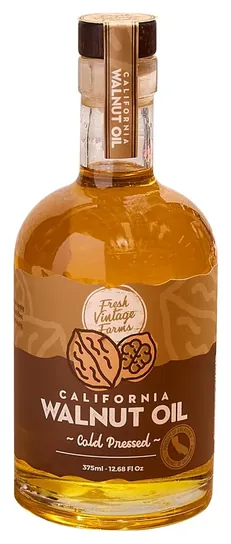
Cold-pressed oil skips the roasting, so it's milder and paler. It also costs more, because pressing without heat gets less oil out of each nut (Wikipedia). It takes roughly two kilograms of walnuts to make a liter of oil (CooksInfo).
Refined oil is pressed and then cleaned up until it is pale and nearly flavorless. That's the kind sold for woodworking and oil painting. Art-store mediums and wood finishes are made for those uses, not for the table, even when the oil inside started as walnuts. Almost all of the walnut oil sold in the U.S. is made from California nuts.
Cooking With It, And Keeping It Fresh
Unrefined walnut oil starts to smoke at about 320 degrees Fahrenheit, and refined oil at about 400 (CooksInfo; Tufts Health & Nutrition Letter). Heat also dulls the flavor and adds a bitter edge, so most cooks add it at the end: in vinaigrettes, over roasted vegetables, on pasta or in cakes and quick breads (Food Republic). A light saute is fine with roasted oil, but don't fry with it.
Walnut oil is rich in polyunsaturated fat, which is why it spoils faster than olive or canola oil. Buy a size you'll finish, and pick a tin or dark glass. Keep it cool and sealed, use an opened bottle within about six months, and move it to the refrigerator after the first month. Cold can cloud or thicken it; a few minutes on the counter fixes that. If it smells like paint or tastes bitter, it has gone rancid, so throw it out.
Wood, Paint And Skin: Safety First
Walnut is a tree nut, one of the major food allergens. U.S. labeling law makes food labels name the nut, but highly refined oils are exempt (FDA). If someone in the house has a nut allergy, skip walnut oil on boards, bowls and spoons, whatever a finish's label says.
Walnut oil is a drying oil: it slowly hardens in air, which is why it works as a wood finish and in paint. That same reaction gives off heat, and oily rags left in a pile can catch fire on their own (Wikipedia: Drying oil). Lay used rags flat outside to dry, or soak them in water in a sealed metal can. Mahoney's Finishes asks for a full day of curing in a room above 70 degrees between coats.
Painters prize walnut oil because it yellows less than linseed. M. Graham binds its oil colors in walnut oil for that reason. Skin and soap oils are sold as cosmetics, not food, so treat them that way.
How we researched this
We compared 15 walnut oils sold for cooking, woodworking, painting and skin care, read the makers' pages for La Tourangelle, Mahoney's and M. Graham, checked cooking references on smoke point and storage and the FDA's allergen rules, studied owner feedback patterns, and checked every brand for recalls with the U.S. Consumer Product Safety Commission. We found no independent lab tests of walnut oils.
Sources (11)
- La Tourangelle: Roasted Walnut Oil
- Mahoney's Finishes: Walnut Oil
- M. Graham: Oil Color
- CooksInfo: Walnut Oil
- Tufts Health & Nutrition Letter: cooking oils
- Food Republic: Cooking with unrefined walnut oil
- FDA: Food Allergies
- Wikipedia: Walnut oil
- Wikipedia: Drying oil
- U.S. Consumer Product Safety Commission: SaferProducts.gov
- Manzanita Manor Organics
Frequently asked questions
Can you cook with walnut oil?
Gently. Unrefined walnut oil smokes at about 320 degrees and turns bitter with heat, so use it in dressings, baking and as a finishing drizzle. Roasted oil handles a light saute. Don't deep-fry or sear with it.
Is walnut oil good for cutting boards?
Refined walnut oil sold as a wood finish dries into the wood and holds up longer than mineral oil, which never hardens. Skip it in a home with a nut allergy, and let each coat cure for about a day.
Does walnut oil go bad?
Yes, faster than most cooking oils. Keep it cool, dark and sealed, use an opened bottle within about six months, and refrigerate it after a month. A paint-like smell means it's rancid.
What's the difference between roasted and cold-pressed walnut oil?
Roasted oil is pressed from toasted kernels and tastes strongly of walnuts. Cold-pressed oil is pressed without roasting, so it's milder and paler. Both are best used without much heat.
Can painters use kitchen walnut oil?
It's walnut oil either way, but artists' mediums are refined to stay pale and dry evenly. Kitchen oil, especially roasted oil, is darker and carries flavor compounds a painting doesn't need.
What is walnut oil used for besides food?
Woodworkers use refined walnut oil on bowls, spoons and boards, painters use it as a medium and binder, and soap and lotion makers use cosmetic grades. Each is sold for its own job.