The 10 Best Weightlifting Books
Updated by · How we research

Ten books on barbell technique, programming, muscle building and Olympic lifts, compared by edition and approach. Starting Strength leads for new lifters. When users buy our independently chosen editorial picks, we may earn commissions to help fund the Wiki.
In competition, weightlifting means just two lifts, the snatch and the clean and jerk, yet most readers looking for a book want general strength training with squats, presses and deadlifts. This list serves both, along with anatomy, muscle building, lifting after 40 and coming back from injury. The right book is the one that fits your training today.
At a Glance
-
1
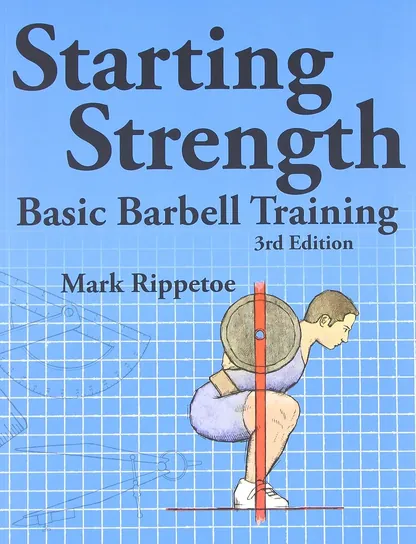
 Starting Strength
$21
-
2
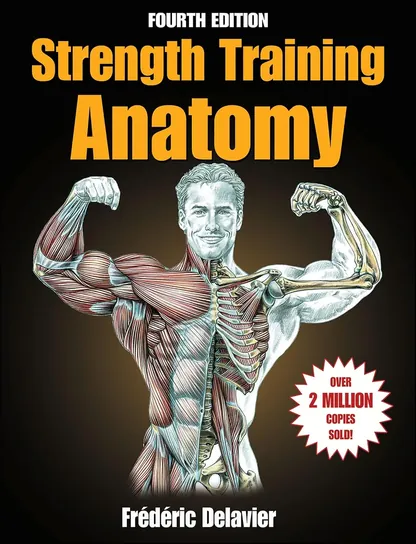
 Strength Training Anatomy
$17
-
3
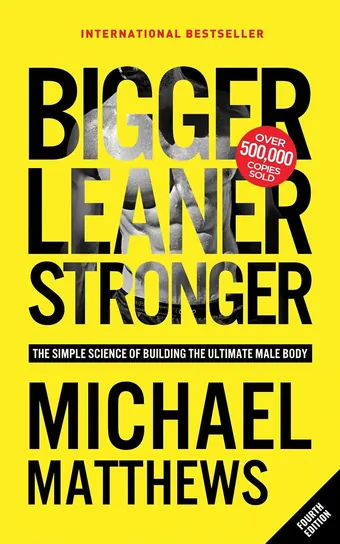
 Bigger Leaner Stronger
$19
-
4
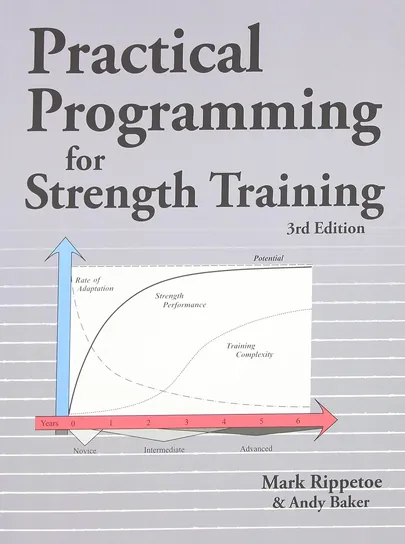
 Practical Programming for Strength Training
$24
-
5
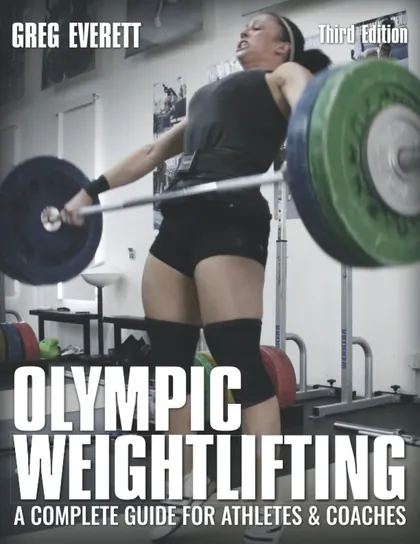
 Olympic Weightlifting
$44
-
6
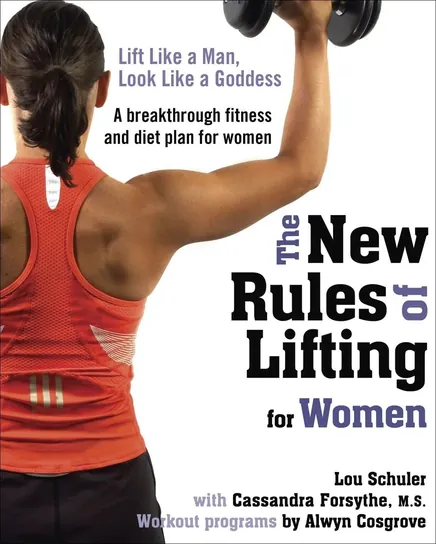
 The New Rules of Lifting for Women
$10
-
7
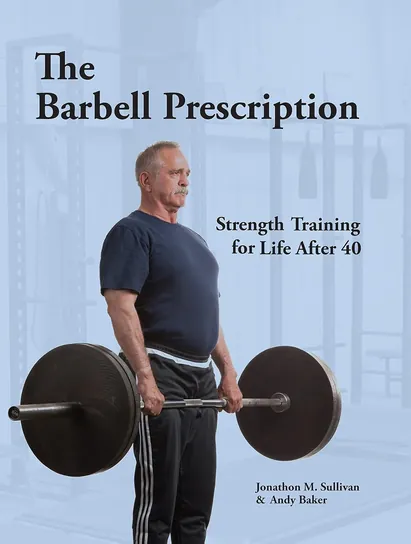
 The Barbell Prescription
$26
-
8
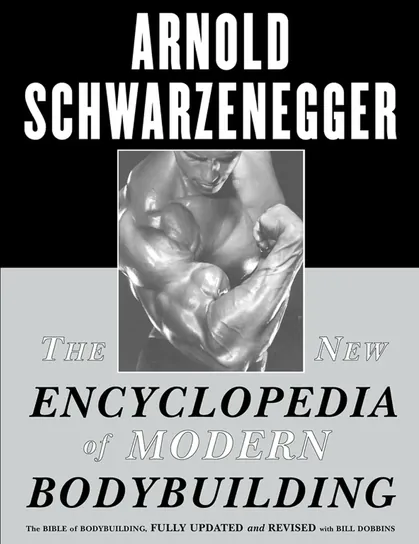
 New Encyclopedia of Modern Bodybuilding
$28
-
9
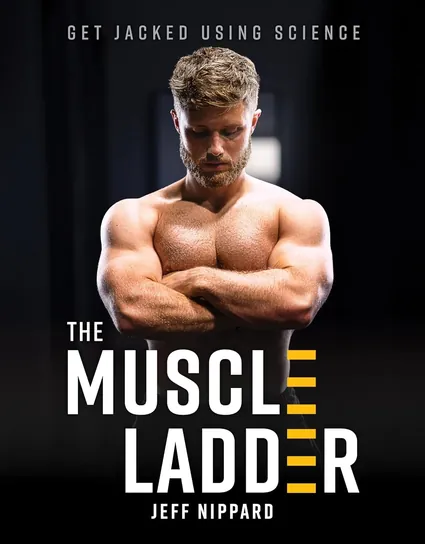
 The Muscle Ladder
$48
-
10
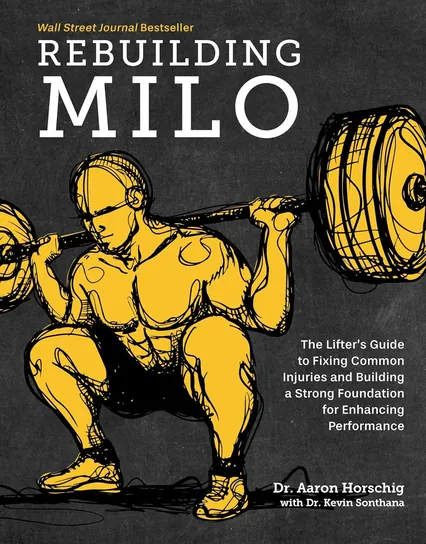
 Rebuilding Milo
$45
Editor's Notes
November 1, 2026, by Ezvid Wiki Admin:
Starting Strength now leads, since it does what a new lifter needs most: it teaches the squat, deadlift, press, bench press and power clean in detail and hands you a plan to go with them. We sorted every candidate by what it actually teaches, using publishers' descriptions, tables of contents and sample pages, and we checked that each title is in its current edition and still in print.
Three books left the list. You Are Your Own Gym and Overcoming Gravity are good, but they are about bodyweight training, not weights. Jim Stoppani's Encyclopedia of Muscle & Strength covers ground the anatomy and bodybuilding picks already handle, and copies are getting scarce. Strength Training Anatomy is now listed in its fourth edition.
Three new picks fill gaps readers ask about. The Barbell Prescription is for people starting after 40, Rebuilding Milo is for lifters working around pain, and The Muscle Ladder is a newer, research-minded plan for building muscle.
March 31, 2020:
Weightlifting books come in many different formats, some of which are ideal for coaches and competitive lifters, and others that are ideal for the average person trying to slim down or add a few pounds of lean muscle mass. We made sure to include all kinds on this list to ensure there is at least one or two options to fit every need.
Many people mistakenly believe that you need to have a costly fitness facility membership or a fully-equipped home gym to get into better shape, but You Are Your Own Gym and Overcoming Gravity prove that isn't the case. Both of these books outline exercise and training programs you can do with nothing more than your own body weight. You may want to buy a chin-up bar or dip station to enhance your results and allow for more exercise versatility and variations, but neither of these pieces of equipment is very costly nor required.
For serious lifters and coaches who are interested in the technical side of things, including the mechanics behind common exercises, we recommend Strength Training Anatomy, Olympic Weightlifting, New Encyclopedia of Modern Bodybuilding, Starting Strength, and Practical Programming for Strength Training. While these can certainly also be helpful for the average gym goer looking to put together a more effective training program for themselves, we believe they are best suited to people who want to gain advanced knowledge of how our bodies work and the science of why certain exercises produce the results they do.
If you are looking for a comprehensive book written for the average person that covers everything from nutrition to exercise programs, and which gives scientific data to back up that information, we think Bigger Leaner Stronger is one of the best bets. Not only will it provide you with a step-by-step action plan, but it is also motivational and an engaging read. The New Rules of Lifting for Women is a similar option, but aimed specifically to female readers and with less focus on the scientific reasoning behind the information.
Special Honors
Catalyst Athletics Greg Everett's Olympic weightlifting company publishes his book and posts hundreds of free exercise demonstration videos and articles on the snatch, the clean and jerk and their accessory lifts. It's a useful companion to any book on the Olympic lifts. catalystathletics.com
USA Weightlifting The national governing body for Olympic weightlifting in the U.S. runs a club finder and a coach directory, the quickest way to find someone who can watch your technique in person. usaweightlifting.org
Weightlifting, Powerlifting Or Bodybuilding?
Bodybuilding judges how the muscles look, not how much the lifter moves.
The word covers more than one sport. In competition, weightlifting means the snatch and the clean and jerk, the two Olympic lifts, and USA Weightlifting runs the sport in the U.S. Powerlifting tests the squat, bench press and deadlift. Bodybuilding judges how the muscles look, not how much the lifter moves.
Most people who search for weightlifting books mean general strength training, and that is where most of this list sits. Starting Strength and Practical Programming come from the barbell-strength tradition of Mark Rippetoe, a former powerlifter. Olympic Weightlifting is the one book here about the snatch and clean and jerk, and The New Encyclopedia of Modern Bodybuilding and The Muscle Ladder focus on building muscle size. Pick the sport first, then the book.
Match The Book To Your Stage
A beginner needs one clear program, not an encyclopedia. The first months of lifting bring quick progress from a simple plan, and a book like Starting Strength is built around that idea: a few lifts, a little more weight each session. When those gains slow, a programming book that explains heavy and light days becomes more useful than another technique guide.
If your goal is health rather than a bigger total, the bar is lower than many people think. The CDC's guidelines for adults call for muscle-strengthening work at least two days a week that hits the legs, hips, back, abdomen, chest, shoulders and arms. Any program in these books clears that bar.
Editions matter too. Buy the current one: Starting Strength is in its third edition, and Human Kinetics lists Strength Training Anatomy in a fourth edition with more than 200 exercises. Older copies teach the same lifts but miss later revisions.
What A Book Can't Do
A book can explain a lift, but it can't watch you do it. Film your sets from the side and compare them with the photos and drawings, or get a coach to look for the first few weeks. For the Olympic lifts this matters most, because they are fast and hard to judge from the inside. USA Weightlifting keeps a coach directory and a club finder, and Catalyst Athletics, Greg Everett's company, posts free exercise videos and articles.
Safety basics apply to every program. Use safety pins or a spotter on the bench and the squat, and add weight in small steps. Injuries in lifting show up most often in the lower back, knees and shoulders. If you have heart, blood pressure or joint problems, talk to a doctor before you start, and see a clinician for pain that is sharp or doesn't fade. Physical therapist Aaron Horschig's Squat University covers common lifting aches in more depth.
How we researched this
We compared 18 books on lifting weights, checked the edition, publisher, page count and print status of the 10 finalists, read their publishers' descriptions, tables of contents and sample pages where available, and weighed how lifters describe using them over time. Books carry no recalls, so no safety check applied. Updated November 1, 2026 by Ezvid Wiki Admin.
Frequently asked questions
What is the best weightlifting book for beginners?
Starting Strength is the usual starting point. It teaches five barbell lifts in detail and gives a simple plan: add a little weight each session until progress slows.
Is weightlifting the same as lifting weights?
Not quite. In sport, weightlifting means the snatch and the clean and jerk. Powerlifting is the squat, bench press and deadlift, and bodybuilding is about how muscles look. Most people use the word for general strength training.
Can you learn the snatch and clean and jerk from a book?
A book like Greg Everett's Olympic Weightlifting can teach the steps, but these lifts are fast and technical. Film your lifts or work with a coach, at least at the start.
Is there a good weightlifting book for women?
The New Rules of Lifting for Women gives a staged plan written for women. Its training holds up well, though the diet chapters are dated. The other strength books here work just as well for women.
Is it too late to start lifting after 40?
No. The Barbell Prescription was written for that reader, with plans that allow more recovery. Check with a doctor first if you have heart, blood pressure or joint problems.
Which edition should I buy?
Buy the current one. Starting Strength is in its third edition, Strength Training Anatomy in its fourth and Bigger Leaner Stronger in its fourth.