The 9 Best Yamaha Receivers
Updated by · How we research

Nine current Yamaha AV and stereo receivers compared on speaker count, HDMI, streaming and room tuning. The RX-V6A is the best fit for most living rooms. When users buy our independently chosen editorial selections, we may earn commissions to help fund the Wiki.
Start with your speakers: Yamaha's surround receivers drive from five to eleven of them, and every pair of ceiling speakers for Dolby Atmos uses up two more amplifier channels. The stereo models skip video and HDMI and focus on music, records and streaming. This guide is for anyone matching a Yamaha model to a TV room, theater or hi-fi shelf.


Editor's Notes
October 26, 2026, by Ezvid Wiki Editors:
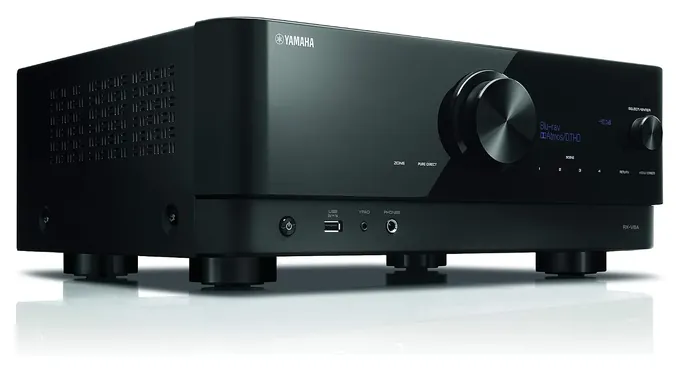
The Yamaha RX-V6A takes the top spot. It was already on this list, Yamaha still sells it, and it runs an Atmos living room with room to spare on inputs. Almost everything else here had left the market: the CX-A5200 preamp, RX-A3080, RX-A2080 and R-N803 are no longer sold new, and the RX-A880 and RX-V485 were replaced years ago. We also dropped the RX-V4A, since early units needed an HDMI board swap and its owner feedback is poor.
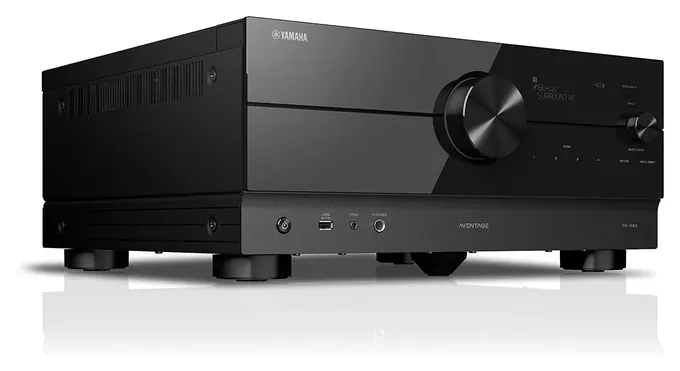
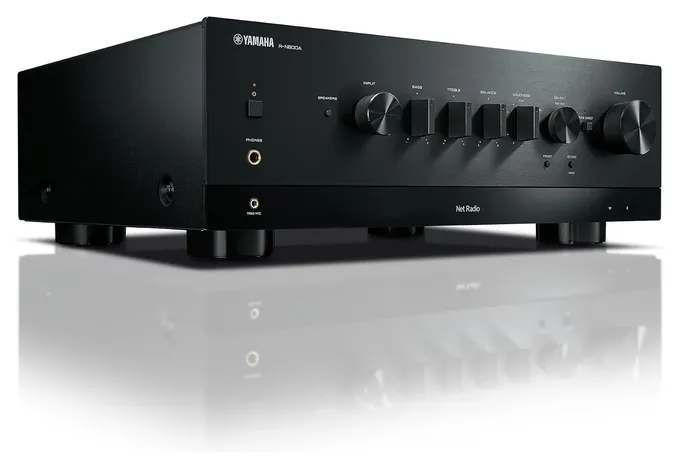
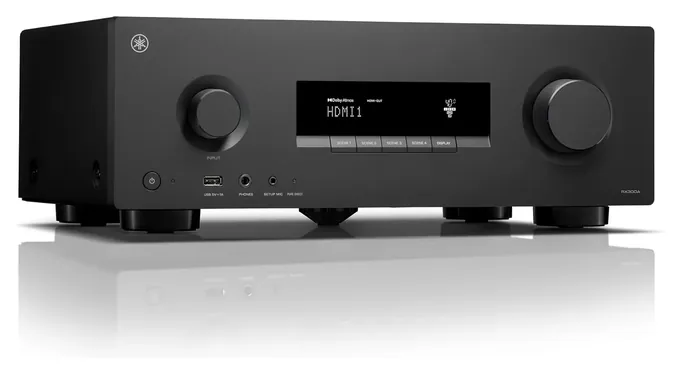
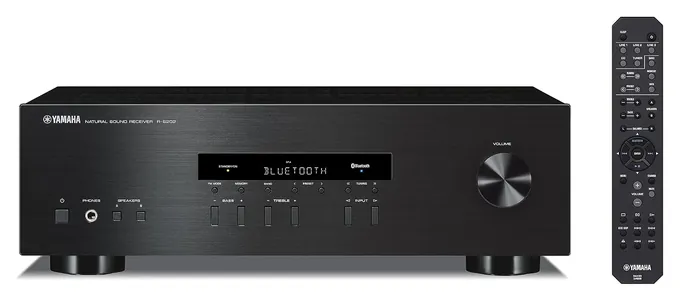
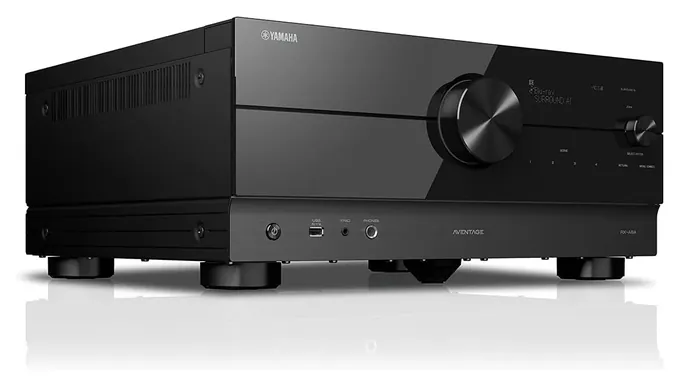
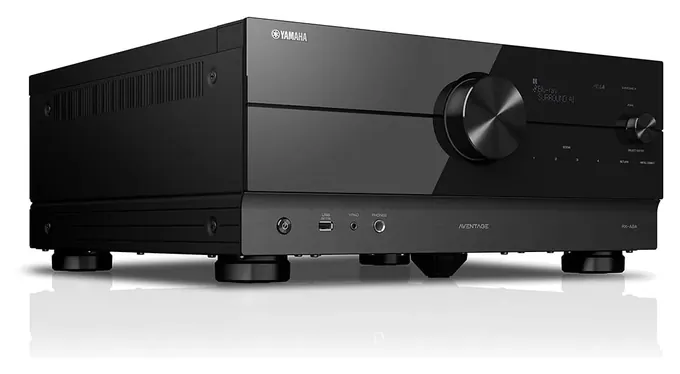
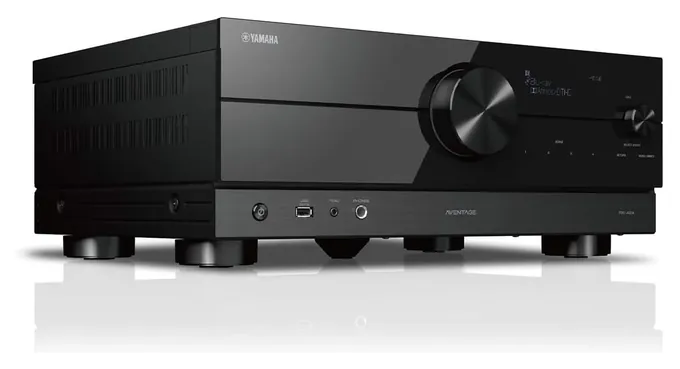
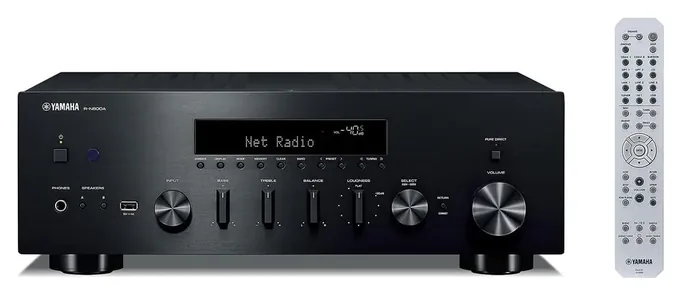
New are four Aventage models, the RX-A2A, RX-A4A, RX-A6A and RX-A8A, which scale from seven to eleven amplifier channels; the RX300A, Yamaha's new starter model; and three stereo receivers, the R-S202, R-N600A and R-N800A, for people who mostly play music.
Some readers ask for the best Yamaha receiver ever made. Forum favorites tend to be 1970s CR-series hi-fi receivers, and those turn up only used, so they aren't ranked here.
The evidence for this category came from full reviews of the Aventage and RX-V6A models by AVNirvana, TheaterCalc and Richer Sounds, Yamaha's own launch release for the RX300A, and owner reports about HDMI glitches and heat. The federal recall database was offline when we checked, so we searched recall news instead and found no receiver recalls.
Earlier notes
October 21, 2020, by Daniel Imperiale:
Cross-referencing with Yamaha's current lineup, we made sure only to include models that are currently on offer from the company, including two new additions to their family of products in the RX-V6A 7.2 AV and the RX-V4A AV. Notably, the V6A took the place of the RX-V685BL AVR included in our previous ranking. That model is still available in the company's lineup, but it's nearly identical in cost to the V6A, and it's bested by the newcomer in power, passthrough functionality, and more.
We also added the CX-A5200 Aventage, which is among Yamaha's most expensive offerings, but that comes with just about everything their Aventage line is known for, including outstanding real-time acoustic equalization made possible by a microphone that actually listens to how its output bounces around your space. It also features a trio of optical inputs that will allow you to draw a surround sound picture from multiple sources.
July 12, 2019, by Christopher Thomas:
Yamaha is one of the most well-known names in consumer multimedia equipment, and for good reason. Their integrated amplifiers and AV receivers are of notably high quality, and they come in a variety of prices, so you should be able to find one that's right for you. If you're willing to shell out a bunch of cash, the Aventage line is worth a look; the 2080 and 3080 are both top-of-the-line devices that boast some of the most advanced features on the market. On the other end of the spectrum, the RX-V385 and RX-V485BL are no slouches when it comes to features like UHD pass-through and versatile music streaming capabilities. Users on a moderate budget who want plenty of bang for their buck should consider the RX-V685BL and RX-A880, which are only a few short steps away from the Aventage line.
If you're not concerned with HDMI pass-through, the A-S701BL, R-S202BL, and R-N803BL are three great models to choose from. They offer reasonable to impressive levels of amplification and are easy to use as well as highly reliable. Because they're focused solely on audio, they're less costly than their all-in-one counterparts.
One of the most interesting features in Yamaha's line is the MusicCast wireless technology. As long as you have compatible speakers, this protocol can make it remarkably easy to set up a multi-room sound system without having to run any wires. You'll have to commit to Yamaha speakers in order to take advantage of it, but as luck would have it, they're pretty good at making those, too.
Special Honors
Yamaha R-N2000A Yamaha's flagship network stereo receiver adds heavier construction and more power to the streaming, phono and room-tuning features of the R-N line. It sits well above the price of the stereo models ranked here, so it's for a dedicated listening room. usa.yamaha.com
Count Your Speakers Before You Count Watts
A 7.2 model has seven amplifier channels and two subwoofer outputs.
A receiver's first number tells you how many speakers it can power. A 7.2 model has seven amplifier channels and two subwoofer outputs. Dolby Atmos adds height speakers, and each one needs its own channel: a 5.1.2 layout (five around you, one subwoofer, two overhead) uses seven channels, and 5.1.4 uses nine. That's why TheaterCalc and AVNirvana both point out that the seven-channel RX-A4A tops out at 5.1.2 unless you add an outside amplifier. Sound & Vision notes the RX-V6A has nine speaker terminals but seven amplifiers, so you pick 7.1 or 5.1.2.
Watts matter less than most buyers think. Yamaha rates its receivers with two channels driven, so the RX-A4A's 110 watts per channel is a stereo figure, and output per channel drops when all seven work at once. Speaker impedance matters more: What Hi-Fi says the RX-V6A wants six-ohm or higher speakers on every channel except the front pair. Check your speakers' rating before you buy.
If you want four ceiling speakers, the RX-A6A (nine channels) and RX-A8A (eleven) do it on their own. Celsus notes both run hot, so leave open space above them and don't box them into a closed cabinet.
HDMI, Gaming And The 2021 Board Fix
Your receiver sits between every source and the TV, so its HDMI ports decide what video gets through. For a PlayStation 5 or Xbox Series X, look for 4K at 120 frames per second; for TV apps, look for eARC, which sends the TV's own sound back down the same cable.
Yamaha's first HDMI 2.1 receivers, including the RX-V4A, RX-V6A and RX-A2A, had a chip fault that broke 4K/120 passthrough with some consoles and graphics cards. Forbes reported in 2021 that Yamaha would swap the HDMI board free for affected owners. Frieve still lists the remedy on the RX-V4A, and Richer Sounds notes the RX-V6A needed firmware updates to unlock its HDMI 2.1 features. The later RX-A4A, RX-A6A and RX-A8A weren't part of that fault. Whatever you buy, run the firmware update during setup.
Count outputs too. The RX-V6A and RX-A2A have one HDMI output, fine for one TV. The RX-A4A and up have three, so a TV and a projector can stay connected. The new RX300A, per Yamaha, passes 4K/120 and supports eARC at a starter price, but it has no Wi-Fi.
Stereo Receivers: When You Don't Need HDMI
Yamaha's R-S and R-N receivers drive two speakers and skip video entirely. They suit a record player, a pair of bookshelf or floor speakers, and streaming from a phone. None has HDMI, so a TV connects by optical cable on the R-N600A and R-N800A, or by analog cable on the R-S202, and the TV remote won't control the volume.
The R-N models stream over Wi-Fi with AirPlay 2 and Yamaha's MusicCast app, which groups Yamaha speakers and receivers around a house. Both have a phono input for a moving-magnet cartridge. The R-N800A adds a USB input that works as a computer DAC and a room-tuning microphone; Frieve scores it well on features, while it rates the R-N600A lower, mostly on value.
The R-S202 is the simple, low-cost option: Bluetooth, AM/FM and two sets of speaker outputs. It has no phono stage, so a turntable without a built-in preamp needs a separate one. Older Yamaha hi-fi receivers, such as the 1970s CR series, are collector items sold used, with the usual risks of aging parts.
How we researched this
We compared 17 Yamaha receivers, current and discontinued, and screened 11 in depth. We read Yamaha's 2026 launch release, full reviews from AVNirvana, TheaterCalc and Richer Sounds, review summaries from What Hi-Fi and Sound & Vision, spec scoring from Frieve, and patterns in owner feedback. The federal recall database was offline when we checked, so we searched recall news and found no receiver recalls; Yamaha's 2021 HDMI board program was a free repair, not a safety recall.
Sources (11)
- Yamaha: RX300A and RX500A launch release
- AVNirvana: Yamaha RX-A4A review
- TheaterCalc: Yamaha RX-A4A review
- What Hi-Fi: Yamaha RX-V6A review
- Richer Sounds: Yamaha RX-V6A review
- Sound & Vision: Yamaha RX-V6A review
- Forbes: Yamaha HDMI 2.1 fix
- Celsus: Yamaha AV receivers
- Frieve: Yamaha R-N800A
- Frieve: Yamaha R-N600A
- Frieve: Yamaha RX-V4A
Frequently asked questions
What's the difference between Yamaha RX-V and Aventage receivers?
RX-V is Yamaha's value line. Aventage (model names starting RX-A) adds heavier construction, better room tuning on most models and, from the RX-A4A up, three HDMI outputs and more amplifier channels.
Which Yamaha receiver is best for Dolby Atmos?
For two ceiling speakers (5.1.2), the RX-V6A or RX-A4A. For four (5.1.4), the RX-A6A. For 7.1.4, the RX-A8A. The RX300A plays Atmos on a five-speaker system without height speakers.
Can a Yamaha stereo receiver connect to a TV?
Yes, but not by HDMI. The R-N600A and R-N800A take the TV's optical output; the R-S202 needs an analog cable. You'll use the receiver's remote for volume.
How do Yamaha receiver model numbers work by year?
Names ending in 80 or 85 (RX-A3080, RX-V485) are 2018 models. Names ending in A (RX-V6A, RX-A4A) arrived in 2020 and 2021. The RX300A and RX500A launched in 2026.
What is the best Yamaha receiver ever made?
Collectors often name 1970s CR-series hi-fi receivers. They're sold only used, so check for service history and worn controls.