The 9 Best Ballet Shoes For Girls
Updated by · How we research

Full-sole leather, split-sole canvas and satin ballet slippers for toddlers and girls, compared on fit and sizing. For a first class, get the Capezio Daisy 205. When users buy our independently chosen editorial picks, we may earn commissions to help fund the Wiki.
Ballet shoe sizes don't follow street sizes, and each brand runs its own way: one says order a size up, another says start more than two sizes down. So the maker's chart, plus a look at the studio's rules on color and sole, comes first. This list is for parents buying a first or next pair for a young dancer.


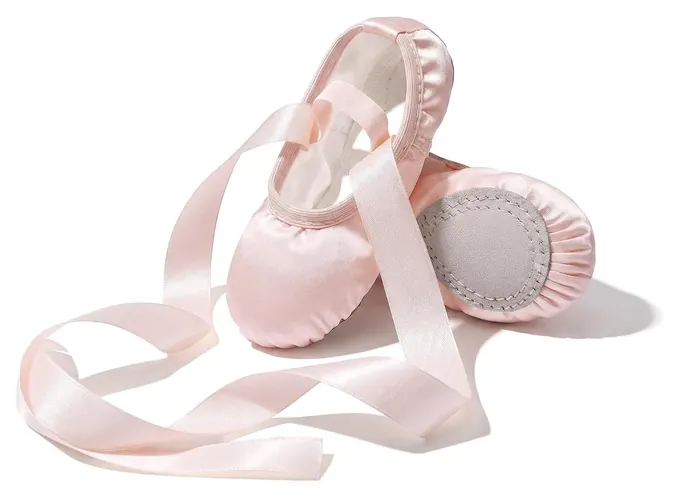
Editor's Notes
October 23, 2026, by Ezvid Wiki Admin:
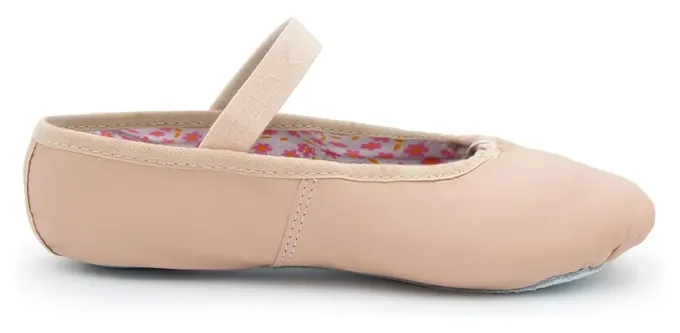
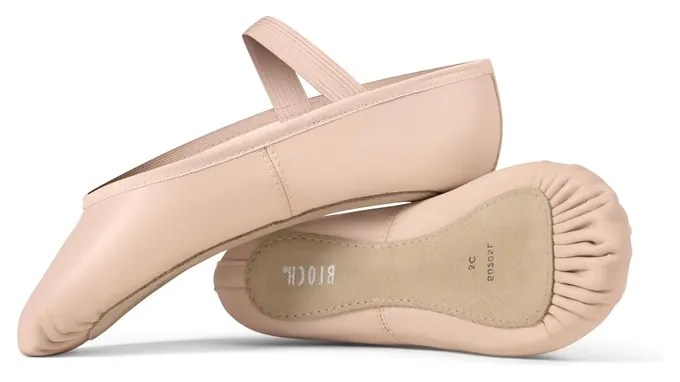
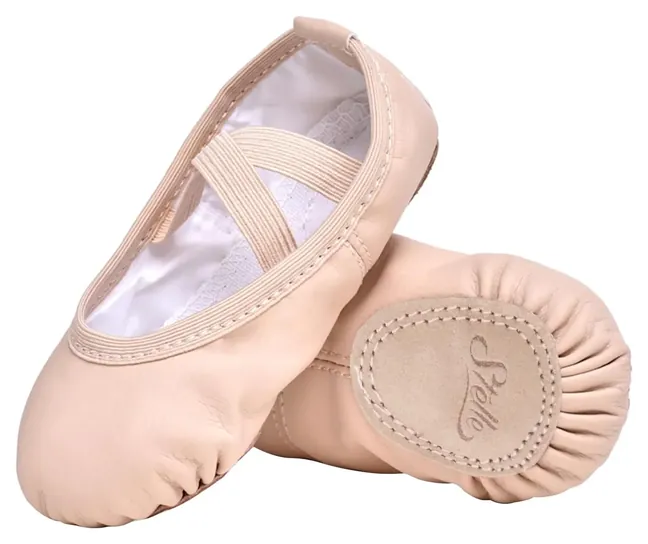
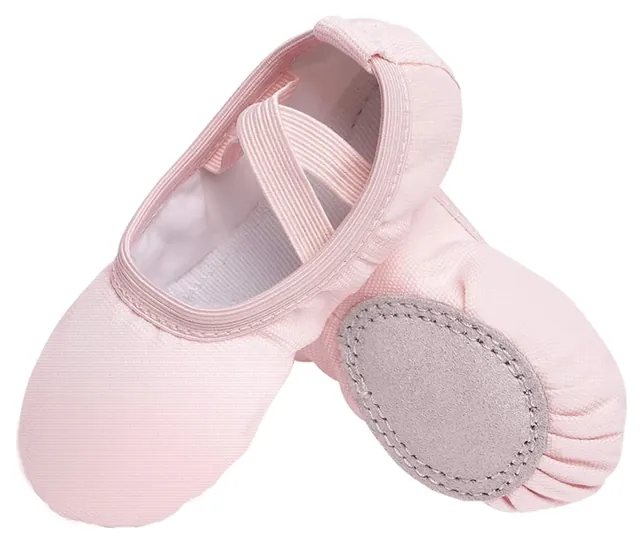
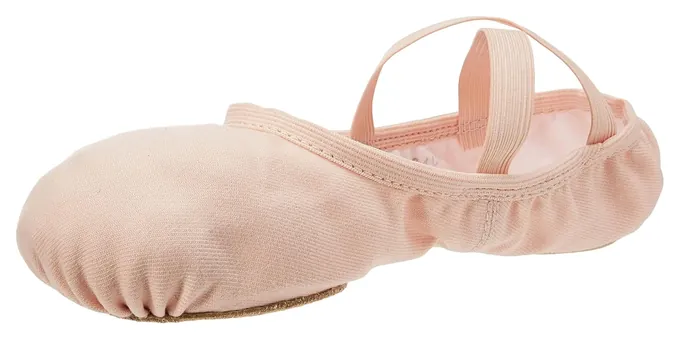
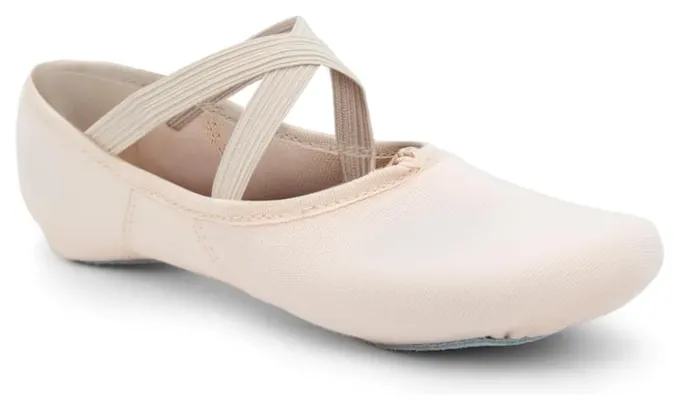
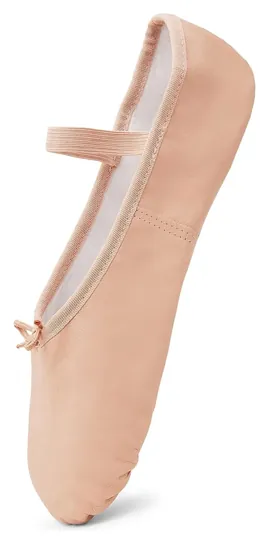
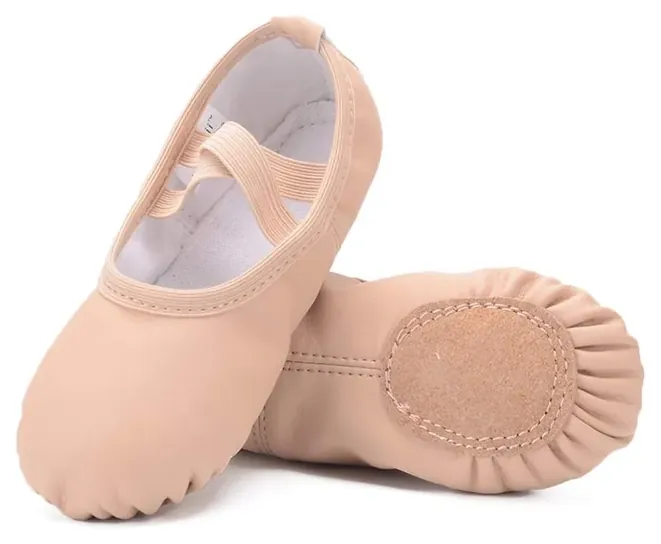
The Capezio Daisy 205 stays on top. It's the soft, full-sole leather shoe most preschool studios ask for, and it rarely costs much. We added two popular Stelle shoes, the Stelle Split Sole Slipper and the Stelle Canvas Slipper, and the Capezio Canvas Juliet moved up from a special honor. The Bloch Dansoft and Bloch Performa now point to girls' sizes; the old Performa link went to a women's shoe.
The Stelle Girls Slipper and Capezio Love Ballet Flat aren't sold anymore, the second Ruqiji was a copy of the first, and the MsMax glitter flat is a party shoe, so all four are gone. One surprise: the Stelle split-sole shoe has leather in its name, but the seller's own details describe a polyurethane upper, with suede only on the sole.
For evidence we leaned on each maker's size chart and material details, a dance parent's guide to class shoes, a dance-shoe roundup and what parents report after a season of lessons. Ask the studio before you buy. Many teachers have firm rules on color and sole.
May 17, 2020:
When your young one begins taking dance classes, you want to make sure they are as comfortable and confident as they can be. Finding the best possible ballet shoes for your tiny dancer is important for their development in ballet, jazz, and other dance classes. Kids of all ages and backgrounds can enjoy ballet, from those who enjoy playing with dolls to riding four wheelers. This dance style is great for almost any child since it helps them learn proper posture, attain higher flexibility, and meet new friends. We've listed a wide range of selections that will suit their needs, and prove to be a wise investment for months or years to come, depending on how often they outgrow their shoes.
The Capezio Daisy 205 and Bloch Dansoft are both high-quality options that are made of leather and have durable outer soles to provide proper floor grip when moving across the floor. The Capezio has a single sole that is great for beginners since it offers more resistance on the floor which helps build muscle. The Bloch is better for more experienced dancers because of its split sole that offers less resistance on the floor to perform more advanced movements such as double or triple pirouettes. Both brands are very popular options among the dance community and are known for being an affordable, trusted brand.
The Stelle Gymnastic Flats are a great, whimsical option that creates a similar appearance to pointe shoes used by ballet dancers in performances such as Swan Lake and The Nutcracker. Little ones who are fond of shiny objects should fancy the MsMax Ballet Shoe. It consists of a glitter fabric construction that shimmers well, however, the sparkles tend to fall off easily. If that's not too much of an issue, it is likely that young children will enjoy wearing this option.
The drawstrings and buttons on some of these models, no matter how well they're sewn on, could break or fall off over time. It can pose a choking hazard for young children, so take caution before purchasing the right selections.
Special Honors
Capezio Leather Juliet Capezio's Leather Juliet is the leather version of the split-sole Juliet, made in child sizes and sold on the maker's own site along with its other children's ballet shoes. It suits a dancer whose teacher wants leather and a split sole, and it costs more than the canvas Juliet on our list. capezio.com
Full Sole Or Split Sole, Leather Or Canvas
It adds a little resistance, which helps young feet build strength, and it's what most studios want for preschool and first-year classes.
Start with the sole. A full sole runs suede under the whole foot. It adds a little resistance, which helps young feet build strength, and it's what most studios want for preschool and first-year classes. A split sole has two suede patches, one under the ball and one under the heel, so the arch shows when the foot points. Teachers usually move dancers to split soles once their feet are stronger. The Dance Parent 101 guide to class shoes recommends checking with the teacher before buying either kind.
Then pick the upper. Leather lasts longer and molds to the foot over a few weeks, but it's hard to clean. Canvas costs less, can be washed, and fits closely from day one, though it loosens with wear and can start to slip. Synthetic uppers such as polyurethane look like leather but don't stretch the same way, so the first fit is the fit you keep. Satin and glitter shoes are for dress-up and recitals, not for class.
Most makers sell children's shoes in a light ballet pink, and some studios ask for black, white or a shade that matches the skin. Capezio's children's ballet shoes show the full-sole Daisy next to split-sole canvas and leather styles, which makes the difference easy to see.
Getting The Size Right
Ballet slippers should fit like a snug sock, with toes flat and no room to grow. Extra length makes the shoe bunch and wrinkle under the foot, and it can catch on the floor. Measure the foot in the evening, heel to the longest toe, with the tights she'll wear in class, and compare that length with the maker's chart rather than a street size.
Brands disagree on where to start, sometimes by several sizes. Capezio suggests going a size or a half size up for the Daisy and the Juliet. Bloch publishes its own chart and tells buyers of the Performa to start about two and a half sizes below street size. Theatricals says to go one size smaller. The Dancer Deals beginner roundup also warns against sizing a Bloch shoe from a Capezio chart.
Let her wear a new pair around the house on carpet first. Leather gives a little over the first few classes; canvas and synthetics stay about the same. If the heel slips out when she rises onto her toes, the shoe is too big. Most young dancers outgrow a pair before they wear it out, so plan on a new pair every season or two.
Elastics, Drawstrings, Care And Safety
Most children's ballet shoes come with elastic already sewn on, either one strap across the top or two crossed straps. Crossed straps hold a little better and let toddlers pull the shoe on alone. Drawstrings let you snug the opening, but the loose ends should be tied, trimmed and tucked inside so they don't trip anyone or end up in a small child's mouth. The Dance Parent 101 guide also suggests adding a name inside every pair, since studio shoes look alike.
Keep ballet shoes for indoor floors. Suede soles pick up grit and water outside, and they turn slippery once they're wet. Canvas can be hand washed and air dried; wipe leather and synthetic uppers with a damp cloth and let them dry away from heat so they don't shrink or crack.
In the U.S., shoes made for children 12 and under count as children's products. They must meet lead limits, be tested by a lab the CPSC accepts and come with a Children's Product Certificate. A search of CPSC recalls turned up none for Capezio, Bloch, Stelle, Theatricals or ballet shoes in general.
How we researched this
We compared 16 ballet shoes for girls and toddlers, read each maker's or seller's material details, sizing advice and size charts, used a dance parent's guide and a beginner shoe roundup for what teachers expect, looked at patterns in parents' feedback after months of classes, and searched U.S. Consumer Product Safety Commission recalls for every brand. We found no lab or side-by-side test of children's ballet shoes.
Frequently asked questions
What are the best ballet shoes for a 3-year-old?
A full-sole shoe with elastic already attached, in the color the studio asks for. The Capezio Daisy 205 is the usual choice, and the Stelle Split Sole Slipper suits toddlers who want to put shoes on alone, if the studio allows split soles.
Stelle or Capezio: which is better?
Capezio is a long-running dance brand, and its Daisy has a real leather upper and a full sole. Stelle costs less and is easy for small children to put on, but its split-sole slipper has a polyurethane upper. For a first class that requires leather and a full sole, pick Capezio.
Should a beginner wear full-sole or split-sole ballet shoes?
Most teachers start young beginners in full soles, which build foot strength. Split soles come later, when the feet are stronger and the teacher wants the arch to show. Ask the studio first.
Leather or canvas ballet shoes for kids?
Leather lasts longer and molds to the foot but is hard to clean. Canvas is cheaper and washable, but it loosens with wear. Either works for class if it fits snugly.
What size ballet shoes should I buy?
Measure the foot and use the maker's chart, not a street size. Brands differ: Capezio often suggests going up, while Bloch and Theatricals suggest going down. The shoe should fit like a snug sock.
Can kids wear ballet shoes outside?
It's best not to. Suede soles wear quickly on pavement, pick up dirt that scuffs studio floors, and get slippery when wet.